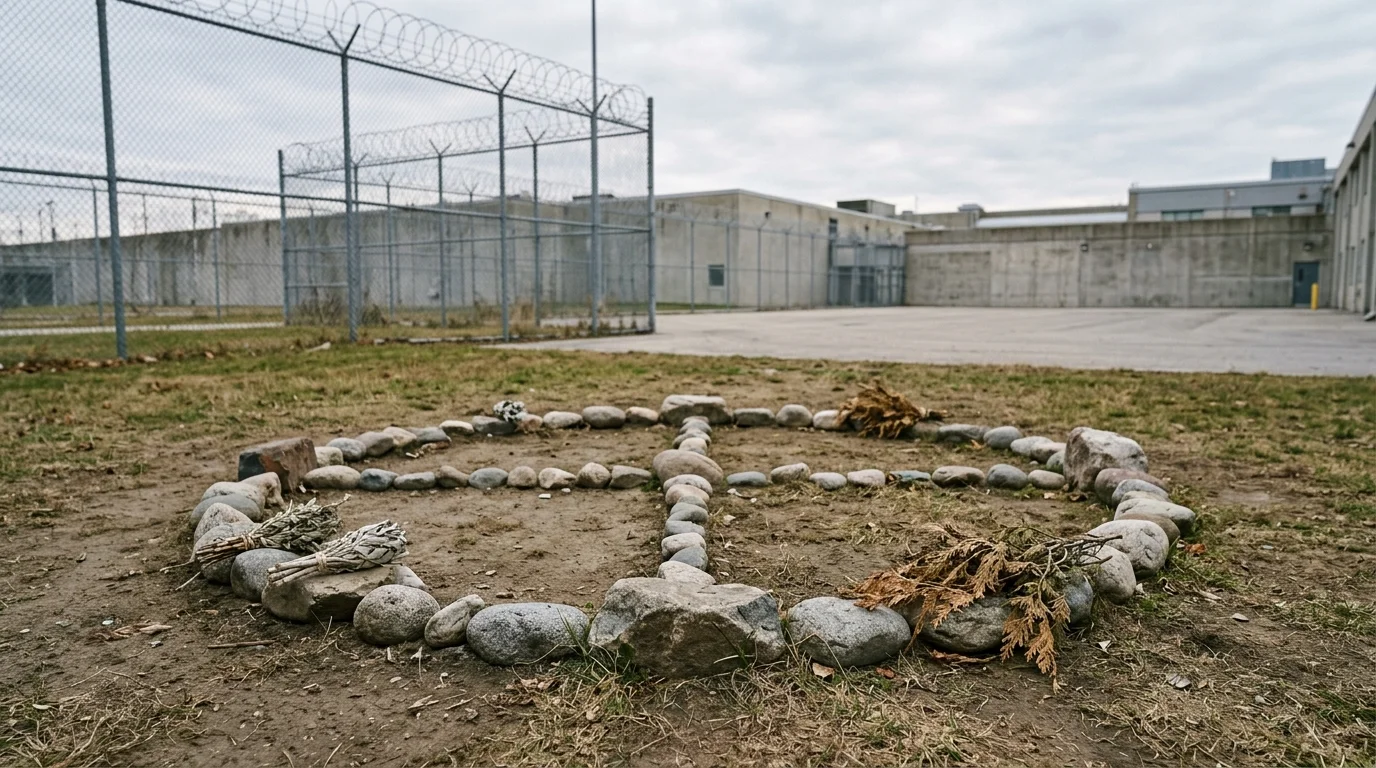
A medium-security federal prison in Bath, Ontario is moving to build a dedicated Indigenous Cultural Centre, a concrete step that advocates have pushed Correctional Service Canada to take for decades as Indigenous inmates have remained dramatically overrepresented behind bars.
Indigenous people account for roughly 32% of Canada's federal prison population despite making up about 5% of the general population, a disparity the Office of the Correctional Investigator has called a national travesty. Bath Institution, part of a dense cluster of federal correctional facilities near Kingston, houses men serving federal sentences, many of them Indigenous and many serving time far from their home communities and cultural traditions.
The legal and moral case for doing something has long been settled. The 1996 Corrections and Conditional Release Act required CSC to incorporate Indigenous culture into its programming. The Supreme Court's 1999 Gladue decision, reinforced in 2012 by Ipeelee, required correctional authorities to account for the unique circumstances of Indigenous offenders. The Truth and Reconciliation Commission's 2015 Calls to Action explicitly demanded an end to overrepresentation and the expansion of culturally appropriate programming inside institutions. Auditor General reports in 2016 and 2022 found CSC was still falling short on these commitments.
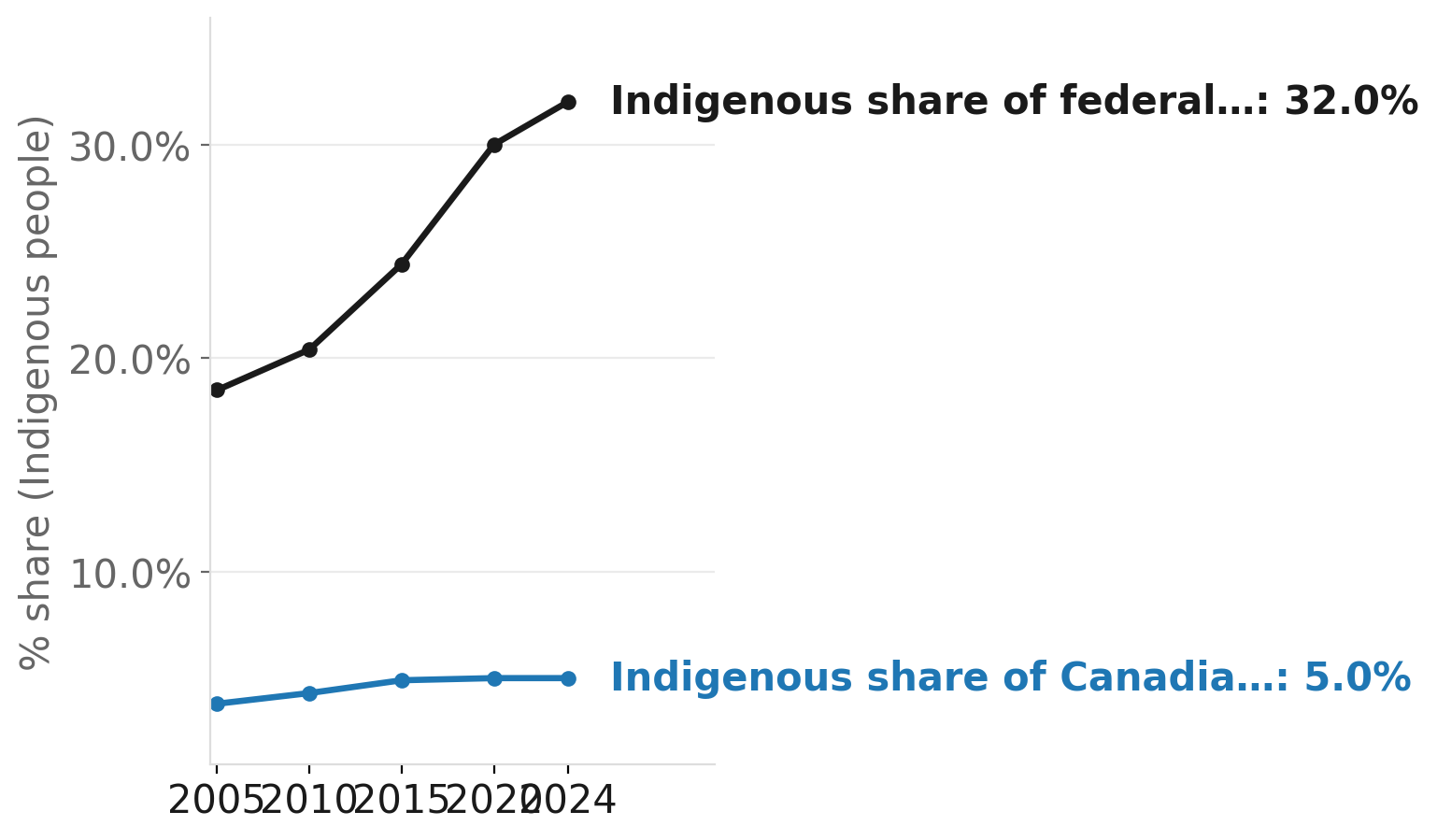
Source: NationGraph.
A Cultural Centre at Bath would need to serve an Indigenous population that is itself diverse. Inmates at Bath come from Anishinaabe, Haudenosaunee, Cree, and other nations from across the country, often with distinct traditions and practices. The local First Nations with territorial ties to the Bath area include the Mohawks of the Bay of Quinte at Tyendinaga, and whether those communities have been consulted in the design of the facility is an open question the public record does not yet answer.
The tender for the project was posted Sept. 23, 2026 through CanadaBuys, the federal procurement portal. Budget figures and the full scope of the build are not yet public from the summary available.
Whether a physical building changes outcomes for Indigenous inmates depends heavily on what programming it houses and who delivers it. Separately operated healing lodges under Section 81 of the Corrections and Conditional Release Act, such as Waseskun in Quebec and Buffalo Sage in Alberta, offer Indigenous-run alternatives outside mainstream institutions. An in-prison cultural centre is a different model, serving men who remain in the general population. How Bath's centre will be staffed, which Elders or communities will shape its programming, and how it fits into release planning for inmates remain the details that will determine whether this is a meaningful shift or another unfulfilled promise.