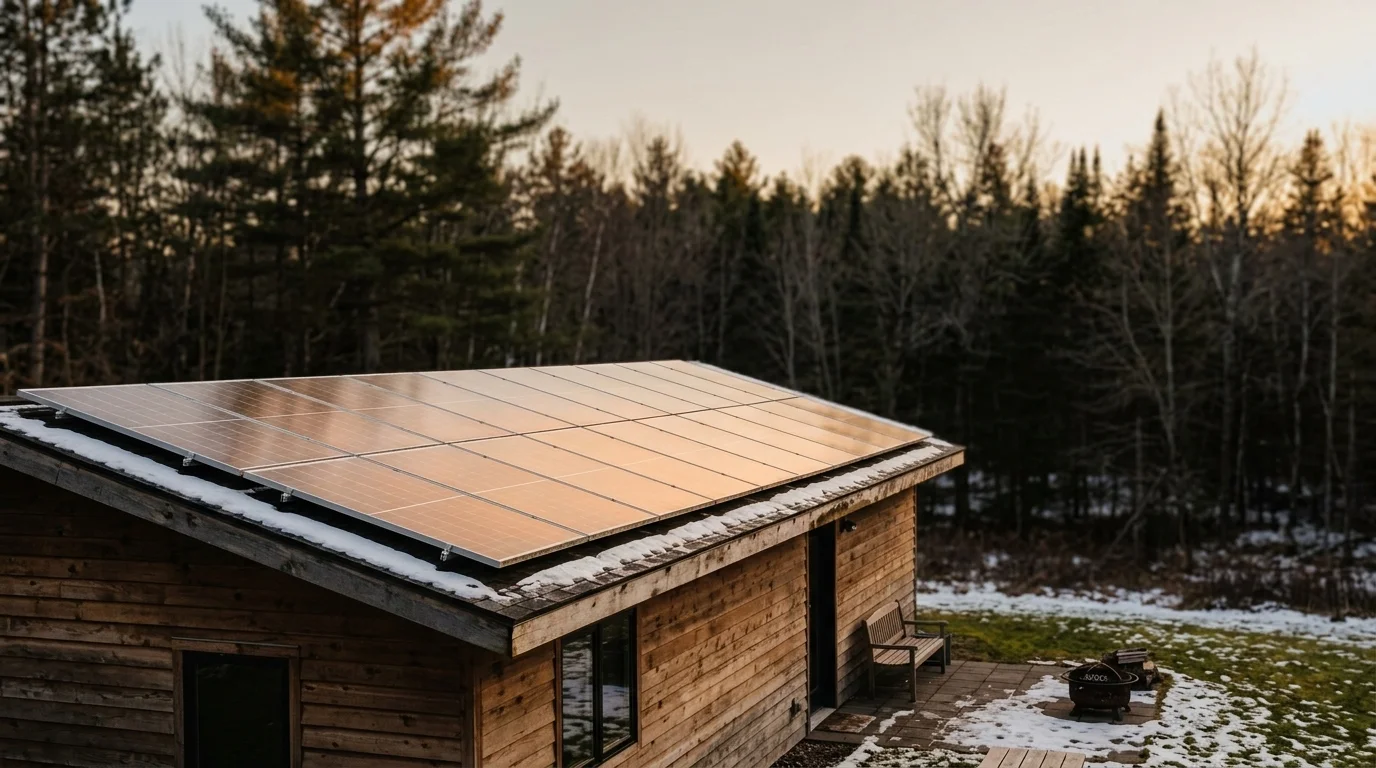
The Bad River Band of Lake Superior Chippewa is installing solar panels on homes across its northern Wisconsin reservation, turning years of fossil-fuel resistance into a tangible transition for tribal members who face some of the region's highest energy costs.
The tribe, headquartered in Odanah along Lake Superior's south shore, is seeking contractors for the residential solar installations through a solicitation posted on the tribe's website. The number of homes, total budget and funding source were not disclosed in the posting; the tribe's planning or housing department would have those details.
For the Bad River Band, the project carries weight beyond utility bills. The tribe spent a decade fighting Enbridge's Line 5 oil pipeline, which crosses their 124,000-acre reservation, and in 2023 won a federal court order requiring its removal. Chairman Robert Blanchard has framed the tribe's future around energy independence and environmental protection, and rooftop solar is a concrete step in that direction.
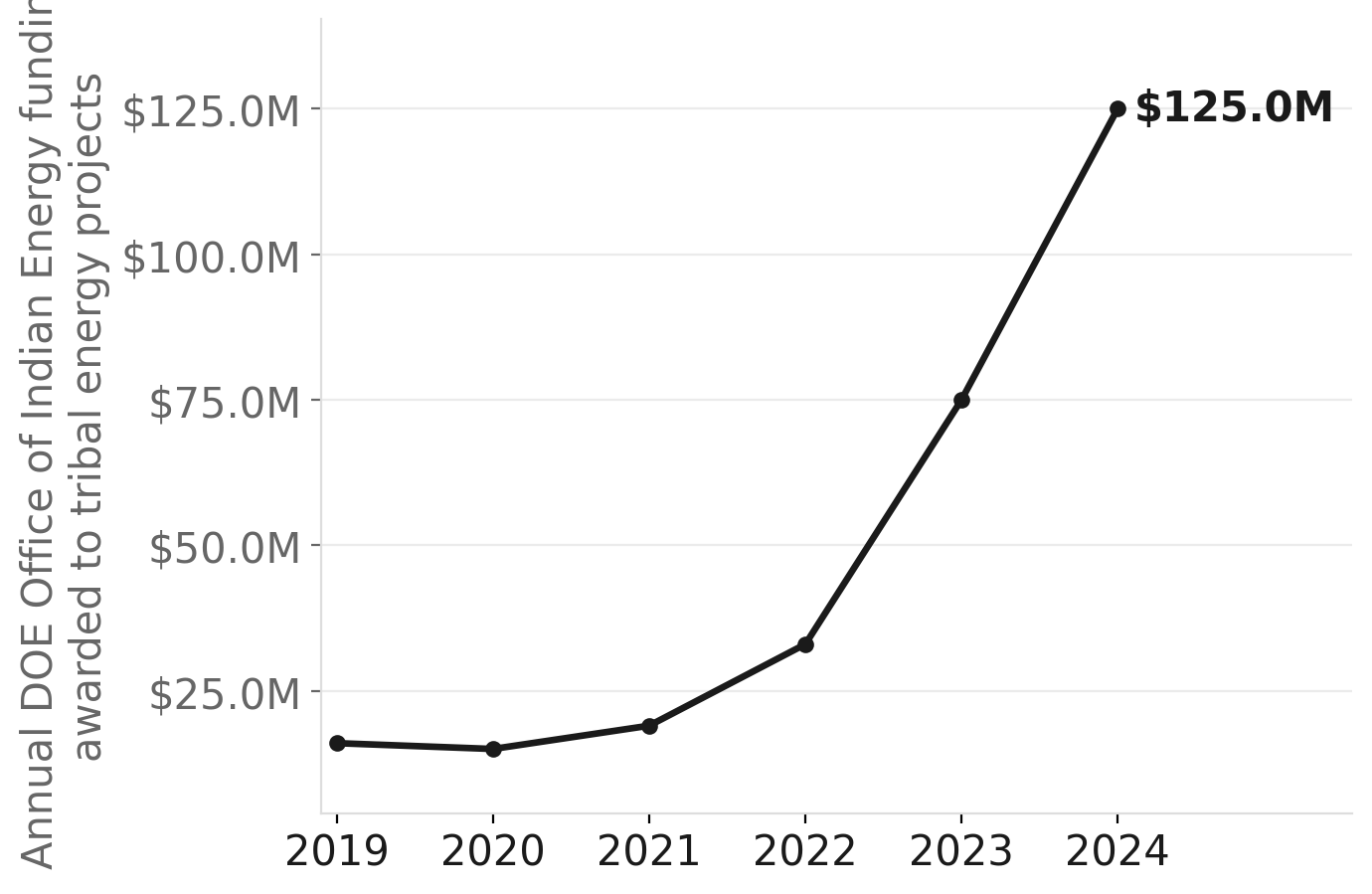
Source: NationGraph.
The economics of that step changed significantly in 2022, when the Inflation Reduction Act made federally recognized tribes eligible for direct cash payments equivalent to the 30% Investment Tax Credit for clean energy projects. Previously, tribes couldn't use the credit because they don't pay federal income tax. That change made residential solar on reservations financially viable in a way it hadn't been before.
The need is real in Ashland County. Poverty rates on the Bad River reservation exceed 25%, and winters in this remote, heavily forested region are long and brutal. Tribal households relying on propane and electric heat spend a disproportionate share of their income keeping warm. Solar won't eliminate heating bills, but it can offset electricity costs year-round.
The Bad River Band has received Department of Energy tribal energy planning grants in prior years, suggesting this installation phase may be the execution of a longer-term plan rather than a standalone effort. Federal programs including DOE's Office of Indian Energy and the EPA's $7 billion Solar for All initiative have been active sources of tribal solar funding.
The tribe has not announced a timeline for when installations would begin or how many homes are in the initial phase.