Attleboro, Massachusetts is hiring a contractor to clear invasive water chestnuts from Luther Reservoir, the 18-acre surface water supply that the city of roughly 46,000 people depends on for drinking water.
The plant, Trapa natans, forms dense floating mats that block sunlight and strip oxygen from the water below. In a drinking water reservoir, the problem compounds: decomposing plants increase the organic load that water treatment must handle, and thick mats can trigger the release of phosphorus and metals from sediments. Left unchecked, the infestations threaten the quality of Attleboro's raw water before it ever reaches a treatment plant.
The species has been spreading across New England for more than 150 years, tracing back to an ornamental planting at a Cambridge botanical garden around 1859. Massachusetts has been managing it in rivers and reservoirs ever since. Attleboro sits in Bristol County's flat, pond-rich landscape, exactly the kind of slow-moving, nutrient-rich water where water chestnut thrives. Warming temperatures and longer growing seasons are widening the plant's foothold across the region.
Source: NationGraph.
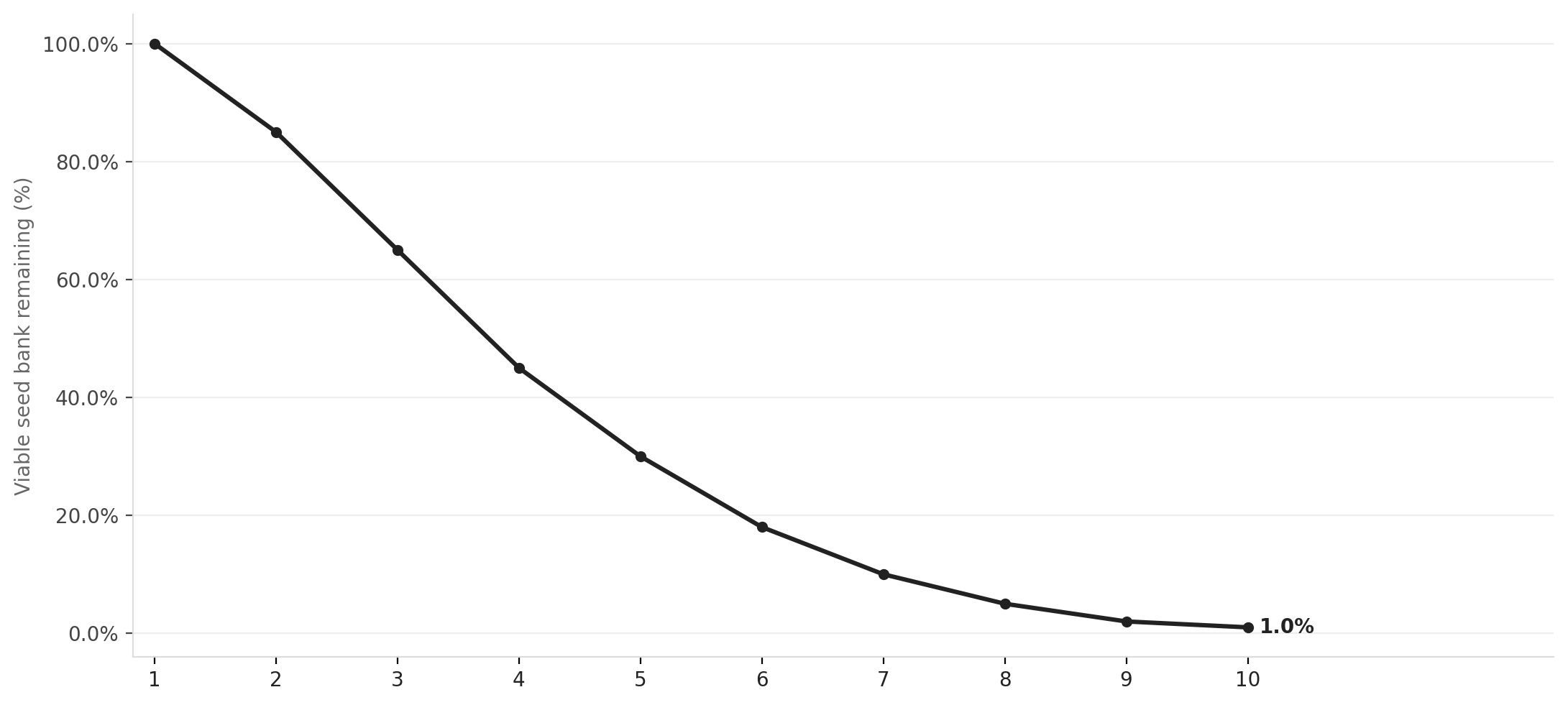
Removal options are limited. Herbicide use is heavily restricted in Massachusetts drinking water supplies under state and federal law, leaving mechanical harvesting, essentially cutting and collecting the floating mats, as the primary tool. The catch is that water chestnut produces seeds that can lie dormant in sediment for up to 12 years. A single missed summer can undo years of gains, meaning the work has to be repeated every growing season until the seed bank is exhausted.
Unlike communities served by the Massachusetts Water Resources Authority's large regional system, Attleboro manages its own source water independently, making Luther Reservoir a direct and unshared responsibility for local taxpayers.
The city has posted a bid request for the removal work, with harvesting typically carried out between June and August when the plants are visible and accessible. How long the infestation has persisted at Luther Reservoir and what it has cost the city in prior seasons was not detailed in the filing.