Manatee County, Florida is pushing forward on one of its most ambitious water infrastructure programs in years, moving to expand drinking water treatment capacity, grow its wastewater system, and replace aging pipes that engineers have long flagged as a catastrophic failure risk.
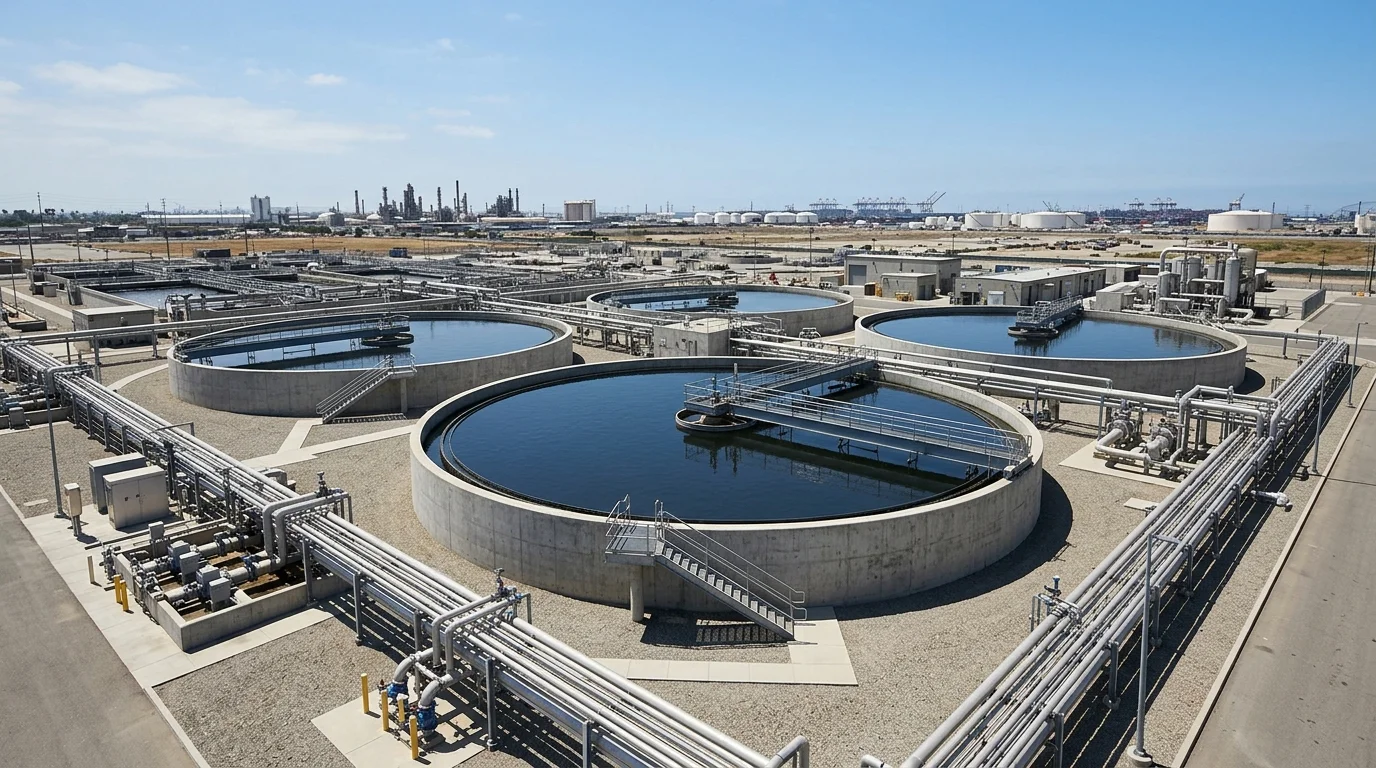
The county is hiring engineers to design four interconnected projects: an expansion of the Lake Manatee Water Treatment Plant, a capacity increase at the North Regional Water Reclamation Facility to 12.5 million gallons per day, replacement and rehabilitation of Prestressed Concrete Cylinder Pipe (PCCP) transmission lines, and a set of pipeline resiliency improvements. The solicitation was posted June 3.
The pressure behind all four projects comes from the same place: Manatee County has been growing faster than its infrastructure can keep up. The county's population has surpassed 420,000 and keeps climbing, fueled by migration from the Northeast and Midwest, retiree relocation, and pandemic-era moves. New master-planned communities in the county's northern and eastern corridors have pushed wastewater flows in the North Regional service area toward the limits of what the existing facility can handle. Expanding it to 12.5 million gallons per day is a direct response to projected demand from development already underway.
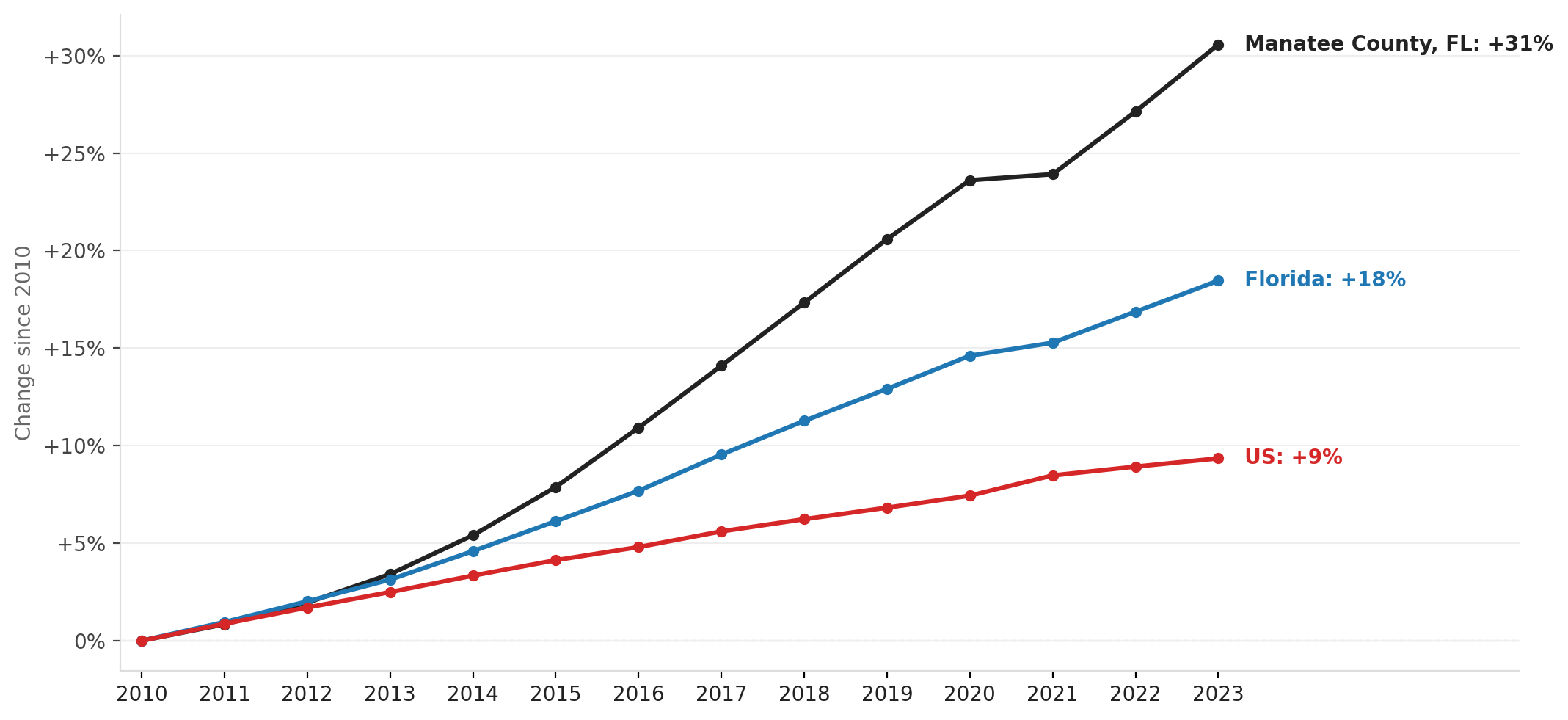
Source: U.S. Census Bureau, American Community Survey.
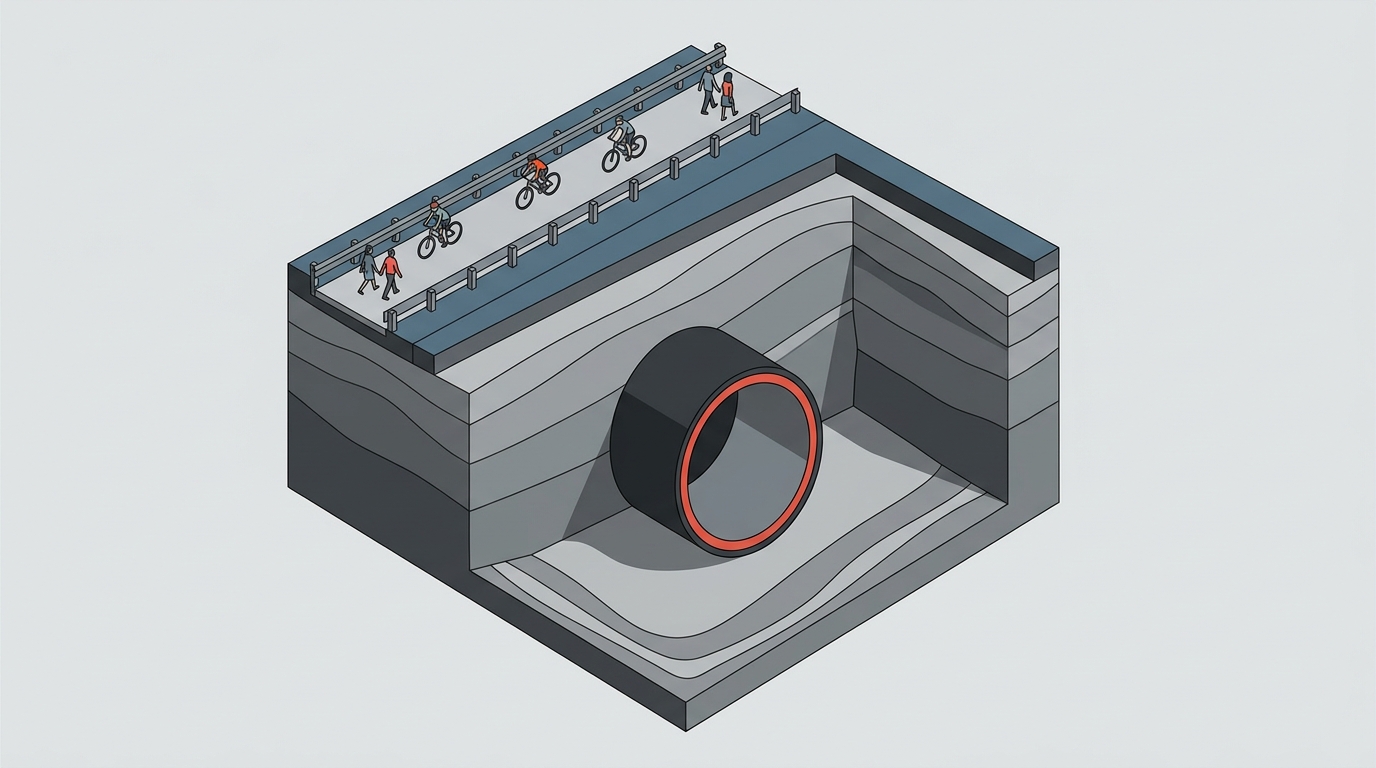
The PCCP pipe work carries a different kind of urgency. That pipe technology was widely installed across the U.S. from the 1950s through the 1990s, and was considered state-of-the-art at the time. But PCCP is vulnerable to internal wire corrosion that can cause sudden, catastrophic failures with little warning. Utilities across Florida and the country have scrambled to assess and replace aging PCCP lines in recent years; Manatee County's program puts it among them. A failure in a major transmission main can mean flooding, extended service outages, and emergency repair costs that dwarf what planned replacement would have cost.
The resiliency component ties to a more recent reckoning. Hurricane Ian in 2022 and Hurricane Milton in 2024 both hit the region and exposed vulnerabilities in buried infrastructure. As this coverage has noted, [Manatee County has been racing to expand water systems](articles/manatee-county-races-to-expand-water-systems-as-growth-strains-capacity) even as storms add new pressure to the timeline.
Federal dollars could help defray the costs. The 2021 Bipartisan Infrastructure Law set aside roughly $55 billion for water infrastructure nationwide, and Florida's State Revolving Fund offers low-interest financing for projects like these. Rising post-pandemic construction costs make locking in engineering and design work now a critical step before budgets are set.
Once engineers are selected and designs are finalized, the county will face the larger question of sequencing and funding construction across all four projects simultaneously.