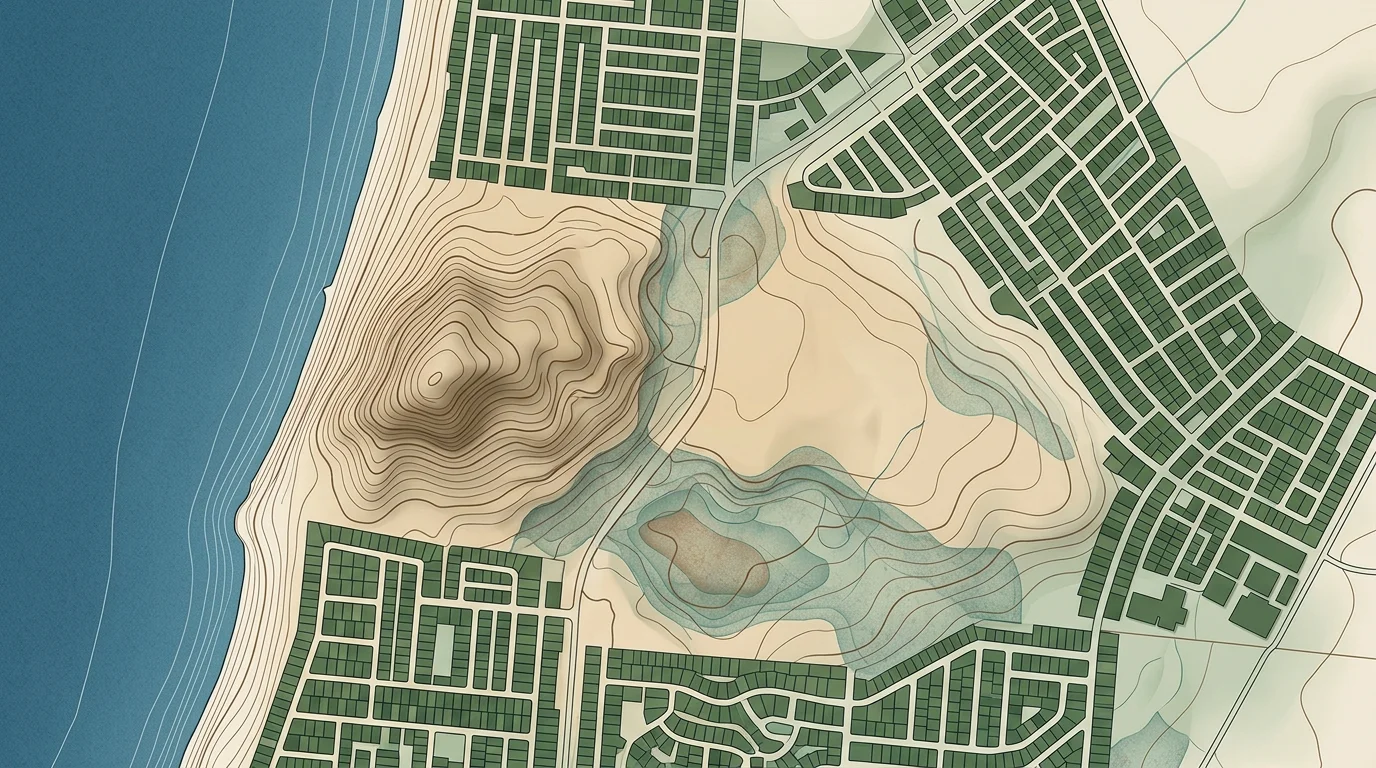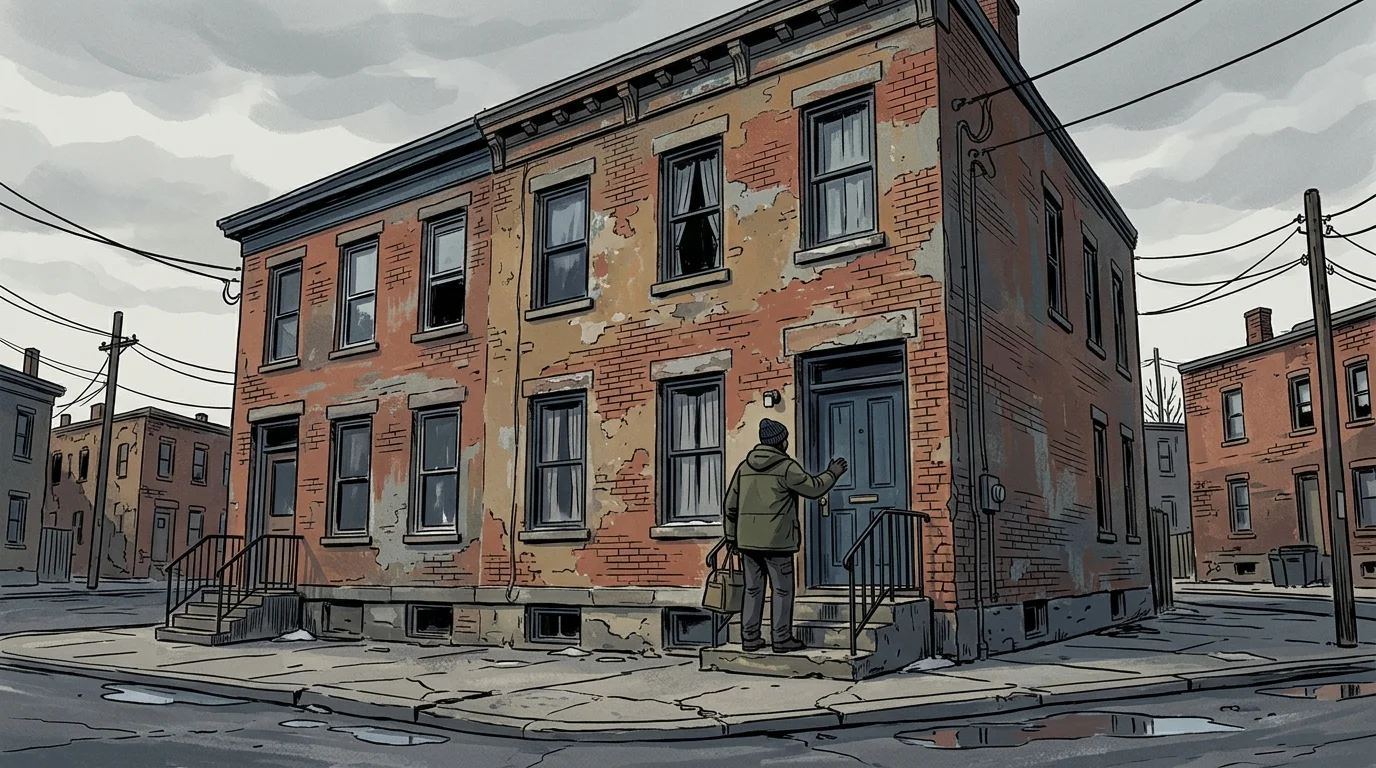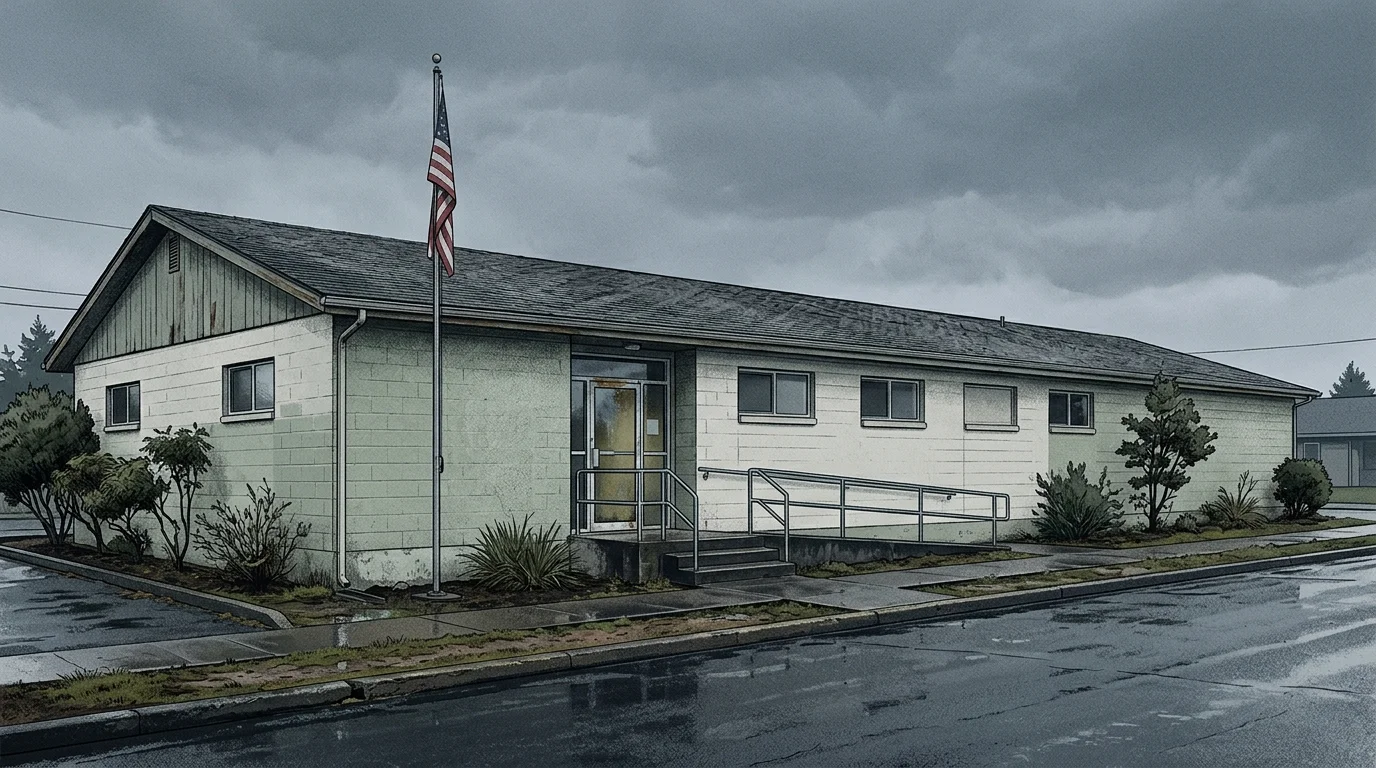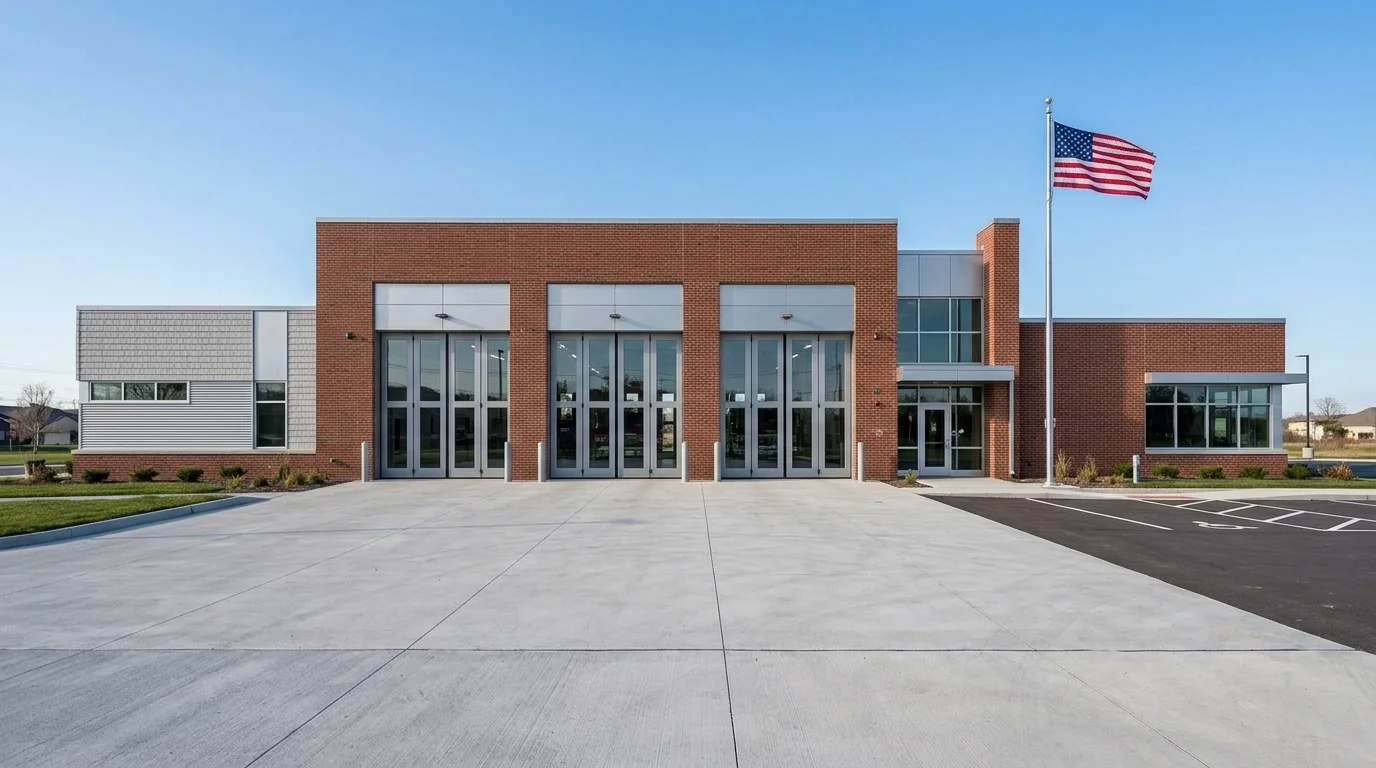
Somewhere in Michigan, residents in underserved areas are waiting too long for fire trucks and ambulances to arrive, and their local government is now moving to fix it by building two new fire stations at once.
The project, listed on the Michigan Inter-governmental Trade Network, signals a serious commitment to closing coverage gaps. Building two stations simultaneously is unusual and typically reflects either a voter-approved bond package or the findings of a formal coverage-gap study showing that large portions of a community fall outside the four-minute travel window recommended by the National Fire Protection Association. Communities that miss that benchmark routinely see slower emergency responses and higher homeowner insurance premiums tied to their ISO fire protection ratings.
The issuing agency and specific station locations weren't publicly identified in the record, but the MITN platform is used exclusively by Michigan local governments. That narrows the picture considerably: Michigan communities building new fire stations right now tend to be either fast-growing exurbs on the edges of the Detroit or Grand Rapids metro areas, where residential subdivisions have outpaced emergency infrastructure, or townships making the difficult shift from volunteer to full-time staffing as volunteer firefighter ranks have shrunk nationally.
Source: NationGraph.
The timing also matters. The posting arrived in late September 2026, near the end of the window for spending American Rescue Plan Act funds, which many Michigan communities have directed toward public safety capital projects.
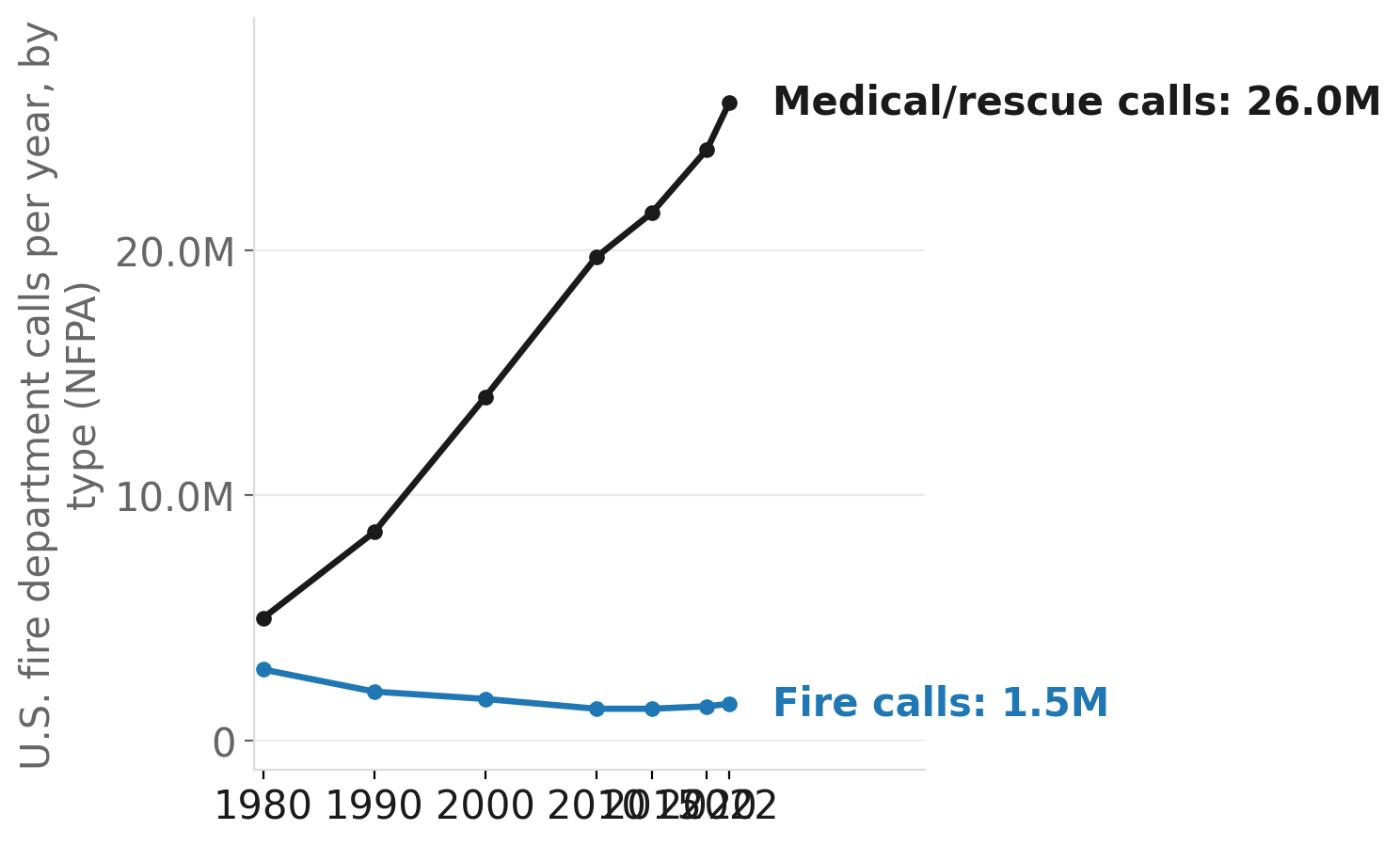
Modern fire stations are also doing far more than fighting fires. Roughly 65 to 80 percent of fire department calls nationwide are now medical emergencies, driven by an aging population and ongoing overdose crisis. That shift has pushed departments to rethink how many stations they need and where to put them. Similar pressures recently led Dearborn Heights to build its first new fire station in decades, a pattern playing out across metro Detroit.
Key details, including the budget, station locations and projected construction timeline, were not available in the public record excerpt. Those specifics should become clearer as the community moves through contractor selection and, eventually, breaks ground.