Minnesota's forests in the Bemidji region have a beaver problem, and the state is paying to keep it in check. The Department of Natural Resources is seeking licensed trappers to remove nuisance beavers and breach dams across a multi-county stretch of north-central Minnesota, where an exploding beaver population has turned into a persistent, expensive headache for the state's forestry operations.
The DNR has posted a solicitation for beaver control services covering the Bemidji Area forestry administrative region, which spans parts of Beltrami, Hubbard, Cass, and Clearwater counties. The contract value and duration were not specified in the posting.
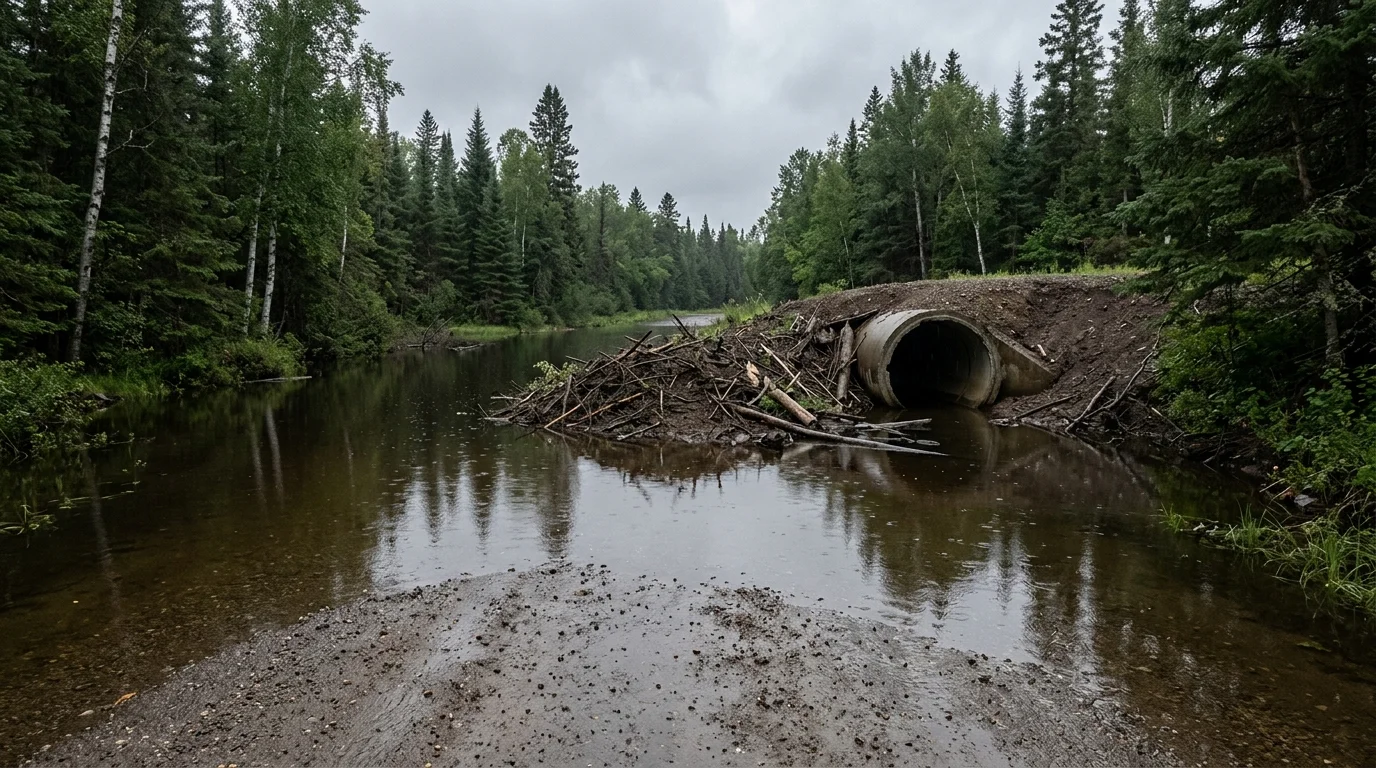
The work is routine but consequential. Beavers dam culverts, back water over forest roads, and drown young timber stands, cutting off access routes that loggers, firefighters, and recreational users all depend on. The DNR manages roughly 4.9 million acres of state forest land, and its timber sales program brings in more than $30 million annually. Flooded roads and waterlogged tree plantings directly threaten that revenue.
Source: NationGraph.
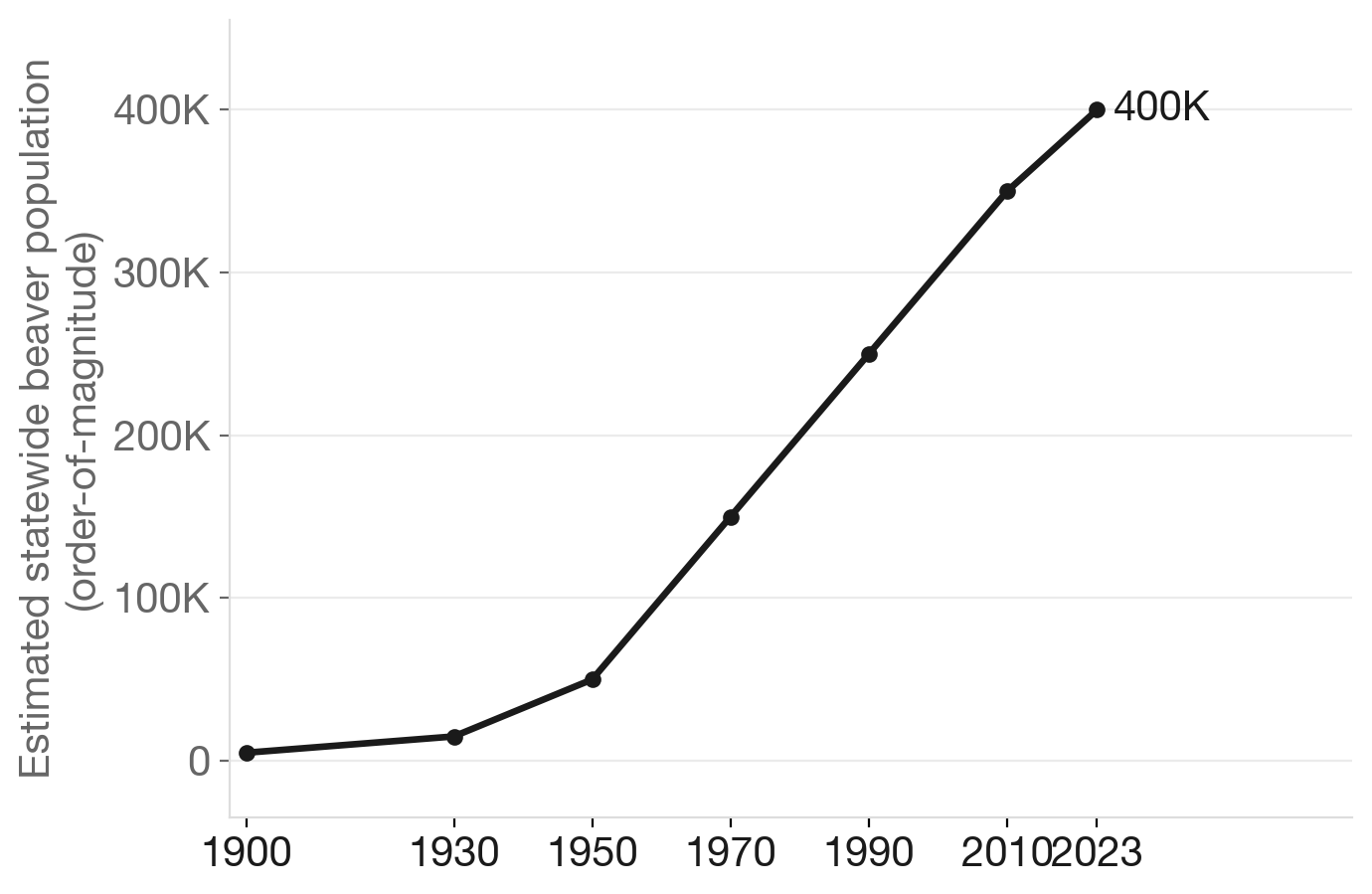
The situation is a byproduct of one of Minnesota's quieter conservation successes. Beavers were nearly trapped out of the state by the late 1800s during the North American fur trade. As regulations tightened and the fur market collapsed through the 20th century, populations rebounded sharply. Minnesota now supports one of the largest beaver populations in the lower 48 states, numbering in the hundreds of thousands. Beltrami County alone contains more than 400,000 acres of wetlands, making the Bemidji region especially prone to beaver activity.
The DNR has contracted with local trappers on a recurring basis since the 1980s to manage problem sites. This latest solicitation continues that long-running program. The solicitation is administered through the state's SWIFT supplier portal and lists the agency's regional operations base at the former Ah Gwah Ching state hospital site near Walker, Minn. The DNR has been active across its northern Minnesota properties in recent years; separately, the agency has explored unconventional approaches to land management at Ah Gwah Ching, including using goats to reduce wildfire risk on the historic grounds.
Nationally, some conservationists have begun pushing back on lethal beaver control, arguing that beaver-built wetlands can help buffer droughts and store water in a warming climate. Minnesota has seen periodic legislative debate over who should bear the cost of beaver damage on public drainage systems. For now, the DNR's answer in the Bemidji area remains the same it has been for decades: hire a trapper.