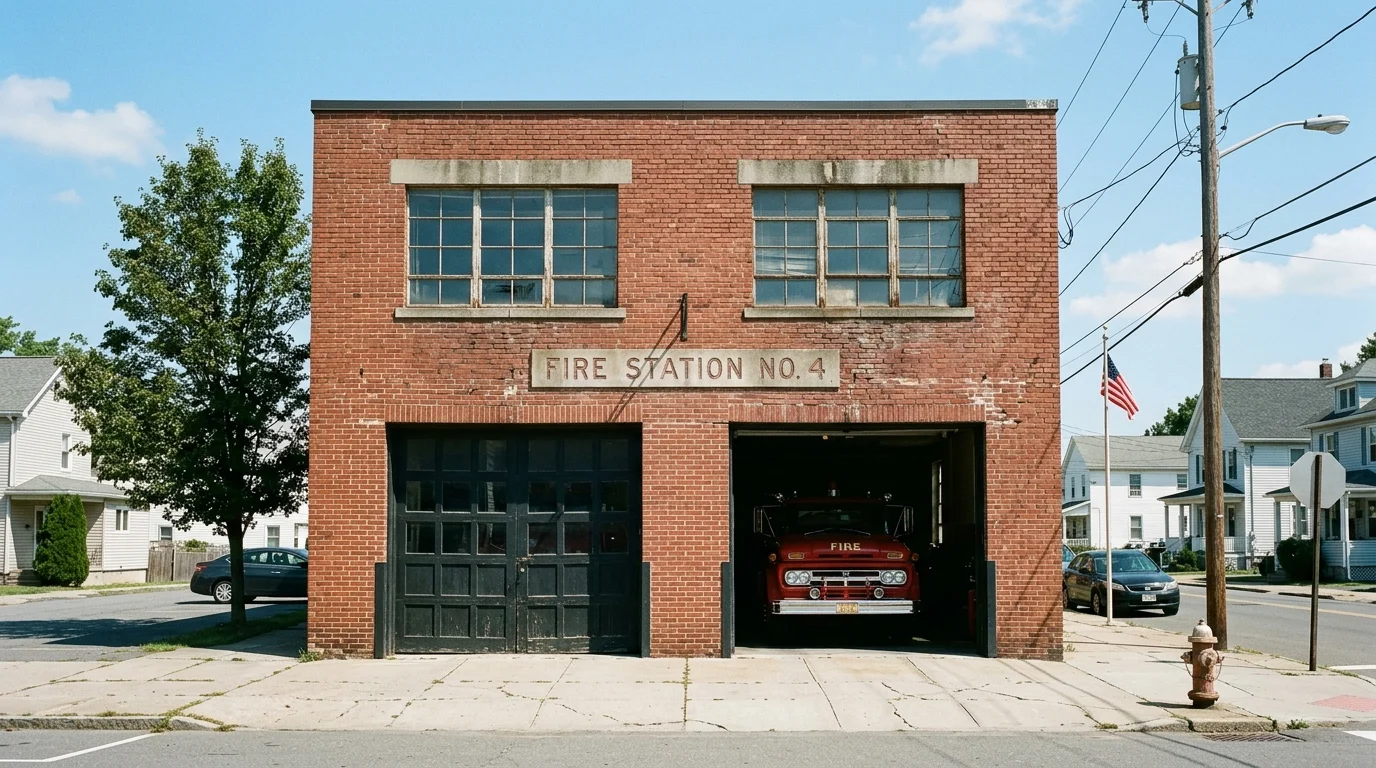
Dearborn Heights, Mich., is moving to replace fire infrastructure that dates to the Eisenhower era, with the city soliciting contractors to build a new fire station as part of its most significant public safety capital investment in decades.
The station construction reflects pressures that have reshaped fire departments across the country, not just in aging Detroit-area suburbs. Modern fire stations must accommodate cancer-prevention protocols that physically separate contaminated turnout gear from living areas using designated hot, warm and cold zones. That design simply doesn't exist in buildings put up in the 1950s and 1960s for all-male crews and smaller apparatus. Firefighter cancer has become one of the leading causes of line-of-duty death nationally, and the National Fire Protection Association's updated standards have driven a wave of station rebuilds from Michigan to Texas.
The service itself has also changed. Today, fire departments typically run 70 to 80 percent of their calls as emergency medical responses, not fires, which requires different floor plans, equipment storage and crew facilities than stations built when structure fires dominated call volumes.
For Dearborn Heights, a working-class, first-ring suburb of about 63,000 people, getting here took time. The city spent years under state financial review and has long operated under the property tax constraints of Michigan's Headlee Amendment and Proposal A, which squeezed revenues even as service demands grew. That fiscal pressure contributed to deferred infrastructure investment across the city. Surrounding communities including Dearborn, Allen Park and Taylor have each completed fire station modernization projects over the past decade, many funded through dedicated public safety millages. Similar efforts are underway in cities like St. Joseph, Missouri and Port Arthur, Texas, where aging fire infrastructure has reached the same crossroads.
Station placement in a densely built postwar residential city like Dearborn Heights also carries a direct financial consequence for residents: Insurance Services Office ratings, which help set homeowners insurance premiums, factor in fire station response times and equipment. A modernized, well-located station can improve those scores.
The city posted the construction solicitation through the Michigan Inter-governmental Trade Network on July 21, 2026. Full project details including the budget, square footage and site location are available in the solicitation documents. The city has not publicly confirmed whether the new station will replace an existing facility or add coverage to an underserved area.