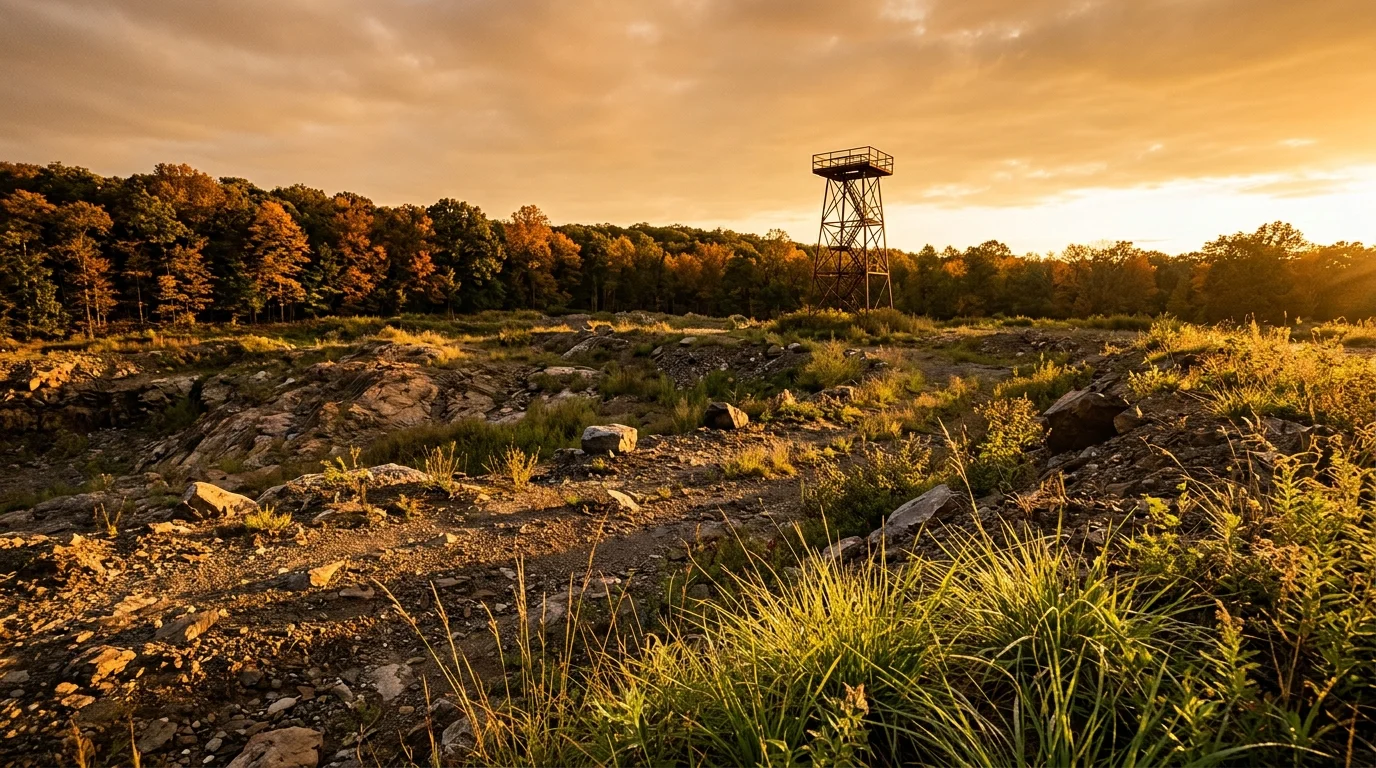
An old iron mine in Wharton, New Jersey that helped power American industry for generations is being converted into a public park, complete with native meadows, hiking trails, and a steel viewing tower overlooking the Highlands landscape.
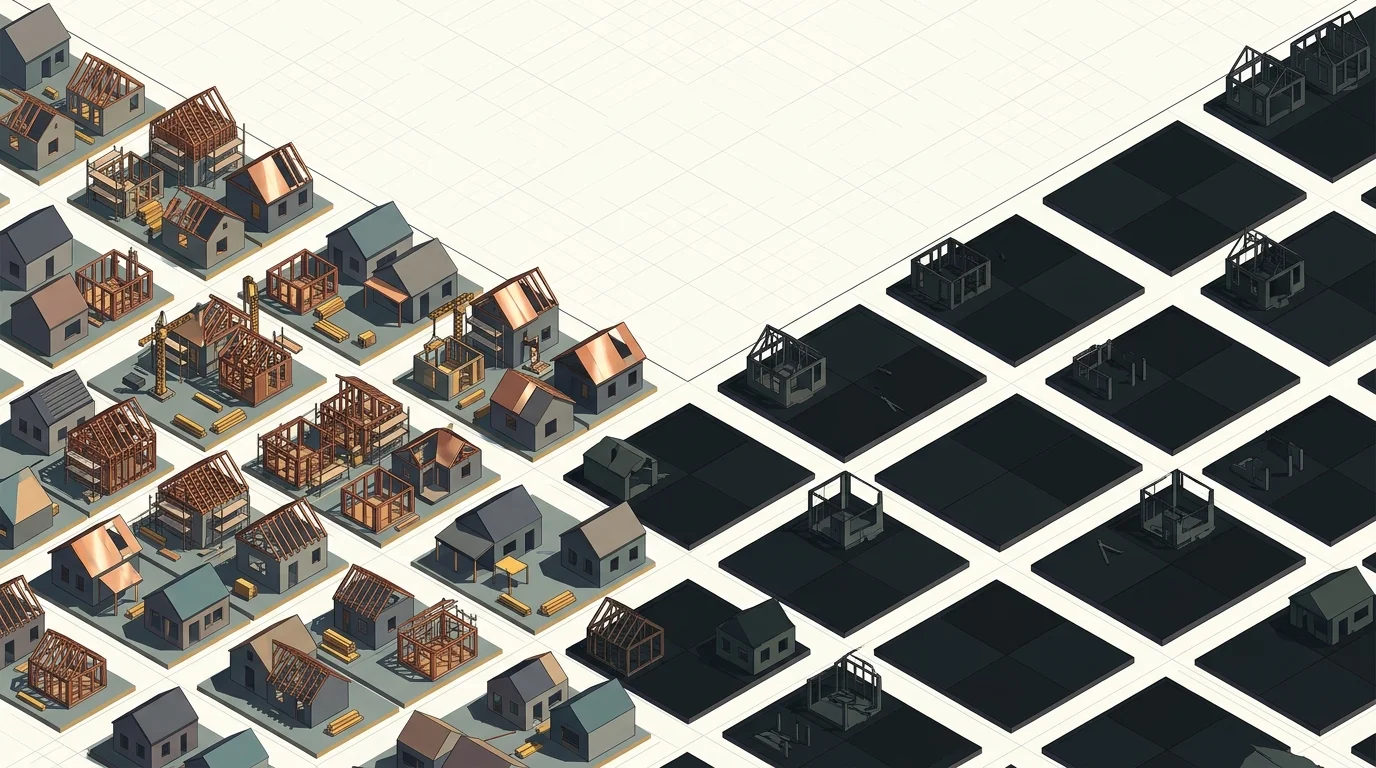
The borough, a small community of about 7,500 residents in Morris County, has finished the first phase of the Orchard Mine reclamation: clearing hazards, grading the scarred terrain, and stockpiling salvaged materials from the site. Now comes the part residents will actually see. Phase 2 will add stone-dust walking paths through reforested areas and restored native meadows, a timber-frame picnic pavilion with a restroom, a parking area with a bioretention basin to manage stormwater, and the signature steel viewing tower. Salvaged stone and other materials recovered during cleanup will be reused in the new construction wherever possible, a requirement that keeps the site's industrial history embedded in its new identity.
The transformation is part of a broader reckoning with New Jersey's mining past. The Highlands iron belt, which stretches through Morris County and beyond, powered the state's economy from colonial times through the mid-20th century before the mines closed and left behind pitted land and tailings piles across dozens of communities. Wharton itself is named for Joseph Wharton, the 19th-century industrialist who consolidated much of the region's iron production and later founded the Wharton School at Penn. The Morris Canal, which once hauled ore through town, is now the focus of separate greenway planning efforts.

Source: NationGraph.
Reclaiming these sites accelerated after New Jersey passed the Highlands Water Protection and Planning Act in 2004, which restricted development on roughly 860,000 acres of environmentally sensitive land in the region. Repeated voter approvals of Green Acres bond funding have provided a steady source of money for exactly this kind of adaptive reuse, and updated state stormwater rules now require green infrastructure features like the bioretention area planned for the Orchard Mine parking lot.
Wharton has posted the Phase 2 bid opportunity on the borough's public bids page. Once a contractor is selected, the project will move toward turning a remediated industrial scar into one of the more distinctive public spaces in Morris County.