Ten Washington institutions issued stormwater-related RFPs in the last 30 days after going silent on the topic for at least a year. In the equivalent window a year ago, that count was zero.
The institutions span the full breadth of the state: Spokane (pop. 228,000) in the east, Bellevue and Vancouver on the west side, the Port of Seattle, the Port of Tacoma, and Methow Valley School District (pop. 756) in rural Okanogan County. The variety is the point. This is not a Puget Sound infrastructure push or a big-city capital flush. Something is moving all of them at once.
That something is Washington Ecology's reissued Municipal Stormwater General Permits, which took effect August 1, 2024 and introduced the most significant new compliance requirements since the prior permit cycle ended in 2019. The permits carry two hard deadlines that are now close enough to cause procurement urgency: new permittees must have source-control ordinances in place by August 1, 2026, and all permittees must complete tree-canopy and outfall mapping by December 31, 2026. Miss those dates and Ecology's compliance-assurance program, which explicitly targets audit selection around permit deadline clusters, is watching.
Source: NationGraph.
A second regulatory clock started ticking January 1, 2026. The 2026 Construction Stormwater General Permit went into effect that day, covering more than 2,500 construction sites across Washington and expanding both the definition of covered activity and the inspection requirements attached to it. For institutions managing active construction, this permit added a new layer of compliance exposure on top of the municipal permit's mid-cycle deadlines.
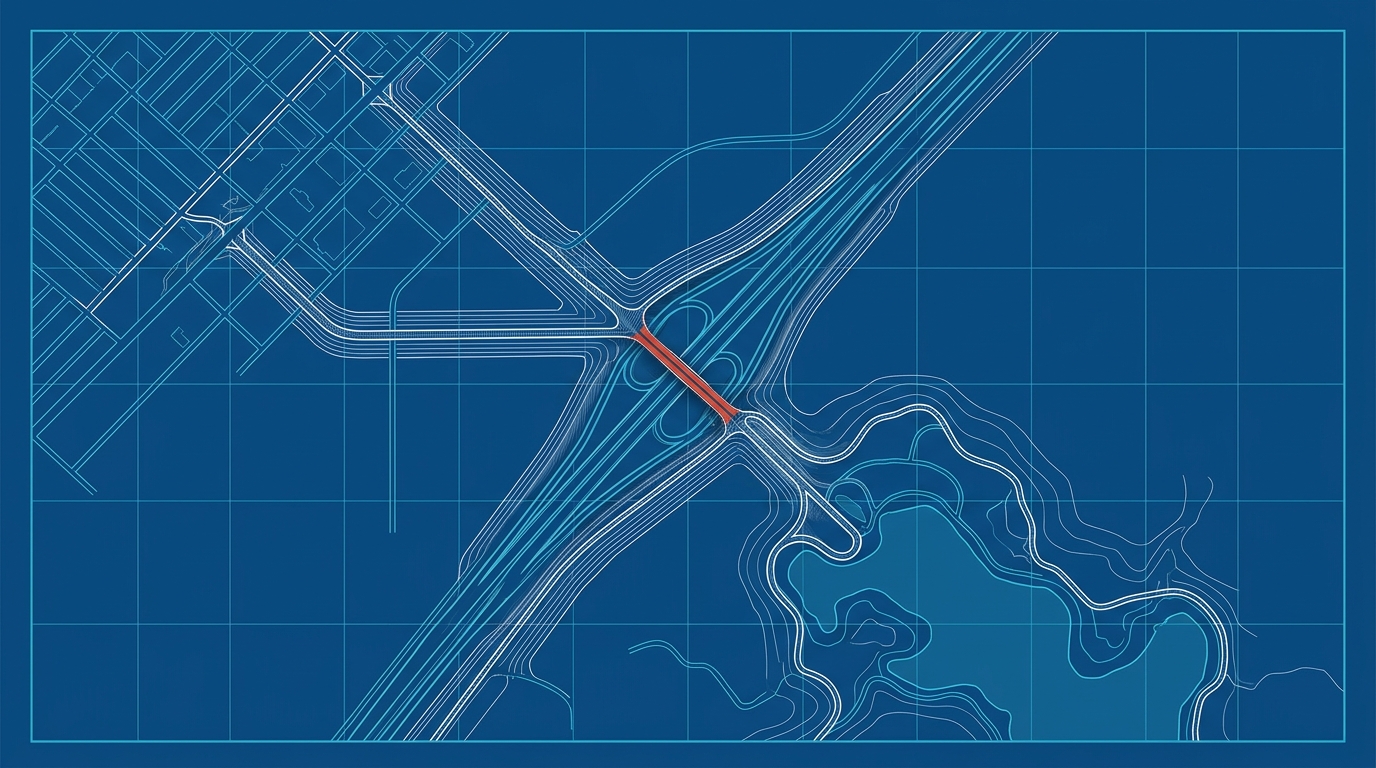
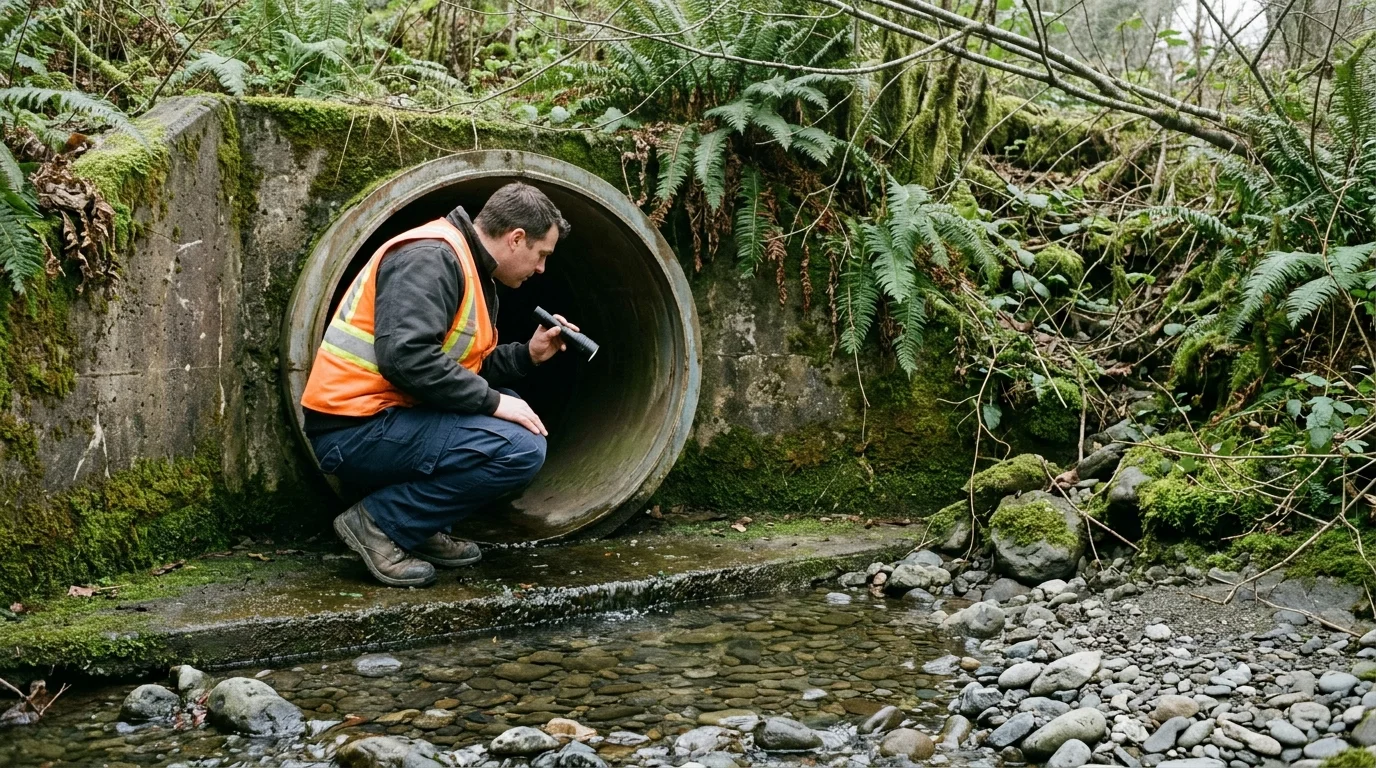
The procurement surge makes sense against that calendar. The City of Bellevue launched a Stormwater Precleaning and CCTV Inspections Phase 1 RFP, the kind of outfall-inventory work the December 2026 mapping deadline demands. The City of Issaquah issued a Storm Drainage Rehabilitation and Improvement Program RFP. The City of Vancouver opened bids for a stormwater retrofit. Spokane put out a Stormwater Decant Facility maintenance RFQ. Port of Seattle followed with a Vactor Truck Decant Services RFP. Each procurement is distinct, but they share a common forcing function: a permit reissuance that is five years newer than anything these jurisdictions had previously operated under, with deadlines that cannot be extended by inaction.
The Methow Valley School District entry is the sharpest illustration of the permit's reach. A school district serving fewer than 800 people in the Cascades, opening bids for storm drainage at Liberty Bell High School, is not acting out of environmental ambition. It is responding to the same regulatory framework that Bellevue and the Port of Tacoma are responding to. Washington's NPDES authority is fully delegated to Ecology, which runs four separate stormwater permit tracks. There is no county-by-county variation to shelter small jurisdictions.
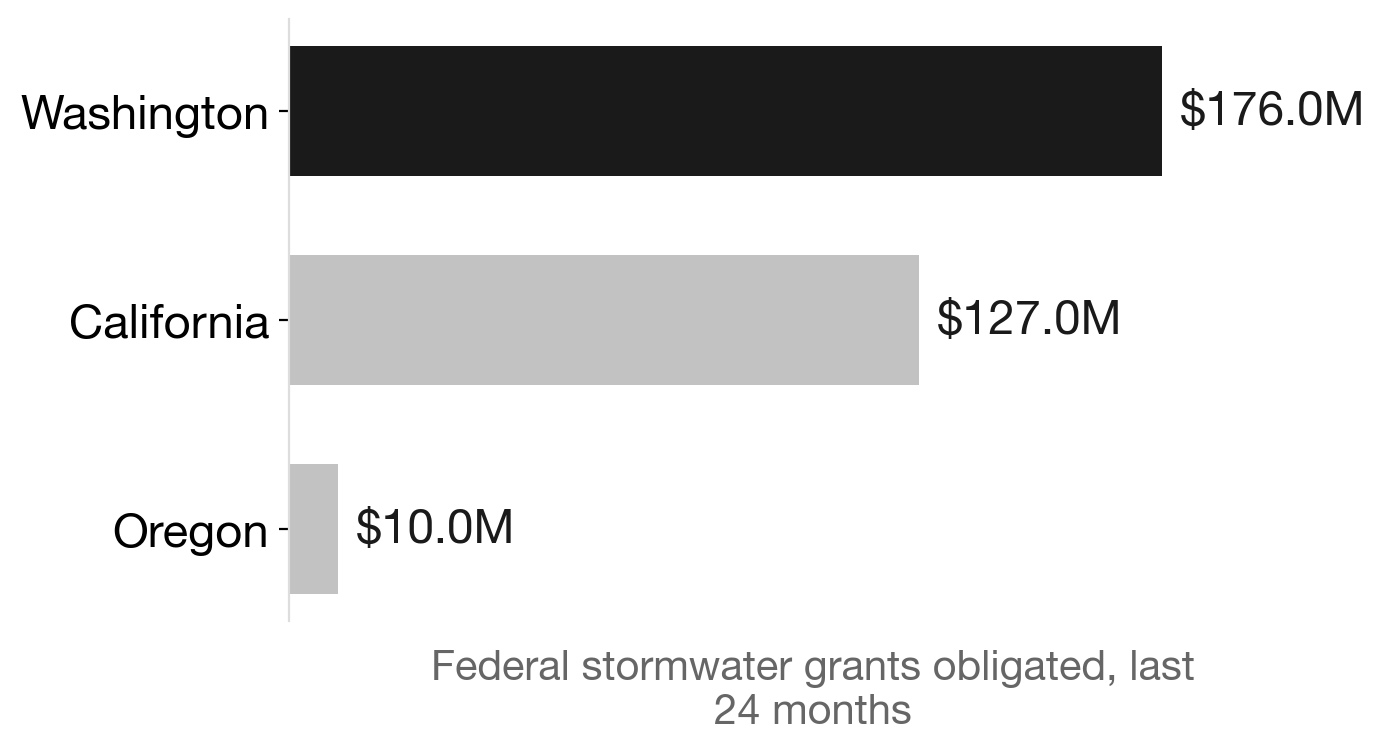
Washington was already the dominant recipient of federal stormwater funding in the Pacific Northwest before this procurement wave began. The state received $176 million in newly obligated federal stormwater grants over the last 24 months, compared with $127 million for California and $10 million for Oregon. That grant base helped capitalize the compliance infrastructure that municipalities are now being required to activate. The RFP surge is, in part, those dollars finally being deployed under deadline pressure.
For residents, the practical consequence is that stormwater work that was once deferred indefinitely is now on contract timelines. Outfall mapping means inspectors in creek corridors and neighborhoods with aging drain infrastructure. Tree-canopy assessments feed into impervious-surface calculations that can affect future development permitting. The December 31, 2026 mapping deadline is not an abstract regulatory milestone; it produces data that will shape local stormwater management plans, and those plans carry their own update deadlines extending into 2027.
The signal to watch is what happens after the RFPs close. Jurisdictions that issued procurement documents now need to award contracts, complete work, and file documentation with Ecology before the calendar flips to 2027. The compliance-assurance program's audit focus on deadline clusters means late completions will draw scrutiny, not administrative tolerance. Whether the ten institutions that mobilized in the last 30 days can convert RFPs into finished work products before December 31 is the next measurable question this data will answer.