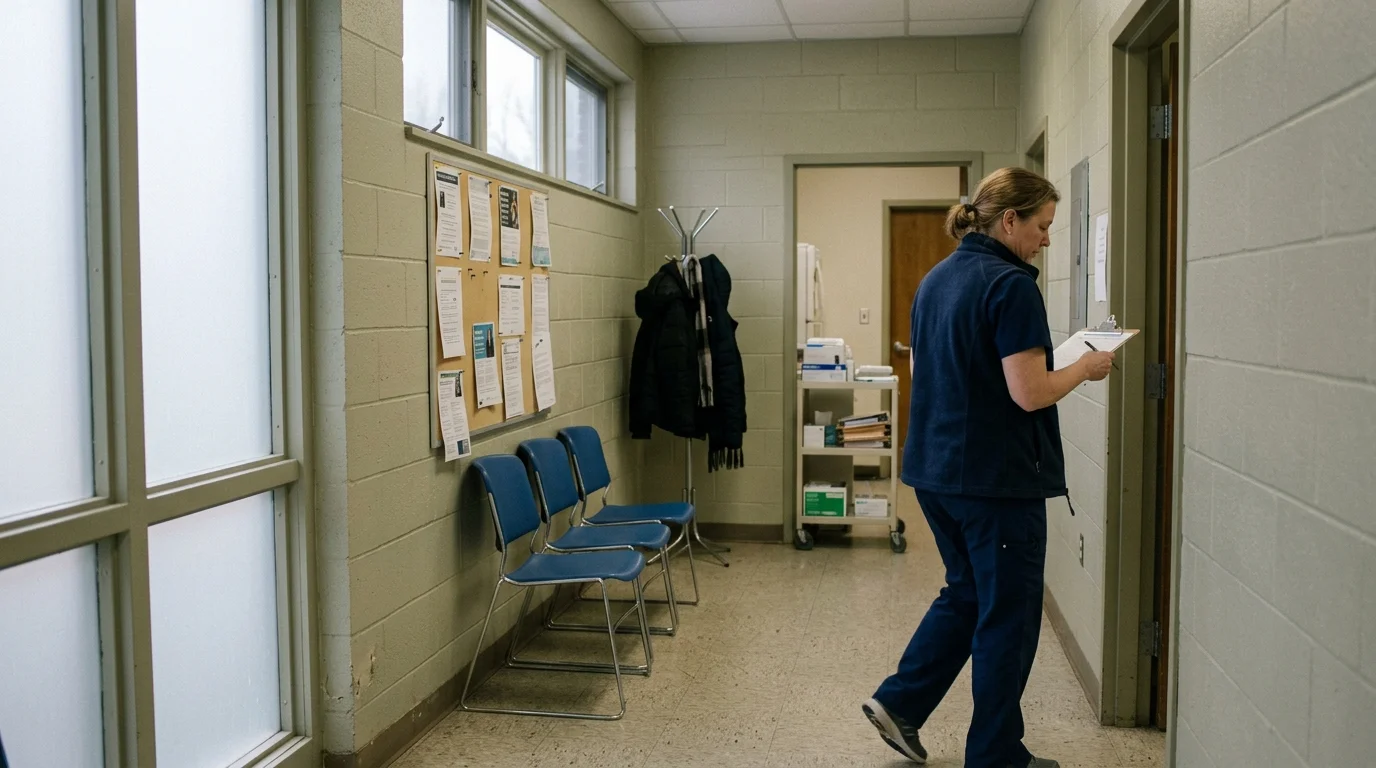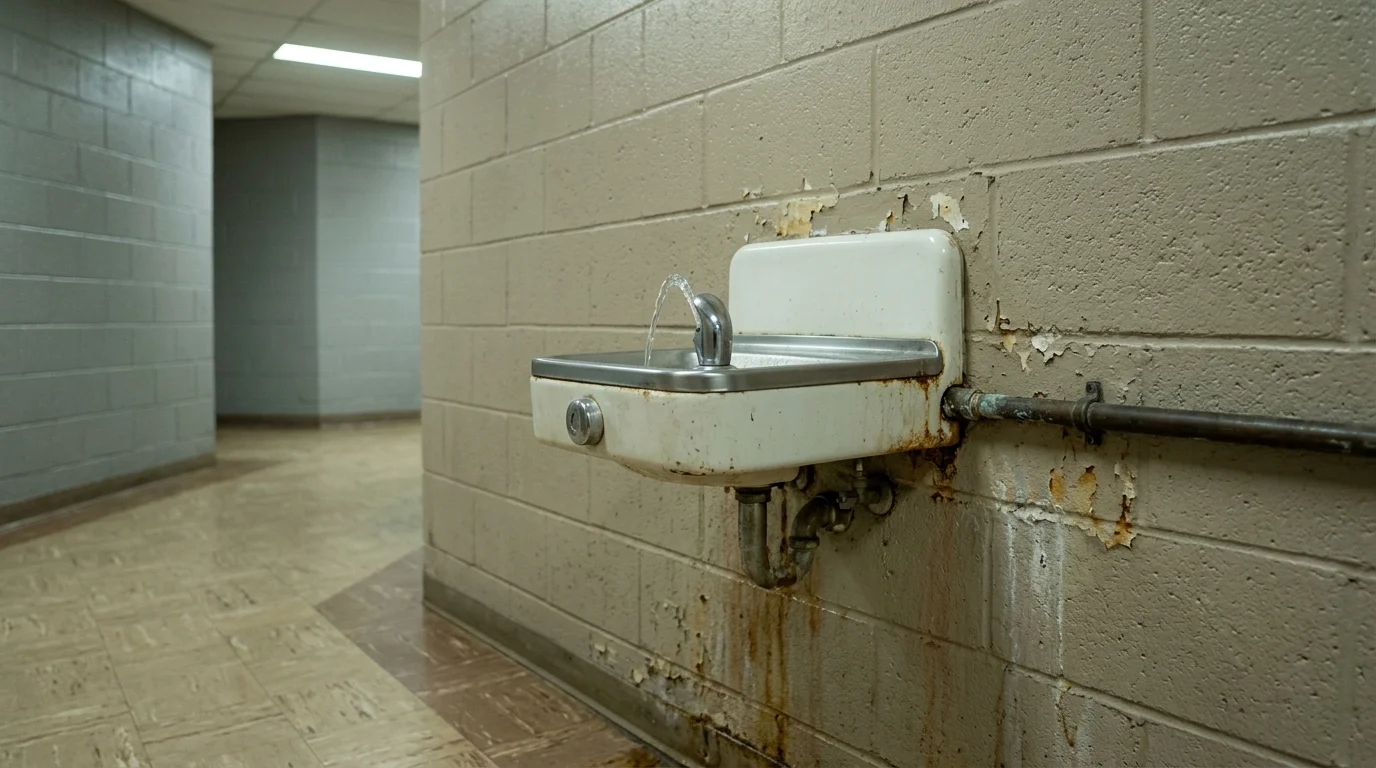
Georgia is moving to strip cancer-linked "forever chemicals" from the drinking water at its state prisons, where tens of thousands of incarcerated people have had no choice but to drink whatever comes out of the tap.
The Georgia Department of Corrections is now seeking a construction partner to upgrade water treatment systems at correctional facilities statewide, targeting PFAS contamination. The department posted the solicitation on July 30, 2026.
PFAS, or per- and polyfluoroalkyl substances, are a class of synthetic chemicals used since the 1940s in products ranging from nonstick cookware to firefighting foam. They don't break down in the human body or the environment, and they've been linked to cancer, thyroid disease, immune suppression and developmental problems. In April 2024, the EPA finalized the first enforceable federal limits on PFAS in drinking water, setting a maximum of 4 parts per trillion for the most common compounds. Every public water system in the country must comply by 2029.
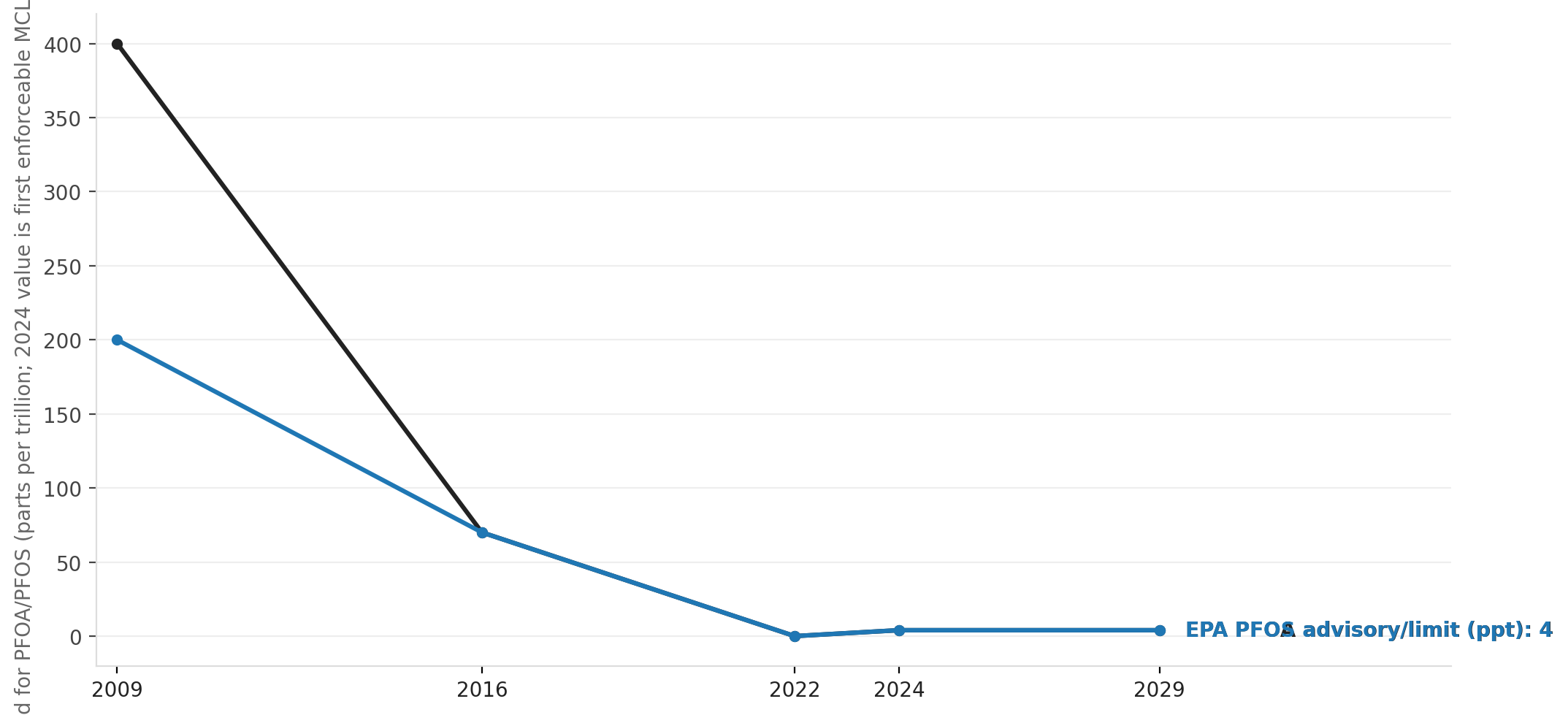
Source: NationGraph.
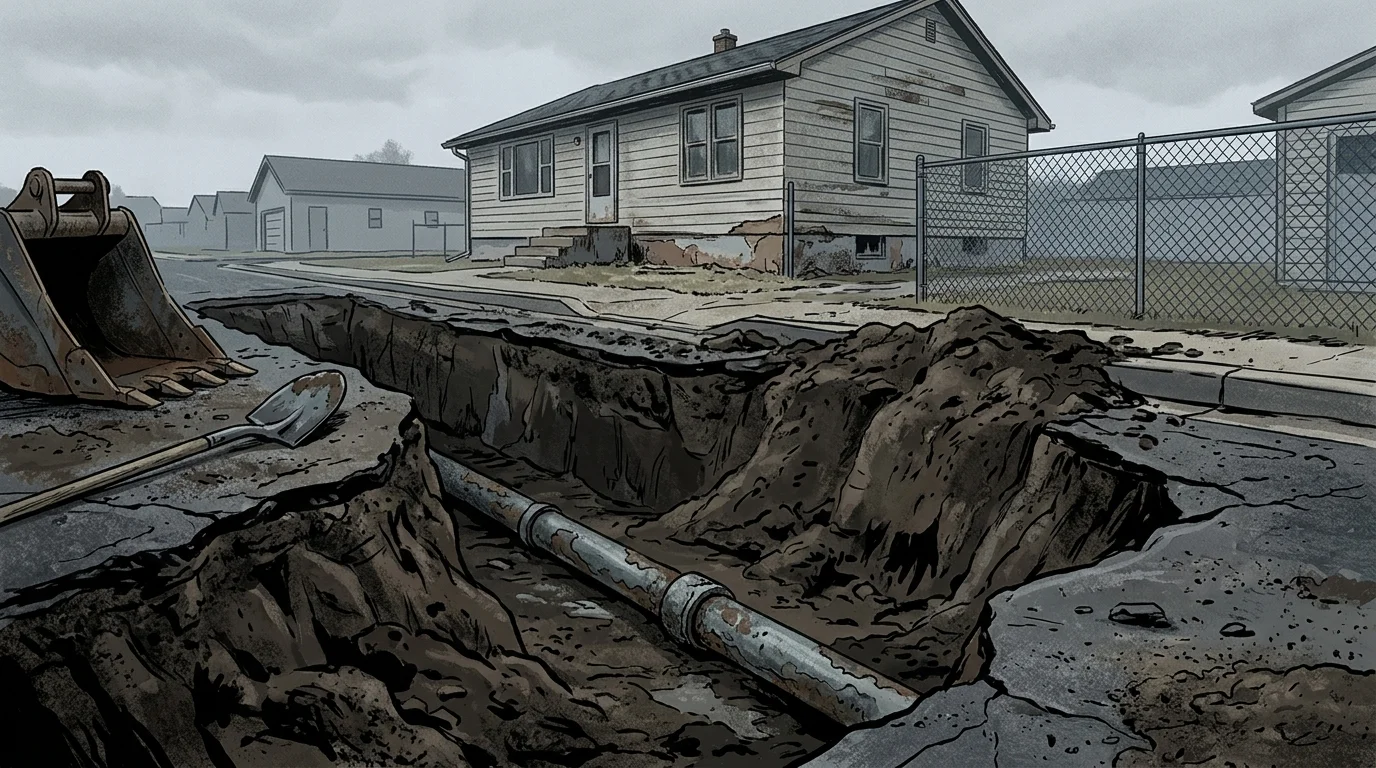
That deadline is the driving force here. Georgia's prisons, many of them in rural counties like Jackson, Reidsville and Hancock, operate their own on-site water systems rather than connecting to municipal supplies. That makes them responsible for their own compliance, and it means incarcerated people have been particularly exposed with no ability to seek alternative sources.
Georgia houses roughly 47,000 people in state prisons, one of the largest incarcerated populations per capita in the country. The state is also a documented PFAS hotspot: carpet manufacturing around Dalton has generated major contamination lawsuits involving the Coosa and Conasauga river systems, and military installations across the state have been linked to firefighting foam contamination in groundwater.
The move comes amid broader scrutiny of Georgia's prison system. A 2024 U.S. Department of Justice investigation concluded that conditions in Georgia prisons violated the Eighth Amendment, citing systemic violence and neglect. Water quality wasn't a centerpiece of that probe, but the PFAS project represents an unusual acknowledgment that the infrastructure serving incarcerated people has long been inadequate.
The state is also navigating a familiar pressure-driven timeline. Like Georgia cities racing to meet stormwater permit deadlines, the corrections department is moving now with federal compliance clocks ticking.
With three years until the EPA's 2029 deadline, how quickly upgrades can be designed, built and certified across dozens of facilities remains the open question.