Money extracted from the pharmaceutical companies that fueled America's opioid epidemic is now flowing into Virginia classrooms to warn a new generation about fentanyl, the synthetic drug that replaced the pills and now kills more than 2,000 Virginians every year.
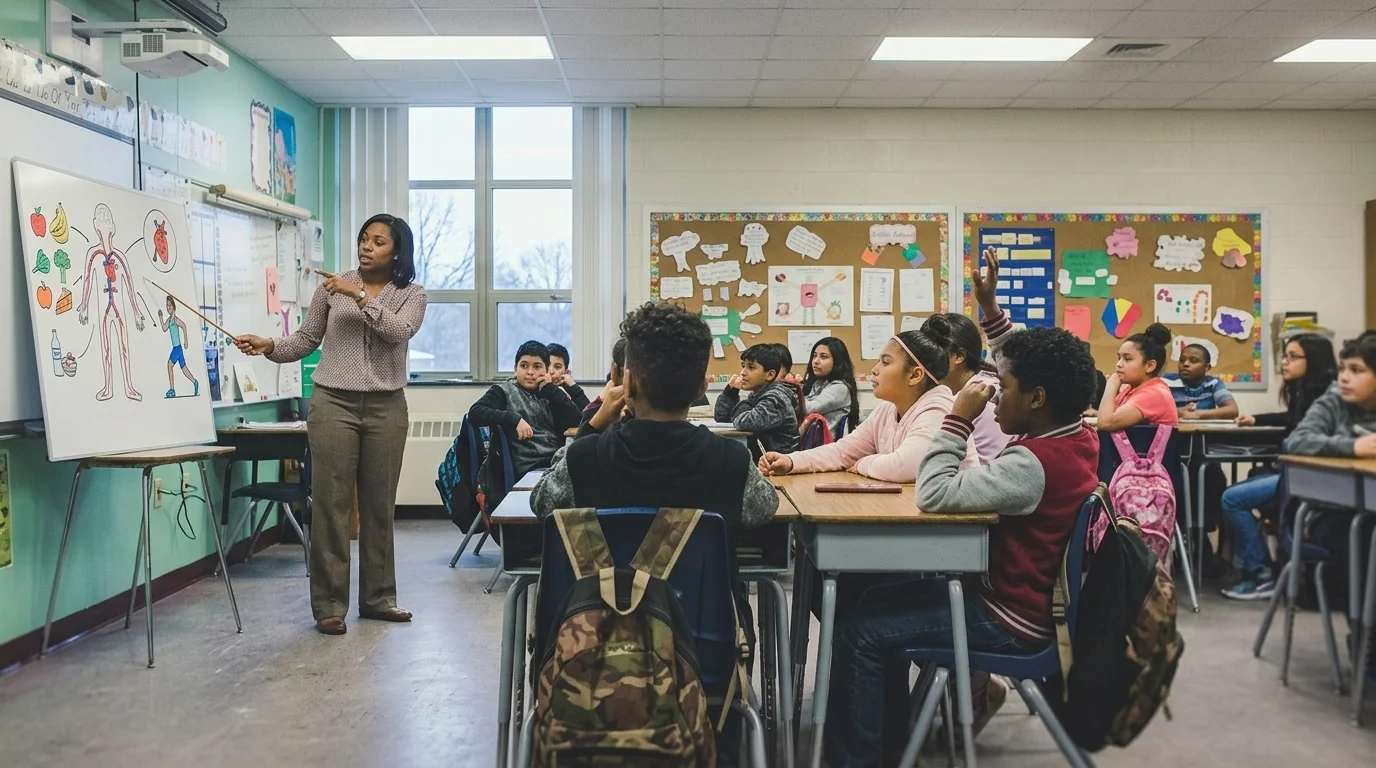
The Virginia Foundation for Healthy Youth (VFHY) has awarded $200,000 in Dangers of Fentanyl Activation Grants to 50 schools and community organizations across the state. Each recipient gets $4,000 to deliver a curriculum that explains how fentanyl works, why counterfeit pills are so dangerous, and how to recognize an overdose. Between January and September 2026, those 50 groups are expected to reach approximately 17,000 middle and high school students considered at elevated risk for opioid exposure.
The funding comes from the Virginia Opioid Abatement Authority, the state body created in 2021 to distribute Virginia's share of the national opioid litigation settlements with Purdue Pharma, Johnson & Johnson, and the major drug distributors and pharmacy chains. Virginia is slated to receive roughly $1.1 billion from those settlements over 18 years. VFHY, itself created in 1999 from the Tobacco Master Settlement Agreement, is a natural vehicle for the work: the organization has spent 25 years turning settlement dollars into school-based prevention programs.
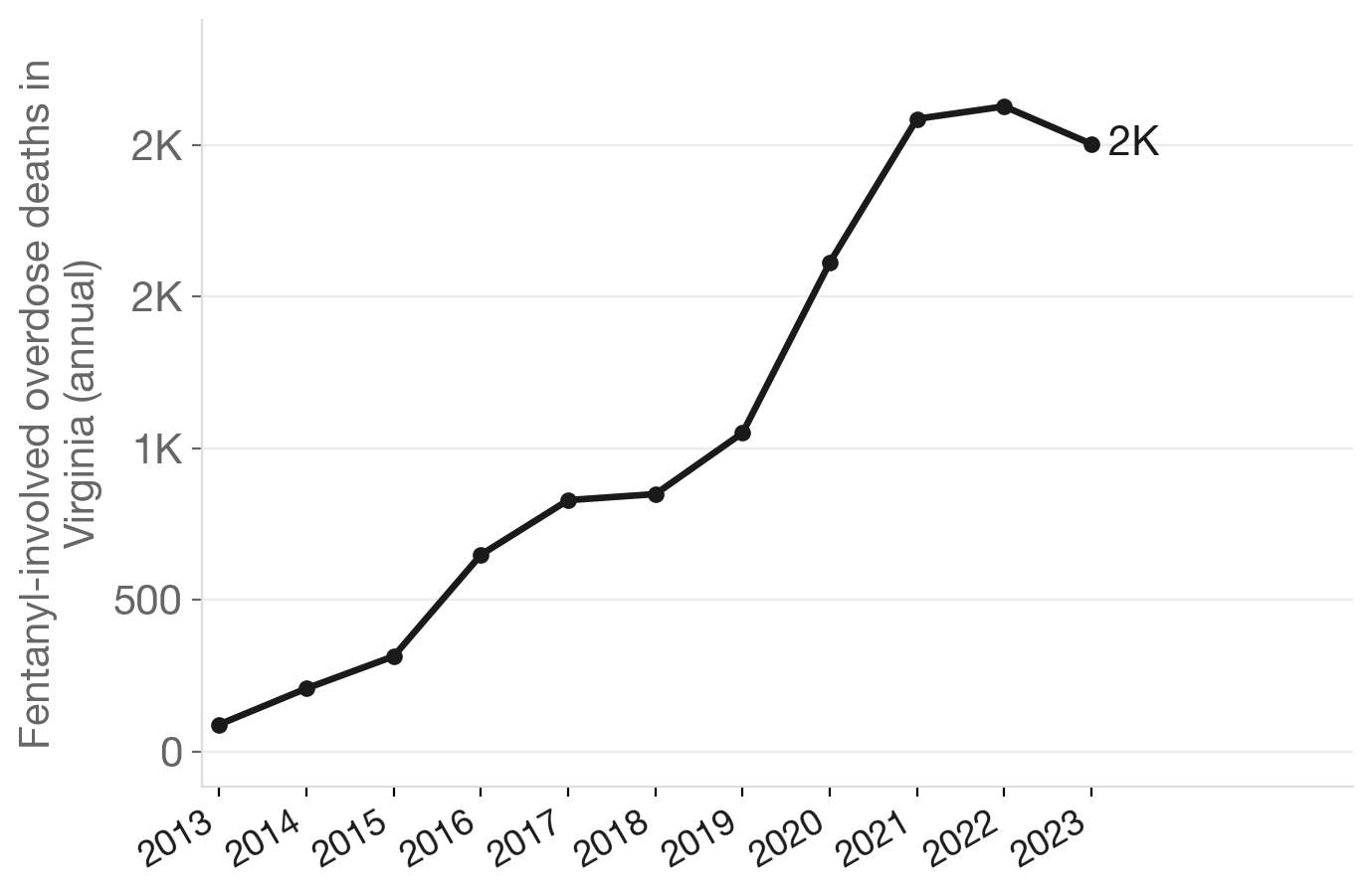
Source: NationGraph.
The urgency is real. Fentanyl is roughly 50 times stronger than heroin, and its spread into counterfeit pills disguised as Xanax, Percocet or Adderall has made teen exposure uniquely lethal. Adolescent overdose deaths more than doubled nationally between 2019 and 2021, even as overall teen drug use declined, because a single fake pill can kill. In Virginia, fentanyl-involved deaths climbed from under 100 in 2013 to more than 2,000 annually by 2022-2023.
The grantee list reflects where the crisis has hit hardest. Southwest Virginia counties like Buchanan, Bland, Carroll, Scott and Pulaski were ground zero for the original prescription painkiller wave in the late 1990s and still rank among the state's highest per-capita overdose areas. Mountain Empire Older Citizens, Clinch Valley Community Action and St. Mary's Health Wagon all serve that deep Appalachian corridor. Urban recipients including Chesapeake Public Schools, the City of Alexandria and Richmond Behavioral Health Authority face a different but equally lethal profile driven by counterfeit pill distribution.
A first cohort of 24 grantees ran the program in 2025 with measurable results: those organizations reached 11,399 high-risk youth and trained 192 instructors. Ninety-six percent of participating sites rated it very likely that students learned important information about fentanyl. The curriculum is available free in English and Spanish, with separate versions for middle and high school students.
The second cohort's work runs through September 2026, after which VFHY will assess outcomes and determine whether to expand the program again.