San Francisco's downtown rail tunnel, one of the most delayed transit projects in the country, is taking its most concrete step yet toward construction: the agency behind it is now searching for a contractor to build the 1.3-mile underground link that would finally bring Caltrain and California High-Speed Rail into the Salesforce Transit Center.
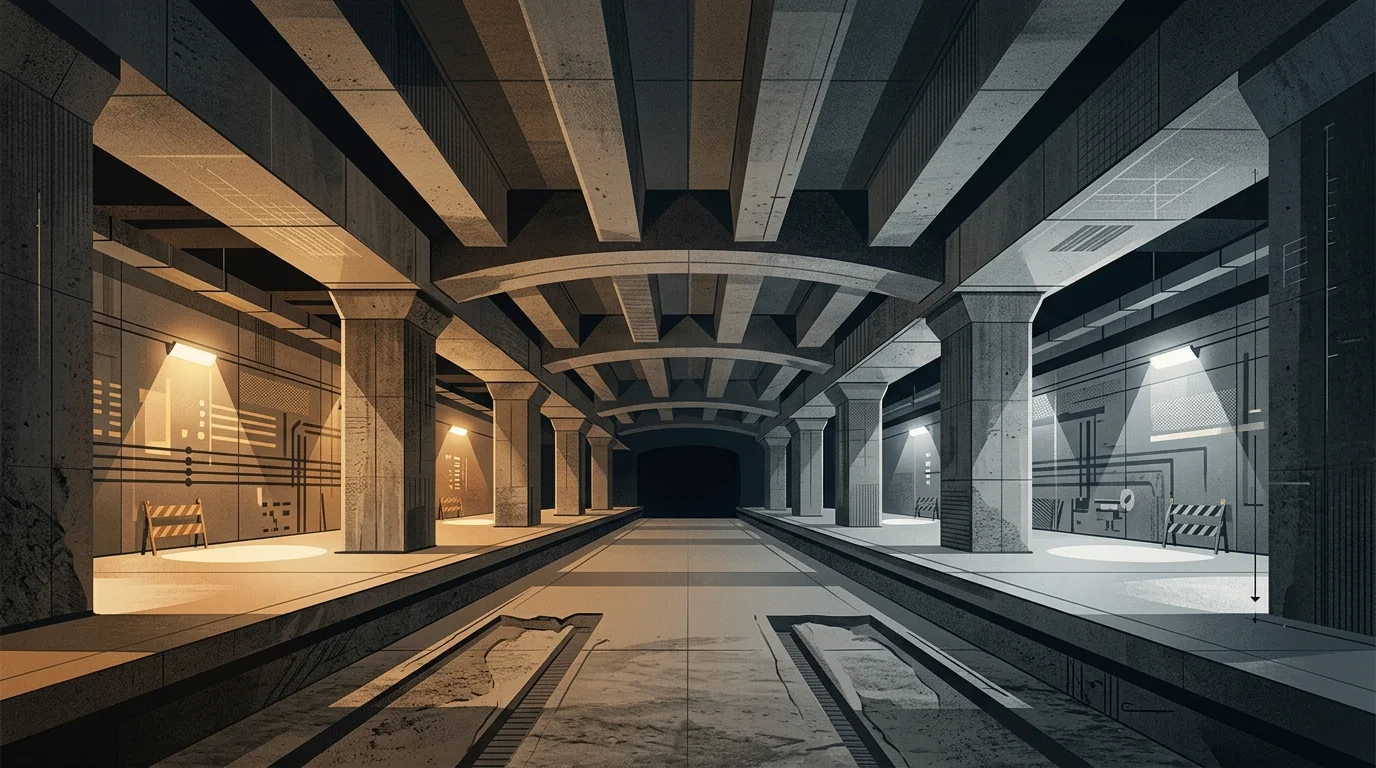
The Transbay Joint Powers Authority posted an RFP for the civil and tunnel construction package on Aug. 12, covering what is by far the largest single procurement in the Downtown Rail Extension program. The work includes cut-and-cover tunneling under Second Street and connecting into the underground train box already built beneath the transit hub.
The project has been in the works since the 1990s, when planners envisioned the rebuilt Transbay Terminal as the West Coast's answer to Grand Central. The transit center itself opened in 2018, then closed for nine months after cracked steel beams were discovered weeks later. The rail tunnel, Phase 2 of that vision, has watched its cost estimate climb from $2.6 billion in 2012 to more than $8 billion today, while its construction start date kept slipping.
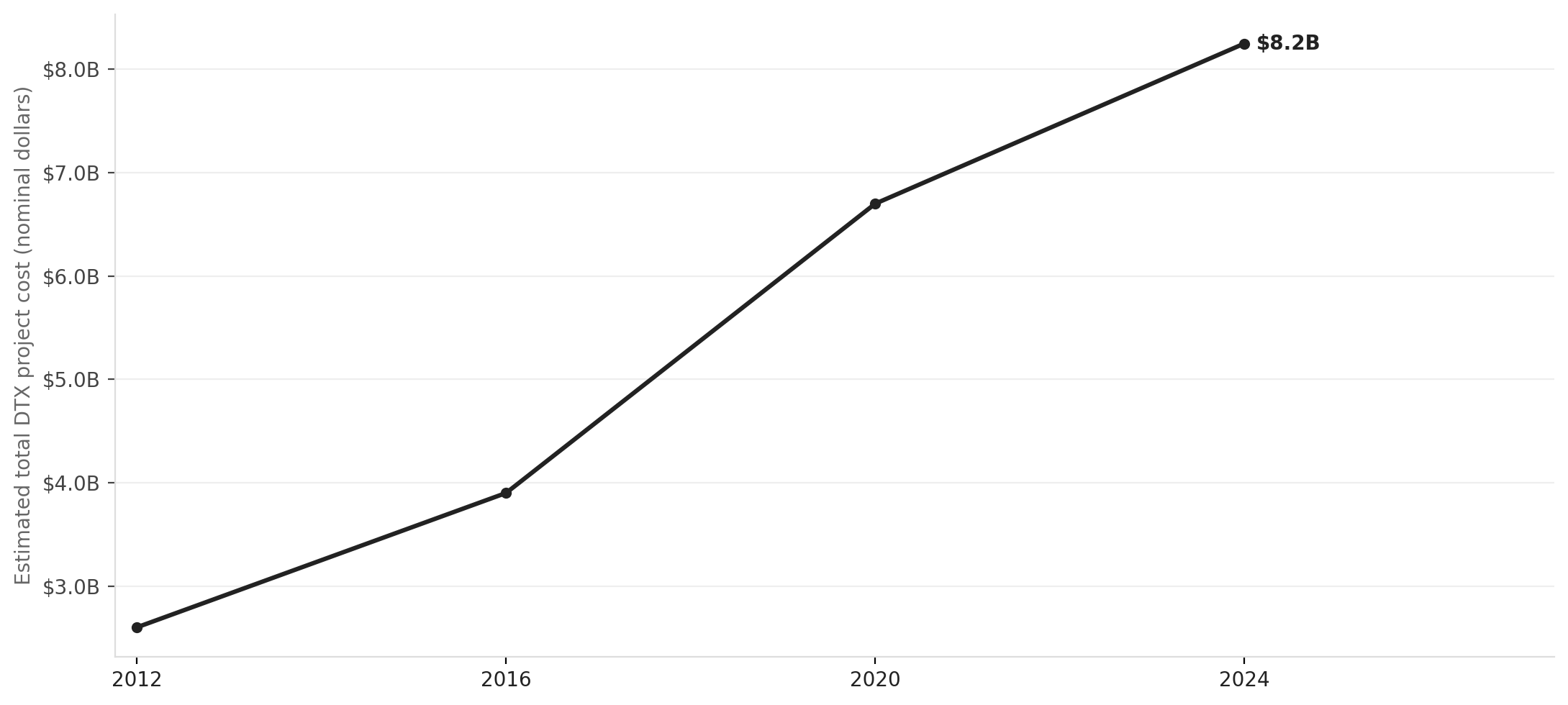
Source: NationGraph.
The stakes go well beyond San Francisco's commuters. Without this tunnel, California's $100-plus billion high-speed rail system would terminate at a Caltrain yard four blocks from the financial district rather than in the heart of downtown. The DTX is the missing link the entire state's intercity rail vision depends on.
TJPA cleared a major funding hurdle in 2023 when the project entered the Federal Transit Administration's Capital Investment Grants pipeline, which could provide up to roughly $4 billion in federal matching funds. Securing that money in the current federal climate, which has been skeptical of large coastal transit projects, remains an open question.
The agency is using a progressive design-build model, a relatively new approach for California transit agencies, in which the contractor partners on design before locking in a price. TJPA chose that path amid the disputes and overruns that dogged Phase 1's more traditional procurement.
For Mayor Daniel Lurie, who took office in January 2025 and has made downtown revitalization a signature priority, the project is one of the largest capital bets tied to San Francisco's recovery from near-35-percent office vacancy and lagging transit ridership. The case for spending billions on a downtown rail tunnel is more contested now than it was a decade ago, but the redevelopment district surrounding the transit center was partly financed on the promise that trains would eventually arrive.
Whether a contractor selection actually leads to groundbreaking will depend on keeping costs in check, maintaining the federal funding relationship, and resolving lingering debates over tunnel design. For now, the procurement clock is running.