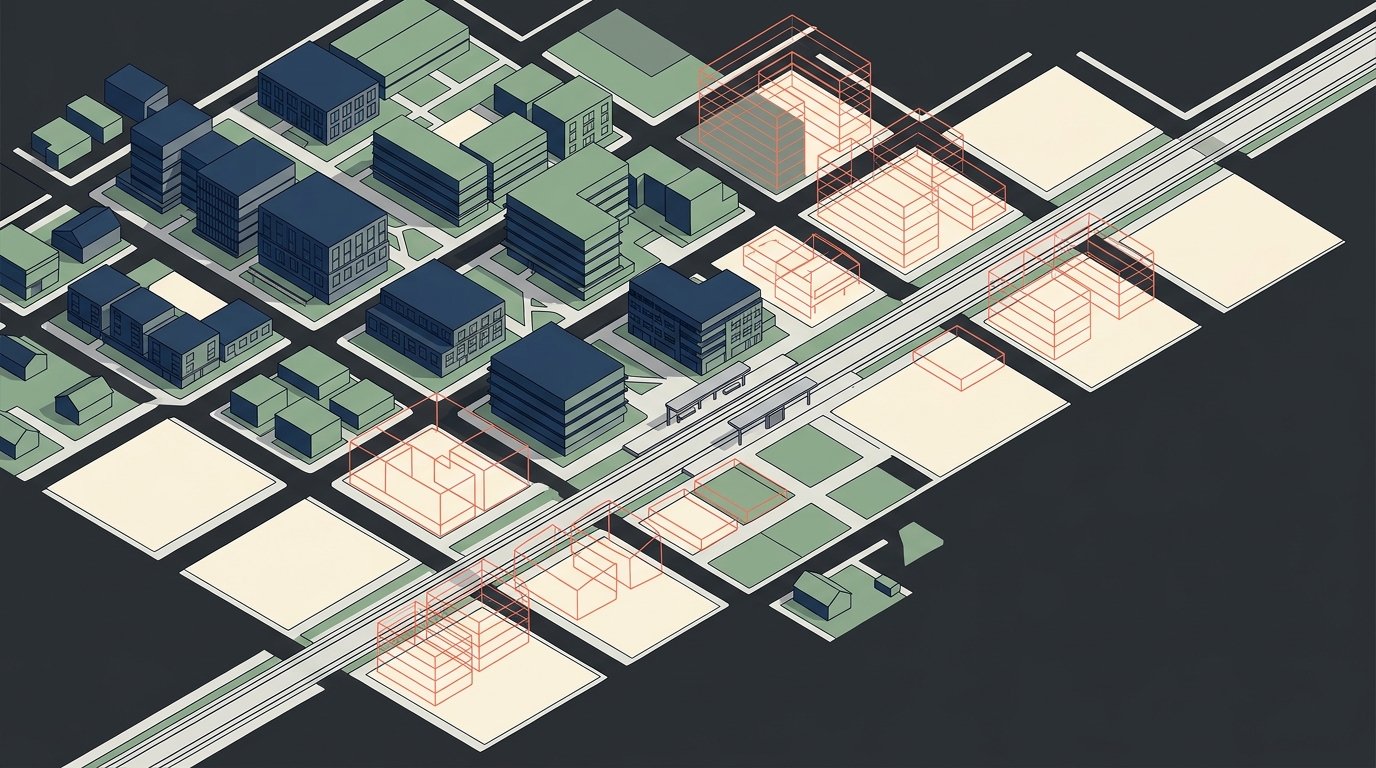
Minneapolis is moving to shape what gets built around future light rail stations in North Minneapolis before a single track is laid, soliciting private developers for transit-oriented projects along the planned Metro Blue Line Extension corridor.
The city's Community Planning and Economic Development department [issued the solicitation](javascript:submitAction_win0(document.win0,'SCP_COSP_WK_FL_DESCR$18')) this week, targeting station areas along the roughly 13.5-mile extension that would run northwest from downtown Minneapolis through North Minneapolis and into the suburbs of Robbinsdale, Crystal, Brooklyn Park, and Brooklyn Center. The project carries an estimated price tag of $2.4 billion and has been in planning, with significant detours, for nearly two decades.
The timing is deliberate. Minneapolis planners watched development lag in some areas after the Green Line opened in 2014 along University Avenue, and they've drawn hard lessons from the Rondo neighborhood in St. Paul, where longtime residents were displaced as property values climbed following transit investment. Locking in development commitments now, while the extension is still under construction preparation, is the city's attempt to steer who benefits.
The stakes are high in North Minneapolis, where the corridor runs through some of the city's most economically stressed neighborhoods with the highest concentrations of Black residents. Council members representing those wards have pushed for community benefits agreements and anti-displacement protections to accompany any development deals, making equity as central a question as density.
Minneapolis has a policy tailwind that didn't exist during earlier transit buildouts. The city's 2040 Comprehensive Plan, which survived legal challenges and made national headlines for eliminating single-family-only zoning citywide, explicitly upzoned areas near transit. A favorable 2023 Minnesota legislative session added statewide accessory dwelling unit legalization and new local housing aid. The city is also contending with a significant affordable housing shortfall and declining downtown commercial property values, increasing the urgency of getting residential development right around new infrastructure.
The Blue Line Extension itself is not yet a certainty. The project entered federal engineering review in 2017, was paused in 2020 after the Federal Transit Administration raised cost and ridership concerns, and was redesigned before re-entering the federal Capital Investment Grants pipeline under the Biden administration. Its funding remains dependent on federal appropriations, a vulnerability that has grown sharper under the current administration.
How Minneapolis responds to developer proposals, and what affordability conditions it attaches, will offer an early test of whether the city's progressive land use framework can translate into outcomes for the communities the Blue Line Extension was always meant to serve.