Federal grants carrying solar projects in Texas totaled $9.66 million in the trailing 90 days through October 2026, up 146 percent from $3.93 million in the same window a year ago. That surge is not a sign that Texas has warmed to clean energy policy. It is a sign of how narrow the surviving federal funding channel has become, and how hard municipal governments are working to stay inside it.
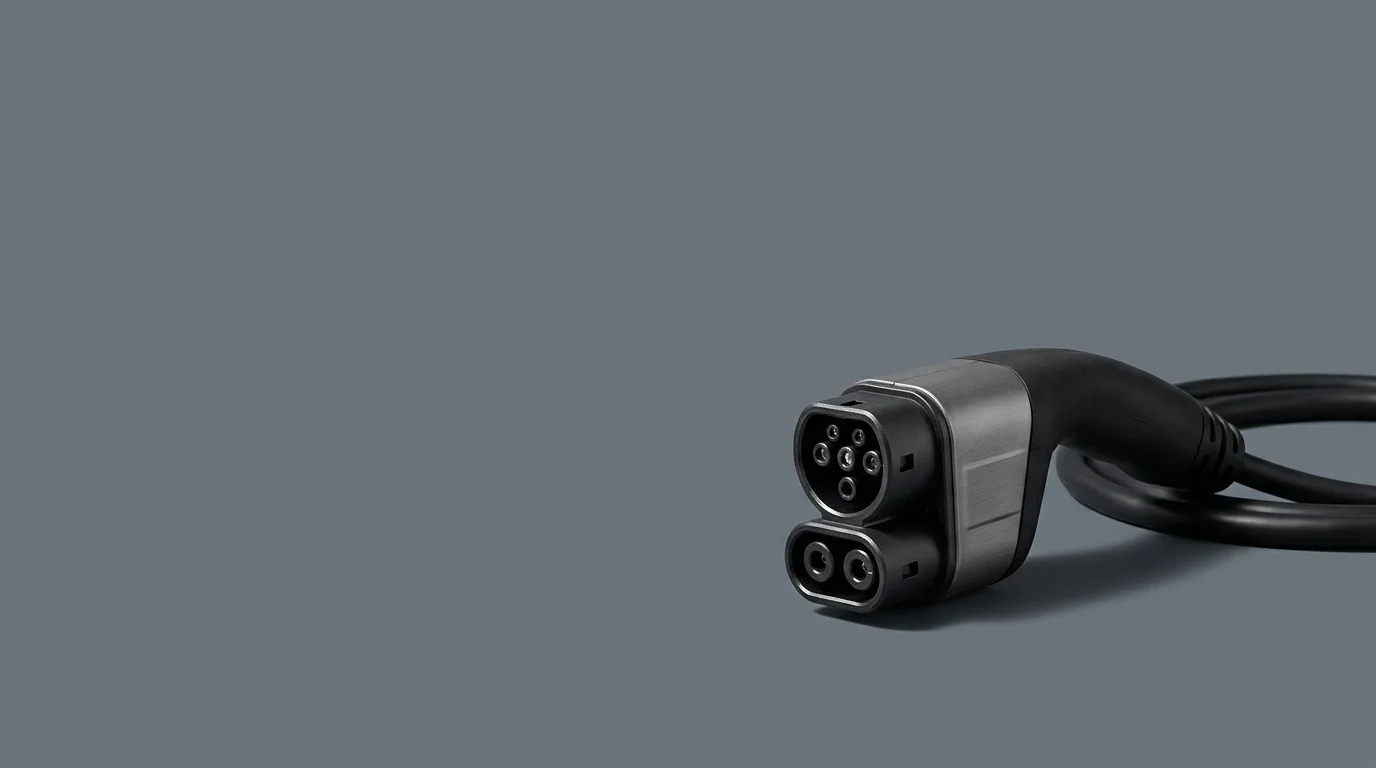
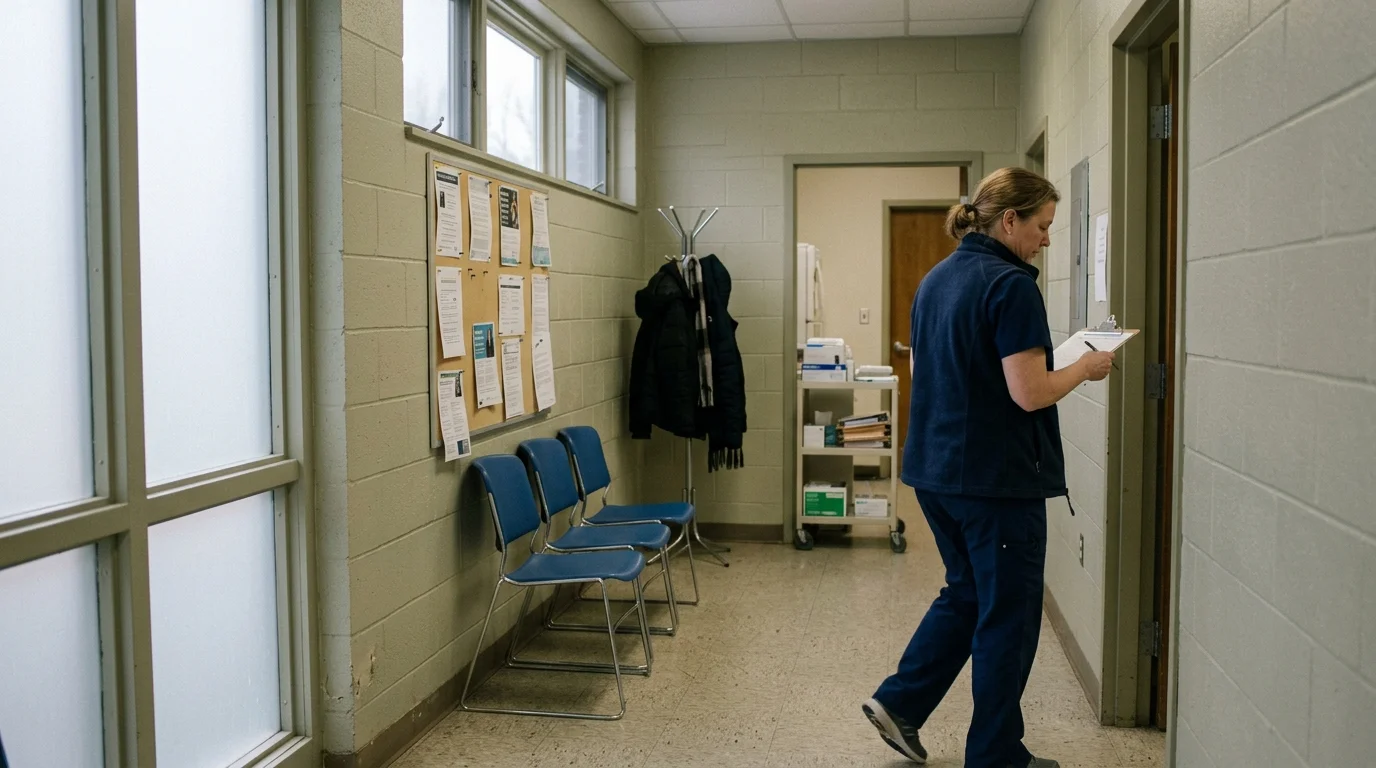
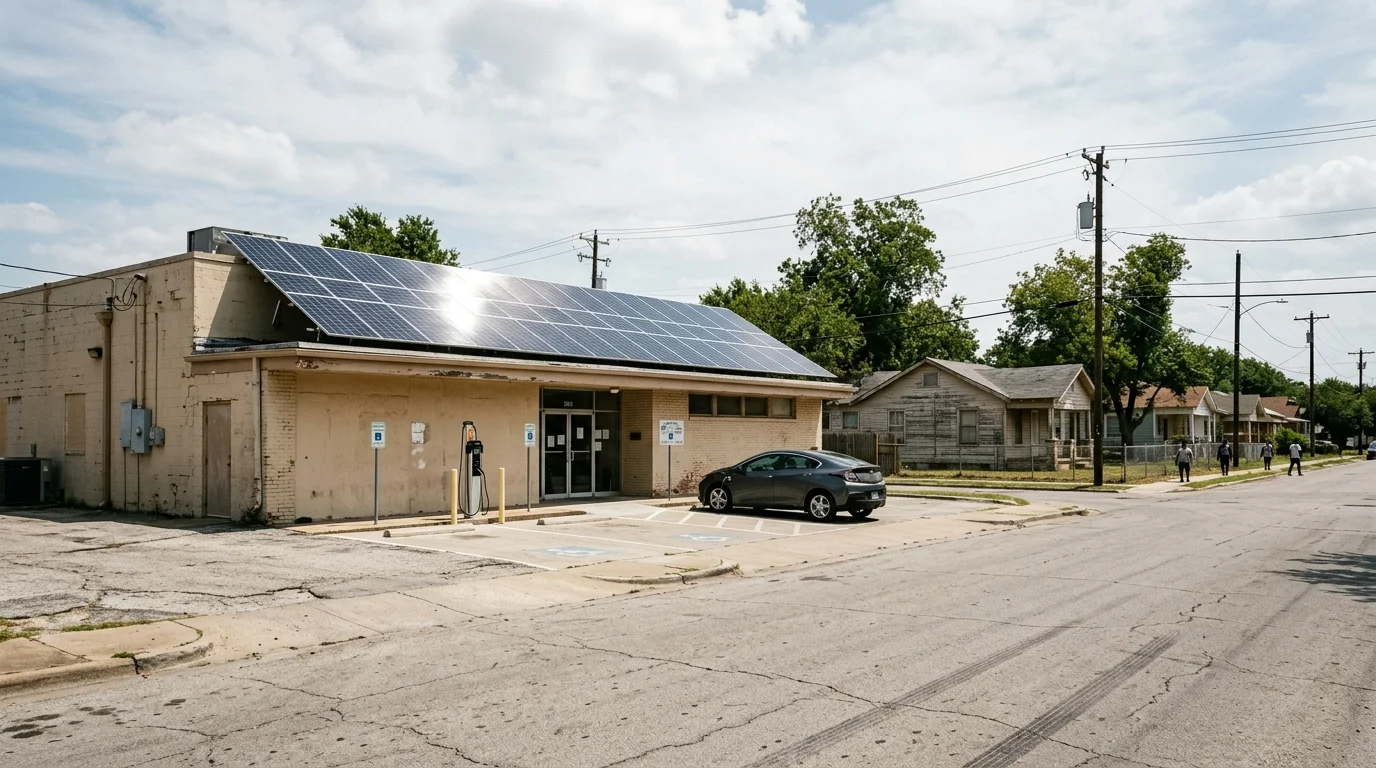
The clearest example is a $2 million DOE Renewable Energy Research and Development grant obligated October 1 to the City of Dallas, covering an 890-kilowatt rooftop solar array and EV charging stations at the Martin Luther King Jr. Community Center in South Dallas. The project has been in the works since at least 2023, when Dallas's Climate and Environmental Action Plan identified ten city-owned facilities for solar integration. The MLK Jr. grant is one of the few places in that plan where a federal dollar has actually landed.
The reason the timing matters is what has disappeared around it. The One Big Beautiful Bill Act, signed July 4, 2025, eliminated the Section 25D residential solar tax credit for systems placed in service after December 31, 2025. It also set a hard construction-start deadline of July 4, 2026 for commercial projects seeking the Section 48E investment tax credit. As analysts tracking the commercial ITC noted at the time, the law effectively compressed private-market incentives into a closing window. That window has now shut for most project types.
On the state side, Texas has blocked a separate avenue entirely. The state government declined to implement the IRA's HEAR and HOMES consumer energy rebate programs, leaving an estimated $690 million in potential consumer energy funds unclaimed and citing preference for market-based solutions. Texas also has no statewide solar tax credit and no mandatory net metering law. The state comptroller's office has acknowledged the IRA funding gap without signaling a change in position.
What remains for municipal governments is the DOE's appropriations-funded grant programs: the Energy Efficiency and Conservation Block Grant, which flows formula dollars to cities for clean energy upgrades, and the Renewable Energy Research and Development grants administered through DOE's Office of Energy Efficiency and Renewable Energy. These programs were never part of the tax code, so the One Big Beautiful Bill Act did not touch them. They also survived the Trump administration's January 2025 funding freeze, which a series of federal court rulings partially reversed, allowing previously obligated grants to proceed. The Dallas MLK Jr. grant is one of those released commitments.
The 90-day total of $9.66 million includes a $4.92 million City of Amarillo DOT transit formula grant and a cluster of university research awards where solar appears in grant language but is not the primary project purpose. The DOE Dallas grant is the only commitment in the period where solar installation is explicitly the deliverable. Across all active Texas solar-keyword grants still running, the portfolio totals approximately $60.3 million across 49 awards, led by DOE at $24 million.
Texas ranks fourth nationally in new solar-keyword federal grant starts over the trailing 90 days, behind Florida at $18 million, New York at $17.1 million, and California at $11.7 million. That placement is notable given that Texas has one of the most restrictive public-sector solar incentive environments in the country. The state's private solar market is large and growing, with more than 7 gigawatts of new residential and commercial solar added in 2025, but that growth runs through utility programs and, until recently, federal tax incentives that no longer exist for new residential projects. The federal grant channel this finding tracks is a separate and much smaller pipe, concentrated in municipal resilience hubs and community centers in lower-income urban neighborhoods.
For cities like Dallas, the practical question now is how many more projects from the 2023 solar siting plan can be funded before this channel narrows further. The EECBG formula grants are disbursing through 2026 under existing obligations, but congressional reauthorization of the underlying appropriations is not guaranteed. The DOE competitive grant cycle for fiscal year 2027 has not been announced.
The next signal to watch is whether DOE opens a new Renewable Energy R&D grant solicitation before the end of the current fiscal year and whether Texas municipalities, which have shown they can move quickly when a grant arrives, have projects queued to receive it.