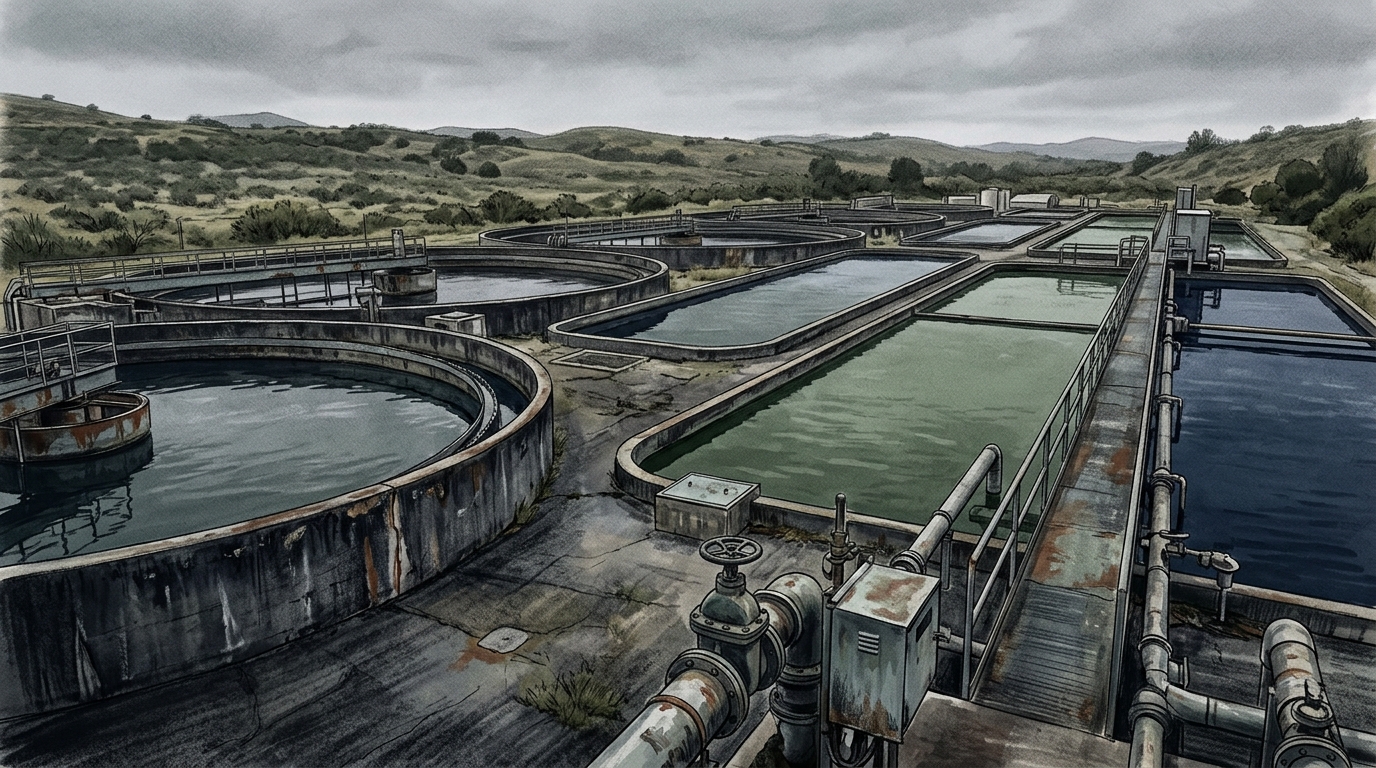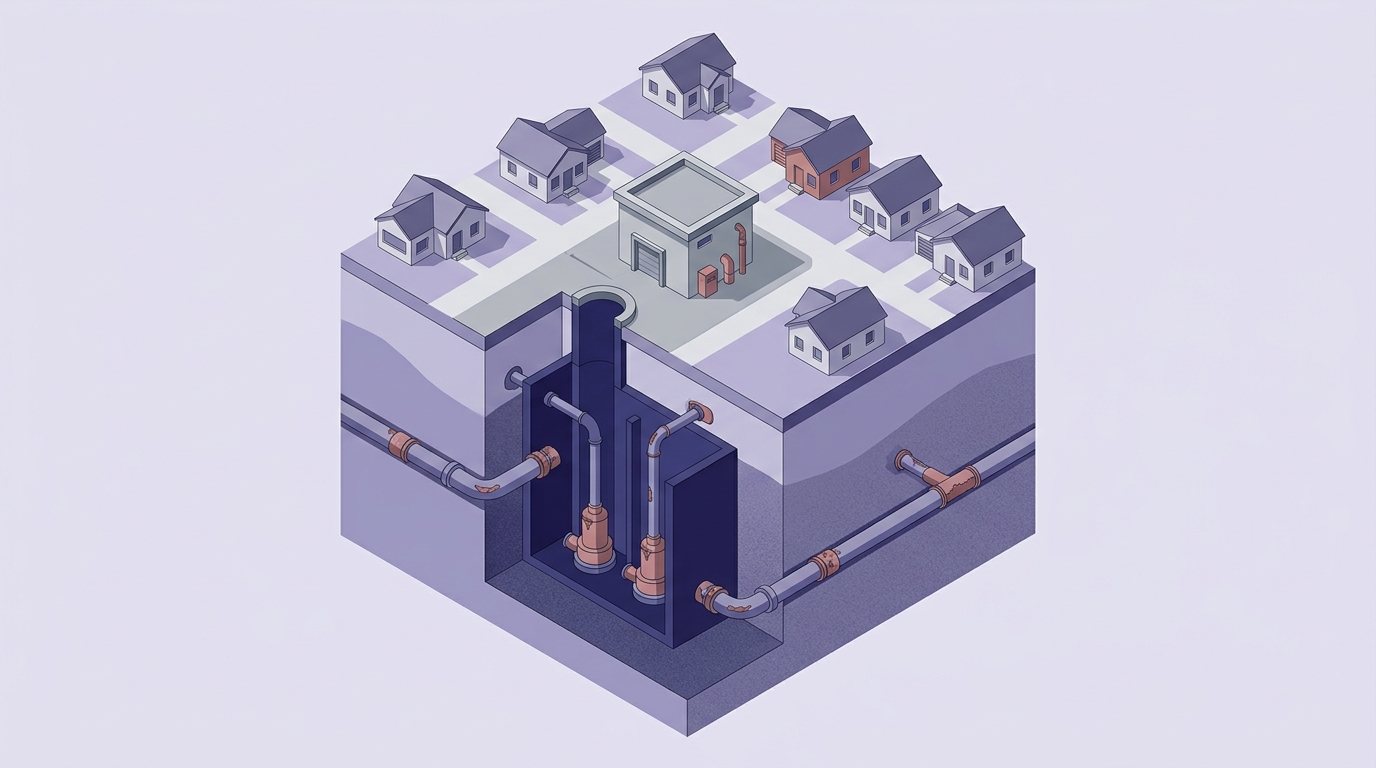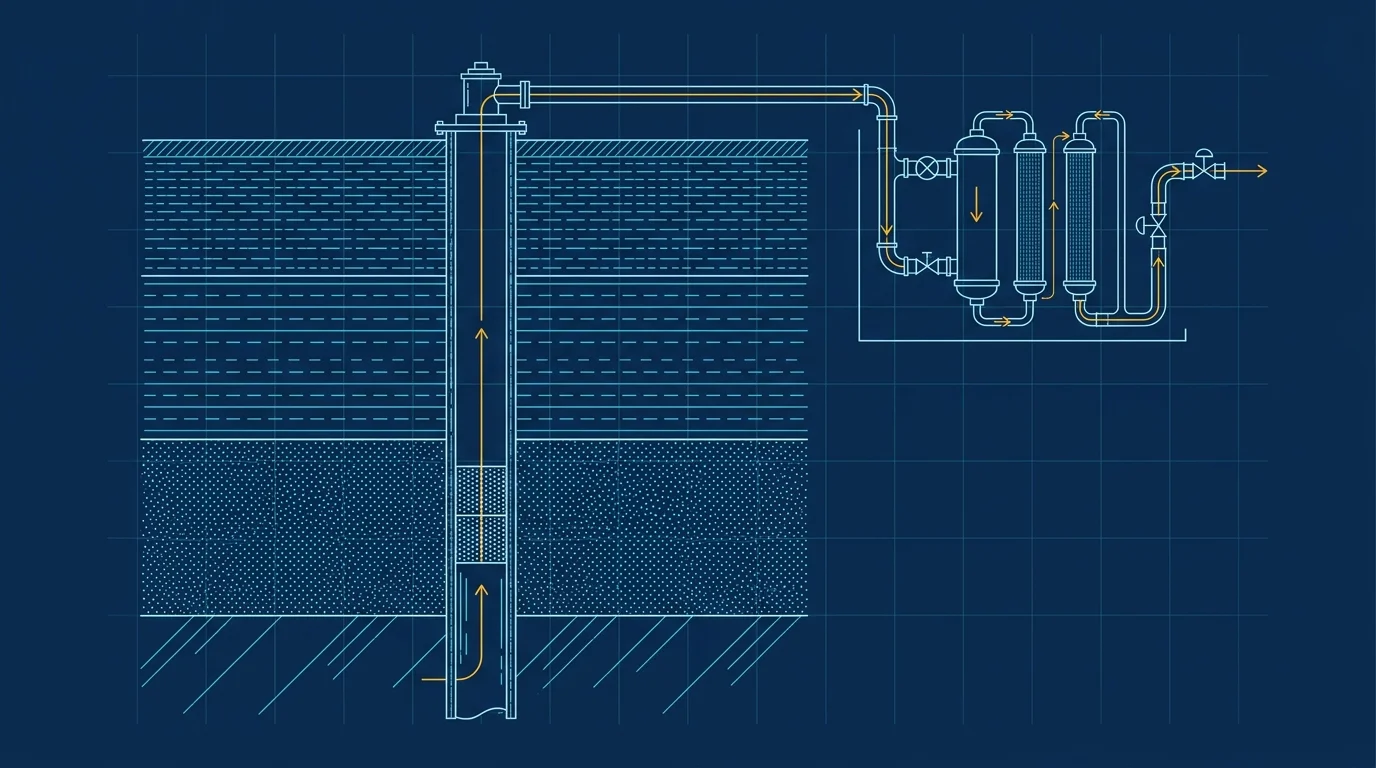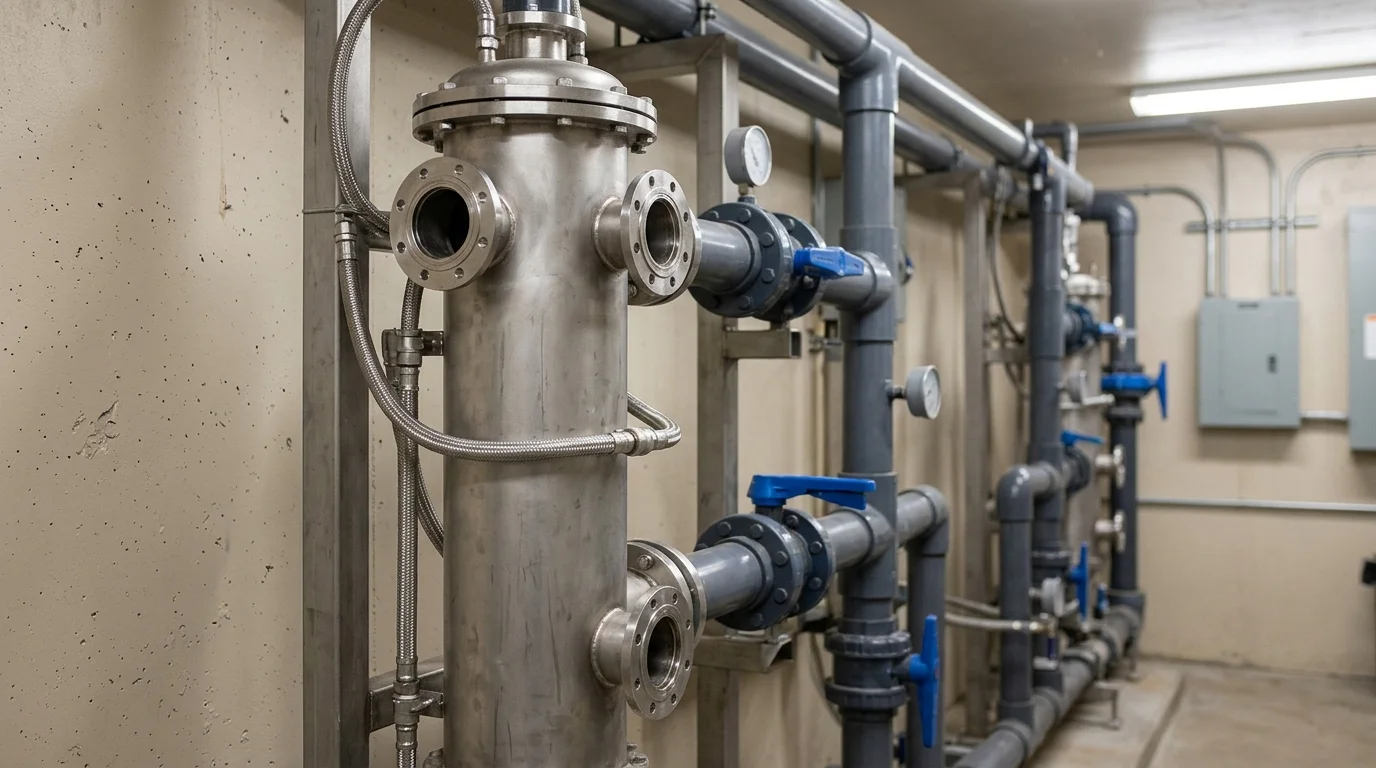
Suffolk County, New York, sits on top of its only source of drinking water: a sole-source aquifer beneath Long Island that supplies about 1.2 million residents and has no backup. For decades, that aquifer has absorbed industrial solvents, pesticides, gasoline additives, and a newer category of contaminants that regulators now call "forever chemicals." The Suffolk County Water Authority is now moving to treat another contaminated well, this time at its Lawrence Road site, where it is seeking contractors to install an Advanced Oxidation Process system.
AOP technology, which combines ultraviolet light with hydrogen peroxide, is the only method the EPA recognizes as effective at destroying 1,4-dioxane, a likely human carcinogen that ordinary carbon filtration cannot remove. Federal monitoring first identified Long Island as having some of the highest 1,4-dioxane levels in the country in 2013. New York State responded in 2020 by becoming the first state to set an enforceable limit for the chemical, at 1 part per billion, forcing utilities to either treat their wells or shut them down. The EPA followed in April 2024 with the first-ever federal standards for PFAS compounds, tightening the regulatory clock further.
SCWA has responded more aggressively than almost any other utility in the country. The authority has committed to installing AOP systems at every well where contamination exceeds state or federal limits, a capital program that now tops $800 million. The Lawrence Road project is one piece of that rolling buildout. Individual AOP installations typically run $2 million to $6 million per well, plus ongoing costs for hydrogen peroxide and UV lamp replacement, much of it passed to ratepayers through a dedicated water quality treatment charge on their bills.
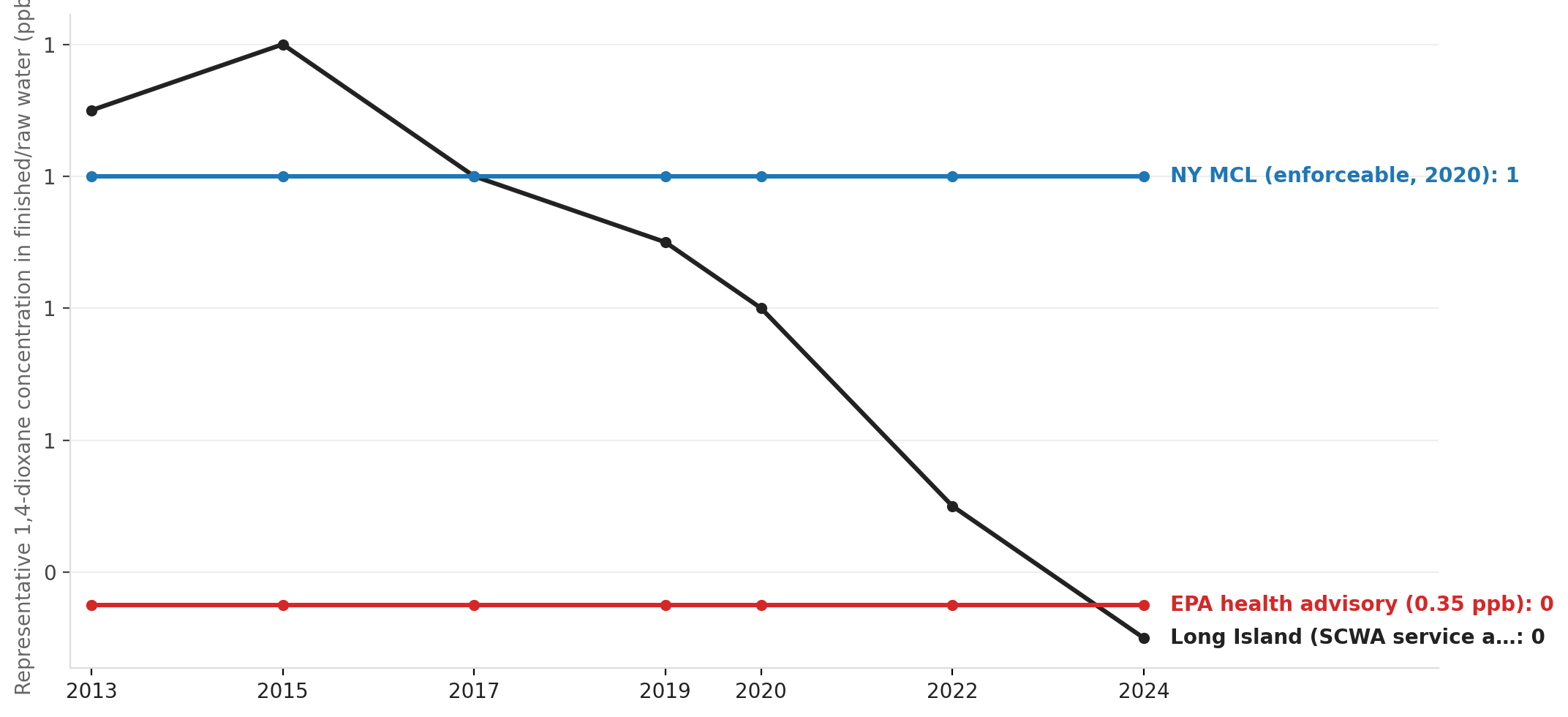
Source: NationGraph.
The authority has also pursued the companies it holds responsible. SCWA sued Dow, DuPont, 3M and other manufacturers in 2017 over contamination from 1,4-dioxane and PFAS. Settlements had exceeded $180 million as of 2023-2024, with funds directed toward treatment infrastructure.
The solicitation for the Lawrence Road AOP installation was posted July 9, 2026. A contract value and construction timeline have not been publicly disclosed.