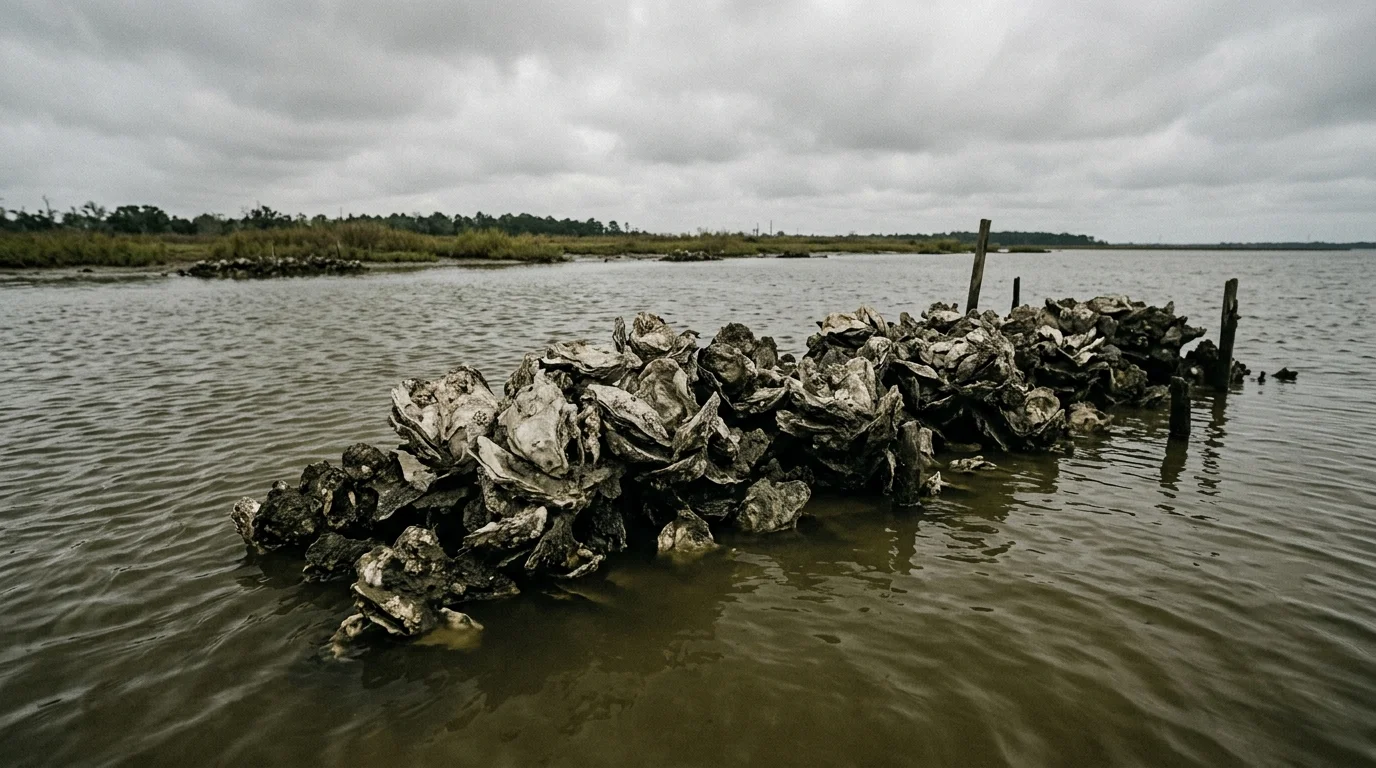
Manatee County, Florida is moving to rebuild its oyster reefs, hiring contractors to restore the natural filters and wave barriers that once lined its Gulf Coast bays before decades of pollution, overharvesting and disaster stripped them away.
The county posted a solicitation for its Oyster Restoration Project on June 17, seeking a contractor to rebuild reefs in the Tampa Bay and Sarasota Bay watersheds. The full project budget and target acreage were not disclosed in the posting.
The timing reflects how much has gone wrong in Manatee County's waters in a short span. In 2021, the Piney Point disaster sent 215 million gallons of nutrient-laden wastewater from a defunct phosphate plant into Tampa Bay through a county outfall, triggering a red tide bloom that contributed to manatee and dolphin die-offs. Seagrass in Sarasota Bay hit record lows in 2022 and 2023. Then Hurricanes Helene and Milton tore through in fall 2024, flooding coastlines and shredding seawalls across the county.
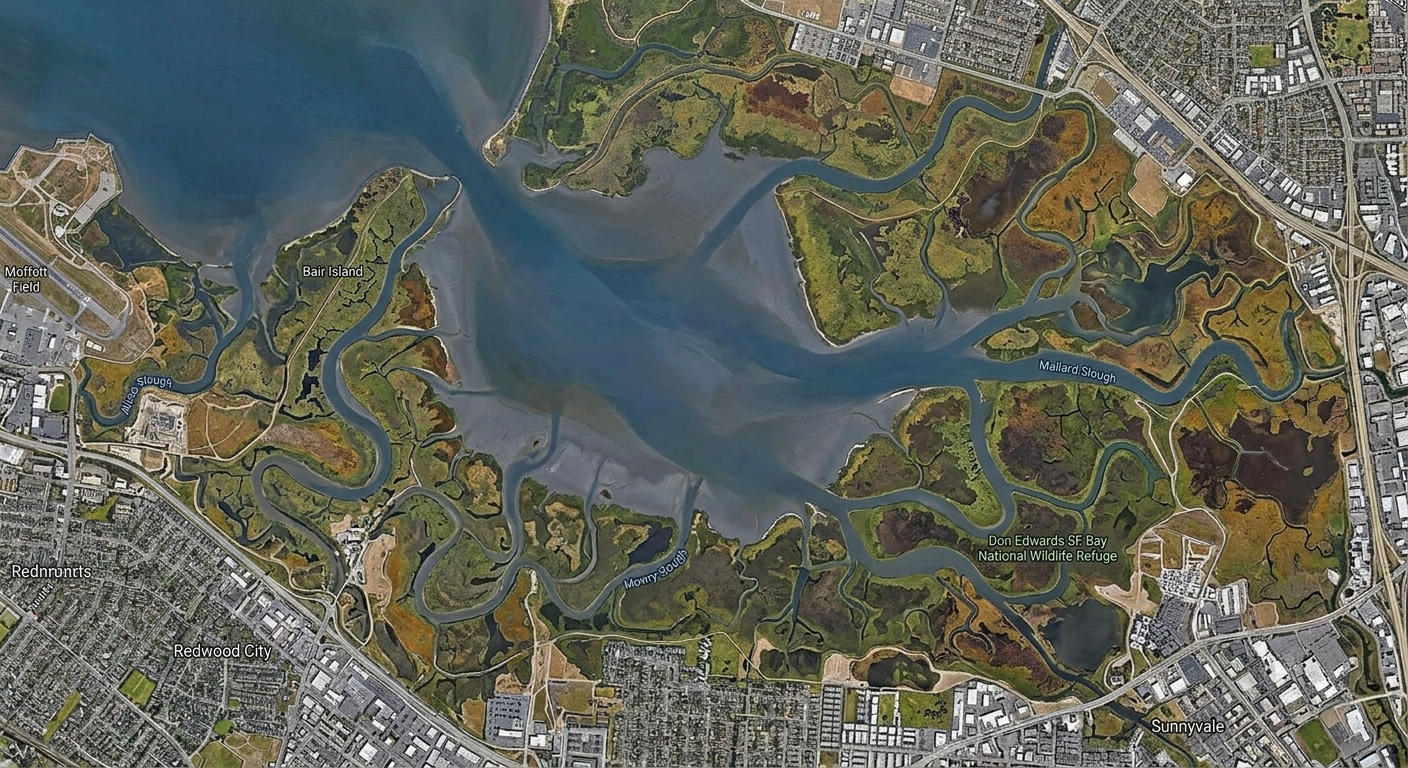
Oysters sit at the center of the recovery strategy for good reason. A single adult oyster filters up to 50 gallons of water per day, pulling out the excess nitrogen and phosphorus that feed algae blooms. Reefs also absorb wave energy, slowing erosion along shorelines that have otherwise been hardened with concrete. Florida has lost an estimated 85% of its historical oyster habitat, part of what scientists describe as one of the worst marine ecosystem collapses globally.
Manatee County's effort is part of a broader Gulf Coast restoration wave funded through the federal RESTORE Act, NOAA habitat grants backed by the Bipartisan Infrastructure Law, and Florida's Resilient Florida program. The approach, often called living shorelines, is gaining ground as coastal counties look for alternatives to seawalls that can withstand intensifying storms without worsening erosion elsewhere.
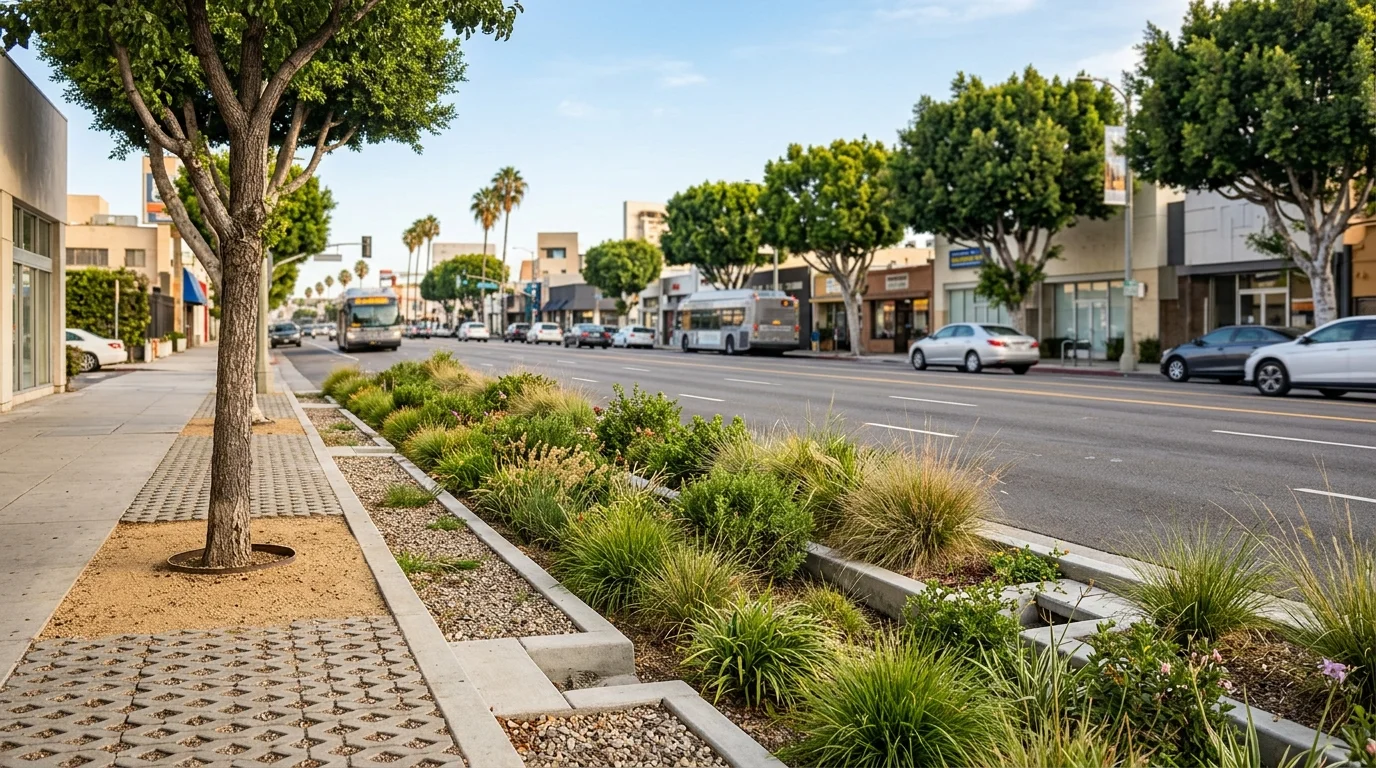
For a county of 430,000 residents growing as fast as almost anywhere in Florida, the project also addresses pressures the growth itself creates: stormwater runoff from new development, backlogs in converting septic systems to sewer, and the steady hardening of natural shorelines.
A contractor selection has not yet been announced. The full scope of the restoration, including target locations and reef construction methods, is expected to be detailed in the complete solicitation.