Springfield, Missouri has more than 33 drug and alcohol rehabilitation centers, a city health department, a county overdose fatality review team, and 82 documented overdose deaths in 2024 alone, and until last month, no one had produced a reliable map of how any of those resources connected to each other. On September 28, 2026, Springfield City Council approved $500,000 in opioid settlement funds to hire a consultant to build one.
The money comes from the national opioid litigation settlements with distributors and pharmacy chains, channeled to local governments as direct abatement dollars. It is not a federal grant. That distinction matters: Springfield did not wait for Washington to fund this. The city used its own share of the settlement proceeds to confront something its own reviewers had been documenting for two years.
The Greene County Overdose Fatality Review team, launched in 2024, has examined more than 40 overdose deaths. Its findings, case after case, pointed to the same structural failure: people who needed care could not reliably access it, and when they did, transitions between providers broke down. The problem was not always an absence of services. It was the absence of anyone who knew, in real time, what existed and where. Greene County recorded 581 drug intoxication deaths over five years. Springfield's 82 in 2024 alone put that number in sharper relief.
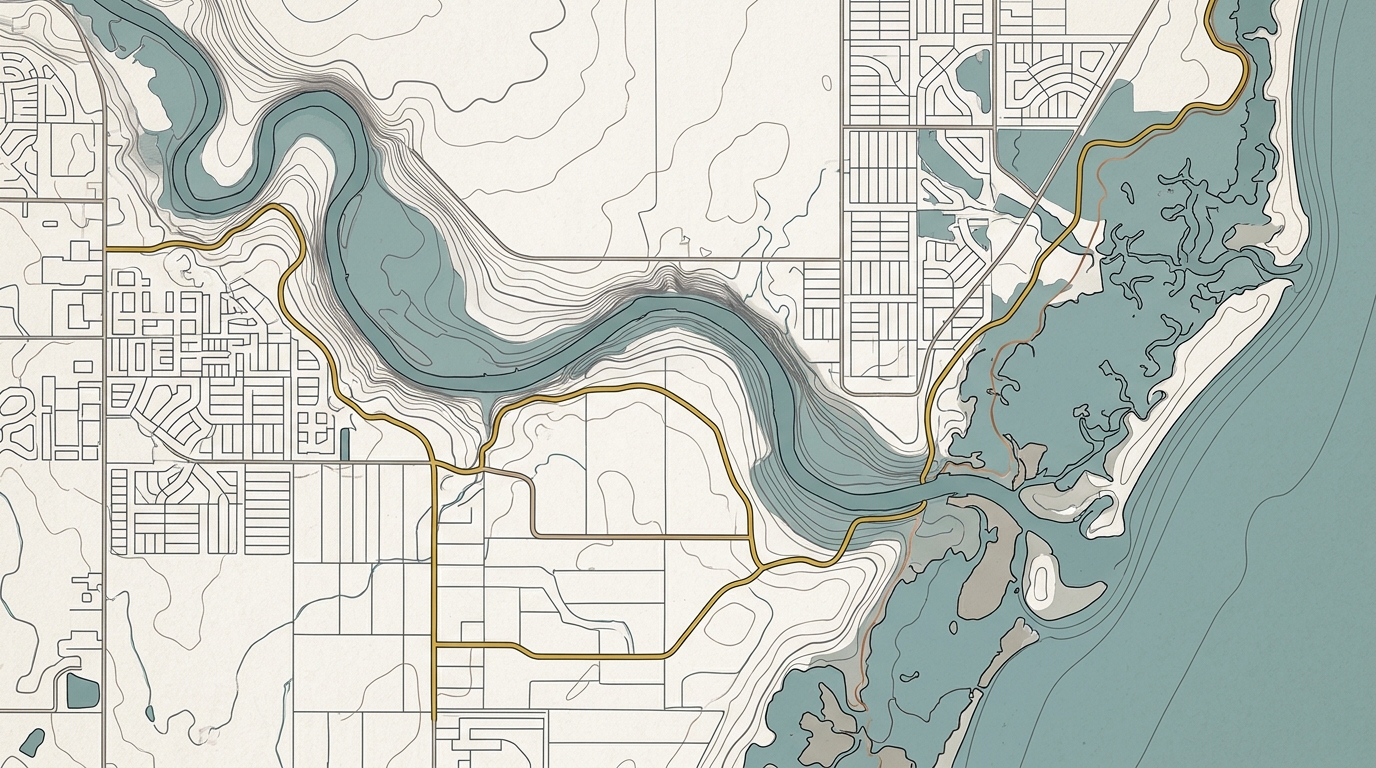
The RFP the city issued, labeled #012-2027, calls for a comprehensive asset map covering every level of mental health and substance use care in Greene County: detox, residential treatment, outpatient services, peer support, crisis stabilization, and everything in between. As Missouri Policy Initiative has documented, Missouri has no interactive, consistently-updated statewide behavioral health resource directory, leaving individual counties to either build their own or go without. Springfield is choosing to build.
This is less a spending story than an admission. A city with one of the highest mental health service utilization rates in the Ozarks region, roughly 1.5 times the broader regional average, according to the Ozarks Health Commission, has been operating without a reliable picture of its own care infrastructure. The $500,000 is the price of finally looking.
The settlement dollars funding the RFP are part of a larger flow. Missouri is projected to receive up to $894 million in opioid settlement funds through 2038, with $79.4 million already appropriated to the state's Opioid Addiction Treatment and Recovery Fund for fiscal year 2026. Greene County disbursed nearly $258,000 from its own settlement share to six local organizations between October 2 and 5, 2026, including NAMI Southwest Missouri, the Greene County Treatment Court, and the Springfield Victory Mission. The asset mapping RFP sits alongside those direct service grants, but serves a different function: it is infrastructure for the system rather than a program within it.
Separately, Missouri's Department of Mental Health received a $4.71 million SAMHSA federal grant starting September 30, 2026, for 988 Suicide and Crisis Lifeline services, running through 2029. That award is part of a $383.4 million national HHS/SAMHSA package announced on September 8, 2026, what the agency designated '988 Day', targeting crisis line capacity, mobile crisis teams, and suicide prevention at the state level. A third stream, a $16.5 million SAMHSA community mental health block grant active through September 2027, funds ongoing services through Missouri DMH. All three funding sources are distinct in origin and purpose, and none of them pay for Springfield's map.
The timing of all this activity coincides with a measurable shift in outcomes. A 2026 Community Focus Report found Greene County's overdose fatality rate dropped 44 percent between 2024 and 2026, equivalent to roughly 62 fewer deaths per year. The same report flagged substance use and suicide mortality as continuing red flags. Progress and a persistent gap exist at the same time, which is precisely the condition that makes a system-level map more useful than another round of program grants.
What changes for someone living in Greene County depends on what the consultant delivers. If the asset map is built and maintained, a first responder or a patient navigating a crisis will have a real-time directory rather than an outdated pamphlet or a phone chain. The Overdose Fatality Review team will have a baseline against which to measure whether gaps close. Future settlement dollars will have a documented landscape to target.
The consultant selection process is still open. Watch for the award announcement from the Springfield-Greene County Health Department, and for whether the completed map becomes a public-facing tool or an internal administrative document. That choice will determine whether $500,000 buys accountability or a binder.