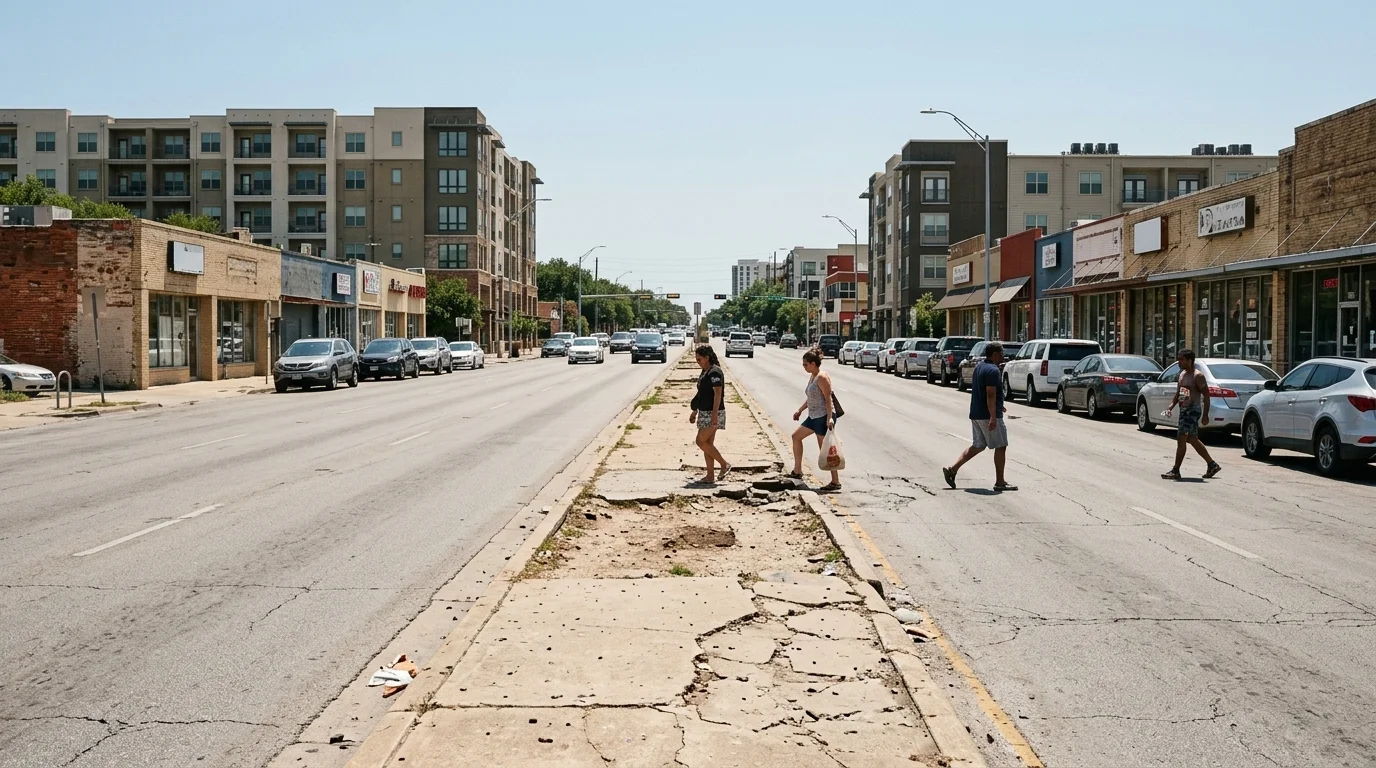
South Lamar Boulevard in Austin, Texas has spent decades growing from a two-lane farm road into one of the city's densest corridors, adding apartments, bars, and restaurants while the sidewalks, drainage, and transit infrastructure never caught up. That's about to change.
Austin is moving to hire a construction contractor for a full corridor rebuild of South Lamar from US 290 to Montclaire Street, roughly 1.5 miles of roadway through the Zilker and Barton Hills neighborhoods. The project is listed on the city's bid portal and is among the most substantial street rebuilds the city has undertaken in recent memory.
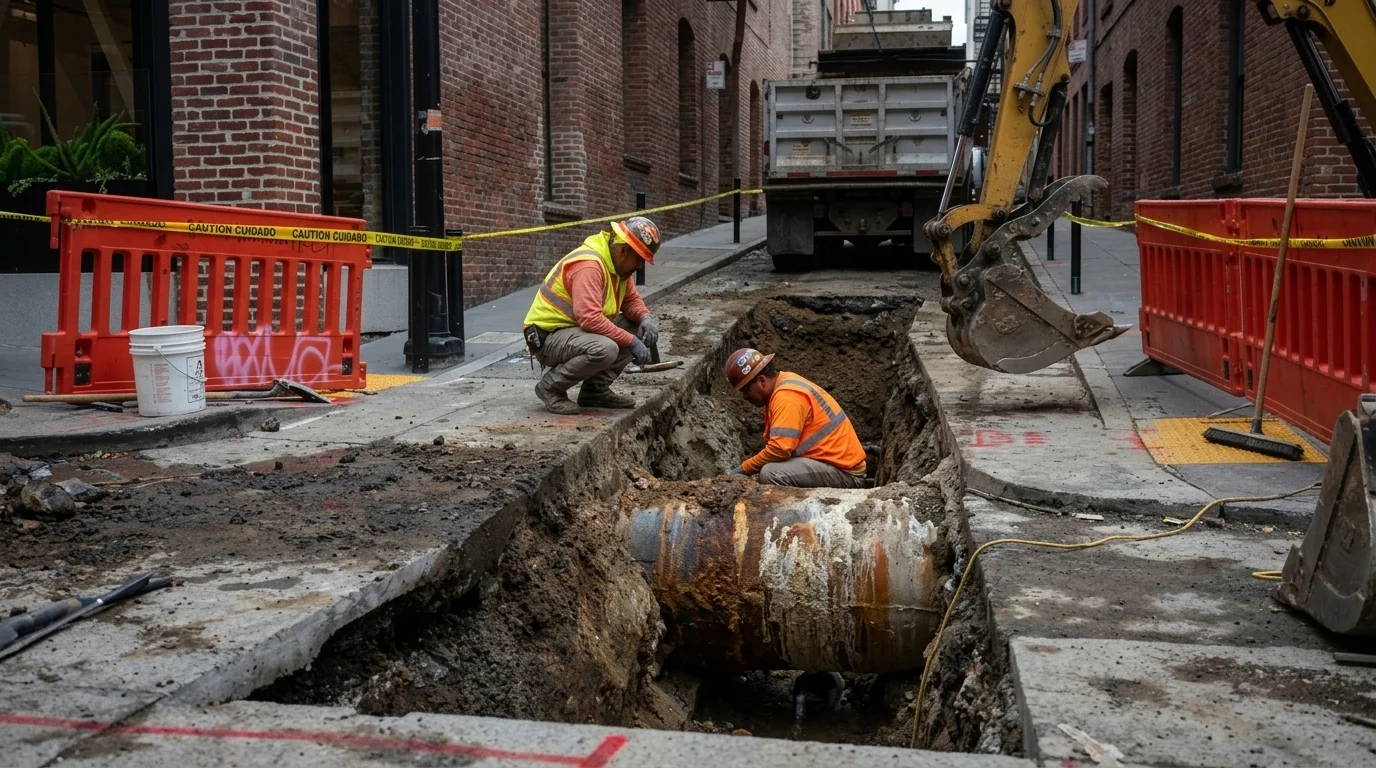
The work touches nearly every layer of the street. Car lanes will narrow as curbs shift inward to make room for ADA-compliant shared-use paths, dedicated bike lanes, and wider sidewalks. Bus stops will be relocated and rebuilt to align with CapMetro's expanding rapid transit network. Underground, crews will replace aging storm drain, water, and wastewater lines. Above ground, the project adds rain gardens, tree plantings, and irrigated planting zones designed to slow and filter stormwater before it reaches Barton Creek, a particularly sensitive priority under the Barton Springs watershed rules that govern development across this part of the city.
The project is a long time coming. Austin voters approved the $482 million 2016 Mobility Bond to remake seven high-congestion, high-crash arterials into what planners call Complete Streets, roads designed for buses, bikes, and pedestrians alongside cars. South Lamar was one of the first corridors identified, in part because it repeatedly ranks among the city's highest-injury roads. Austin adopted a Vision Zero policy that same year, pledging to eliminate traffic deaths, but fatalities climbed through 2021 and 2023 even as the bond program worked through design and permitting. The slow pace of delivery has become a political liability, and Mayor Kirk Watson has made accelerating stalled projects a stated priority since returning to the mayor's office in 2023.
Flood risk has added urgency. The 2018 Halloween floods and repeated flash-flood events pushed Austin's Watershed Protection Department to bundle green stormwater infrastructure into major road rebuilds citywide, using updated Atlas 14 rainfall standards adopted in 2019. On South Lamar, the rain gardens aren't an afterthought: they're load-bearing infrastructure for a corridor that drains toward Barton Springs.
For residents in the dense blocks between US 290 and Montclaire, the project will mean months of construction disruption on one of the city's busiest commercial streets, home to the Broken Spoke, the Alamo Drafthouse South Lamar, and a growing wall of mid-rise apartment buildings. Businesses along the corridor have raised concerns about parking and access in earlier phases of the broader bond program.
With bids set to open Aug. 13, 2026, the timeline for breaking ground and finishing construction has not yet been made public.