San Francisco is moving forward with the most technically demanding piece of its long-stalled downtown rail tunnel, putting the underground civil and tunneling work out to bid as the project pushes toward construction after more than two decades of delays and cost growth.
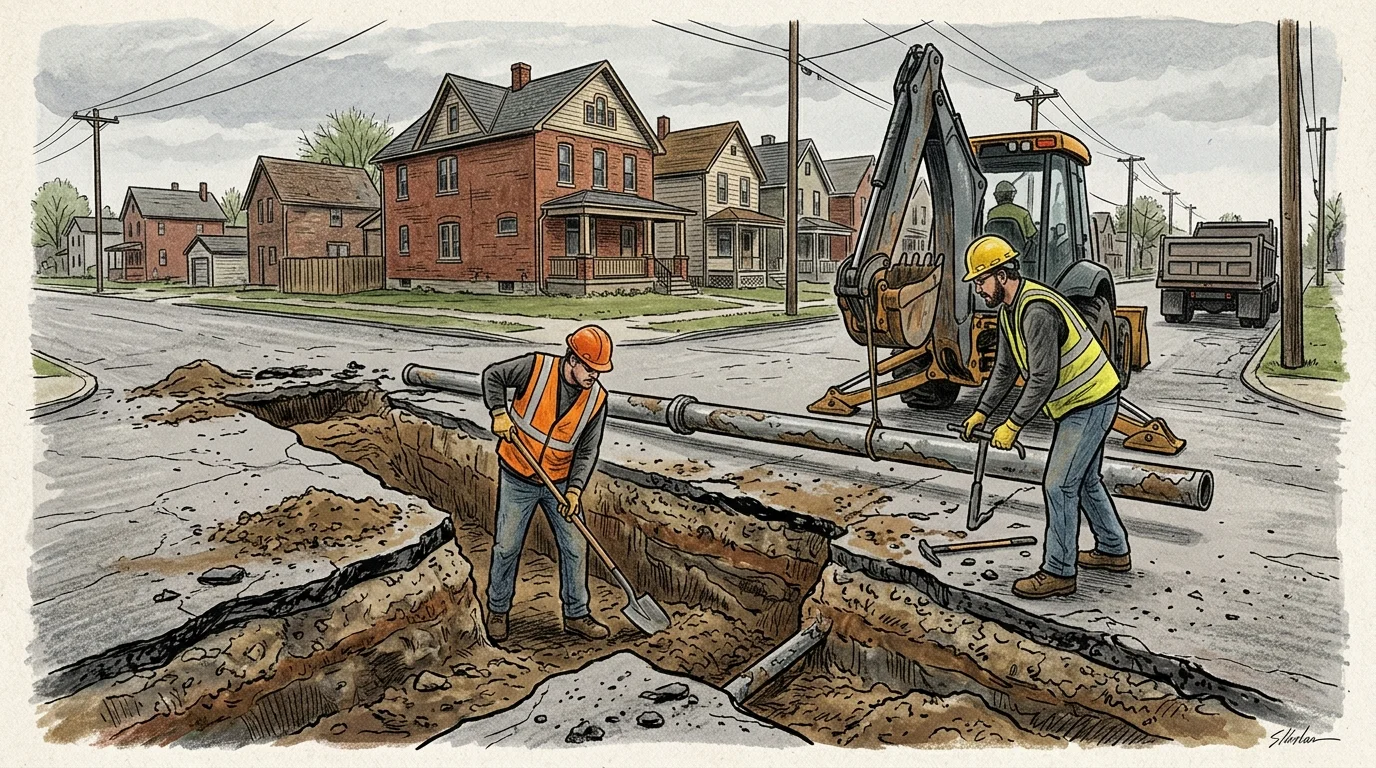
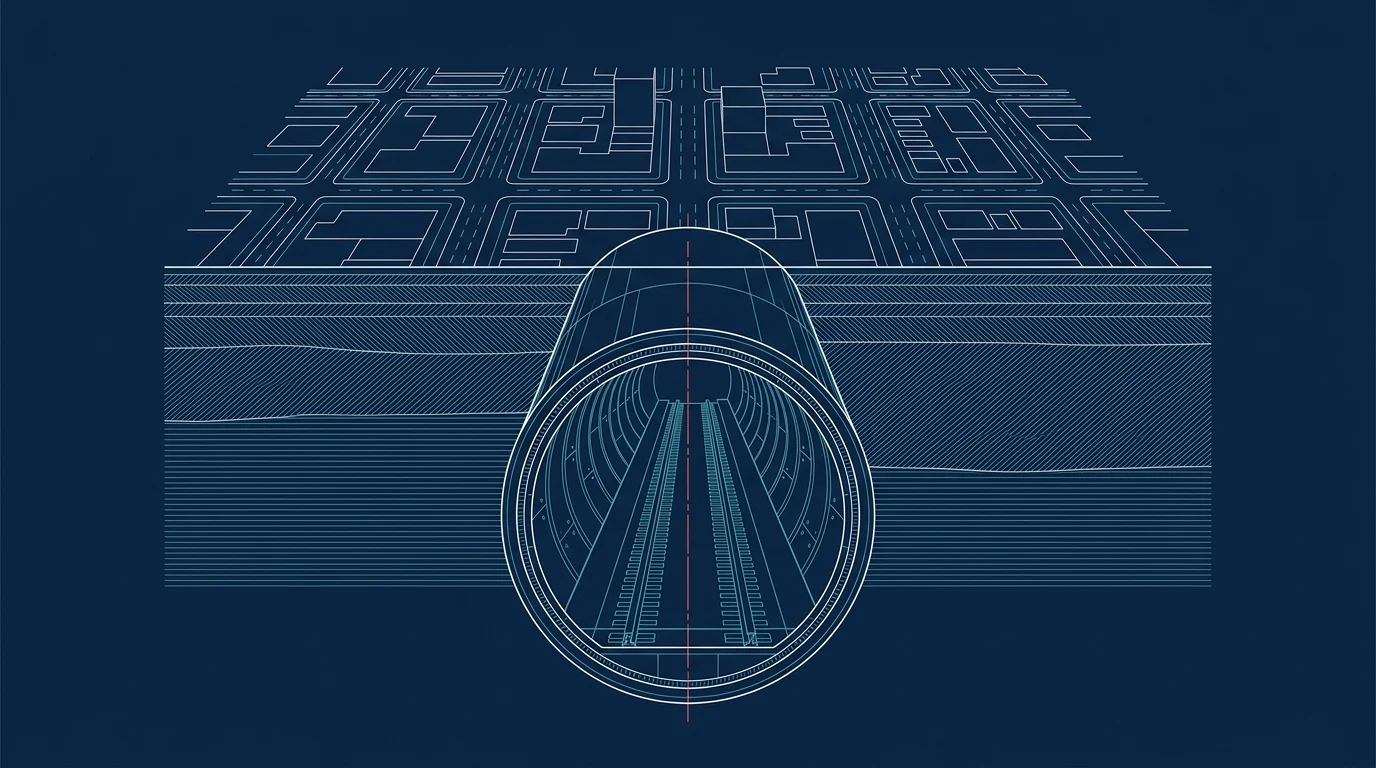
The Transbay Joint Powers Authority, the small multi-agency authority that oversees the project, is seeking a contractor for the tunneling and civil package known as the Downtown Rail Extension, or DTX. The work involves boring a 1.3-mile underground corridor from Caltrain's current terminus at 4th and King streets into the Salesforce Transit Center, the gleaming bus hub that opened in 2018. The tunnel would eventually carry both Caltrain commuter trains and California High-Speed Rail into the heart of downtown.
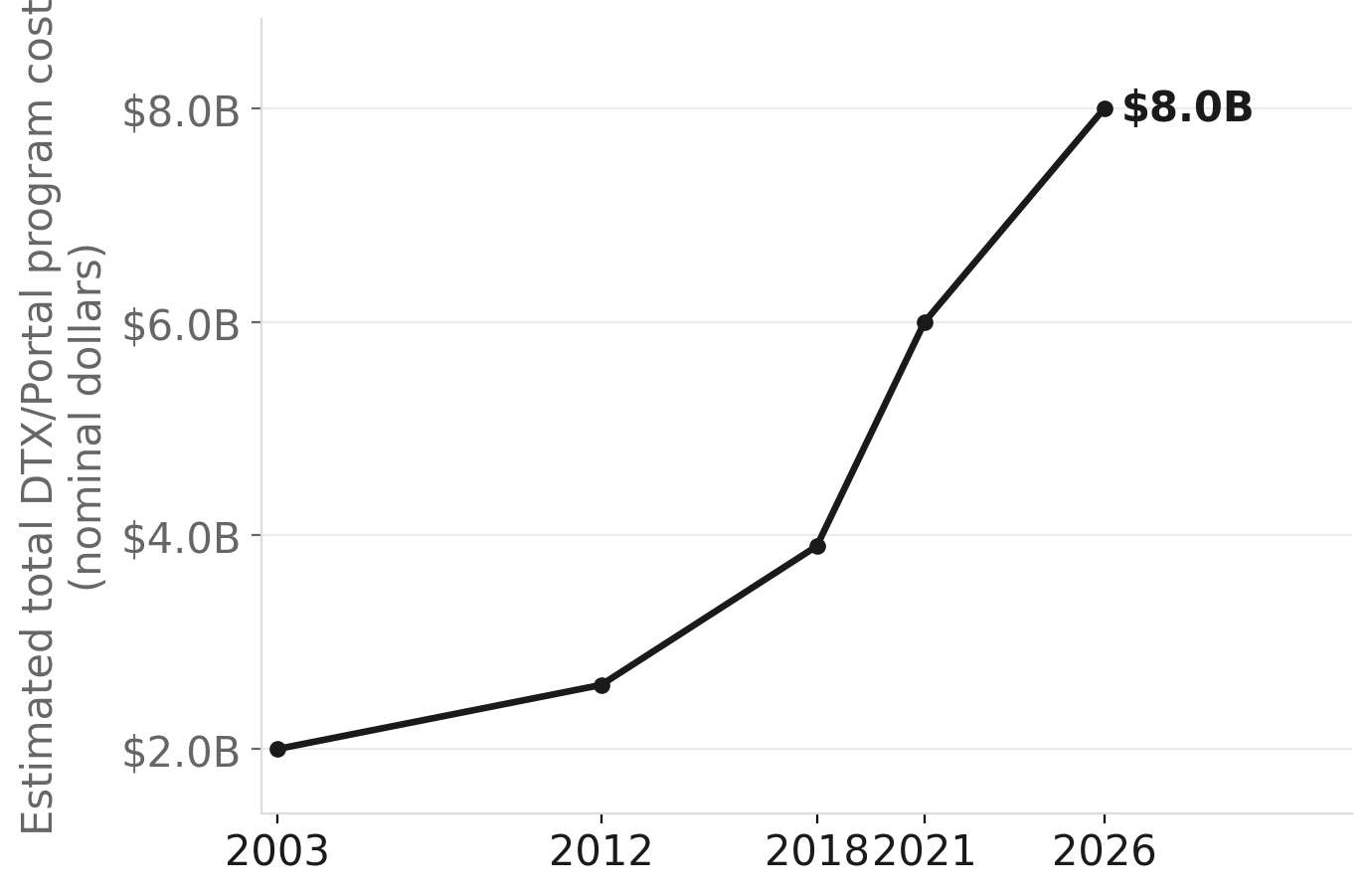
The price tag has grown dramatically over the years. What was once projected at roughly $2 billion in the early 2000s now carries an estimated cost of around $8 billion for the full program, a figure that has drawn sustained scrutiny from transit advocates, city watchdogs, and grand jury reports that have questioned whether TJPA has the staffing and oversight capacity to manage a project of this scale.
Source: NationGraph.
The authority is using a contracting approach called Progressive Design-Build, which brings the contractor in during the design phase rather than putting a finished blueprint out to bid. The goal is to catch problems early and control costs, a departure from the traditional model used on Phase 1. The Salesforce Transit Center closed for nearly a year after it opened in 2018 when inspectors discovered cracked steel beams, a crisis that cost TJPA significant credibility and led to a peer review faulting its oversight.
The timing reflects both federal momentum and local pressure. The DTX entered the federal Capital Investment Grants pipeline in 2022, and the project has been working toward a Full Funding Grant Agreement with the FTA. California High-Speed Rail legally requires a downtown San Francisco terminus, giving the project a political lifeline even as the Bay Area's broader transit sector struggles with a post-pandemic fiscal crisis. BART, Muni, Caltrain, and AC Transit have all faced major deficits, and downtown San Francisco's office vacancy rate has remained above 30%, raising questions about whether the tunnel will serve the commuter demand it was designed around.
Mayor Daniel Lurie, elected in 2024, has tied downtown economic recovery to transit investment, giving the project renewed political backing. TJPA Executive Director Adam Van de Water, appointed in 2022, has focused on rebuilding the agency's federal relationships and rebranding parts of the project as "The Portal" to reset public perception after years of bad headlines.
The tunneling contract is the single largest and most complex work package in the program. How the procurement goes, and whether the new contracting model delivers on its promise to contain costs, will shape the project's viability for years to come.