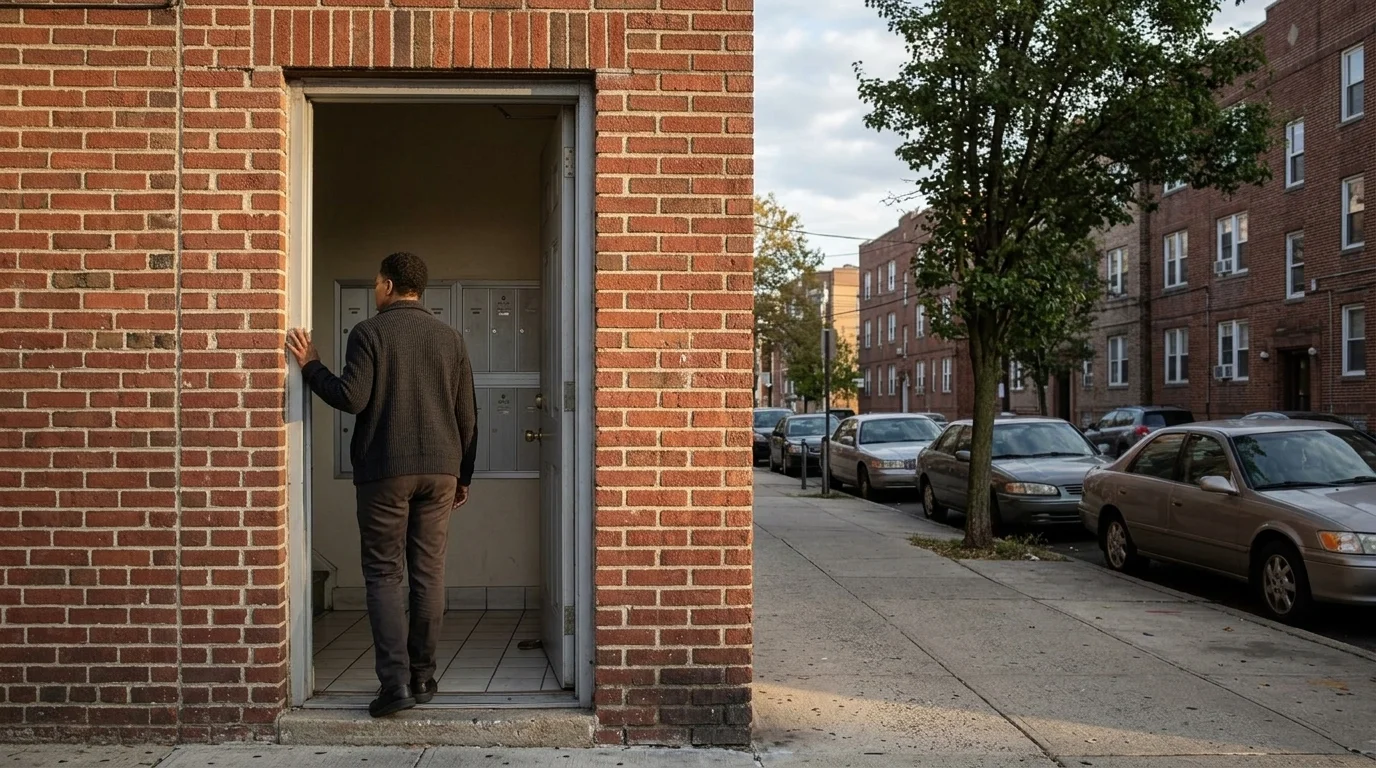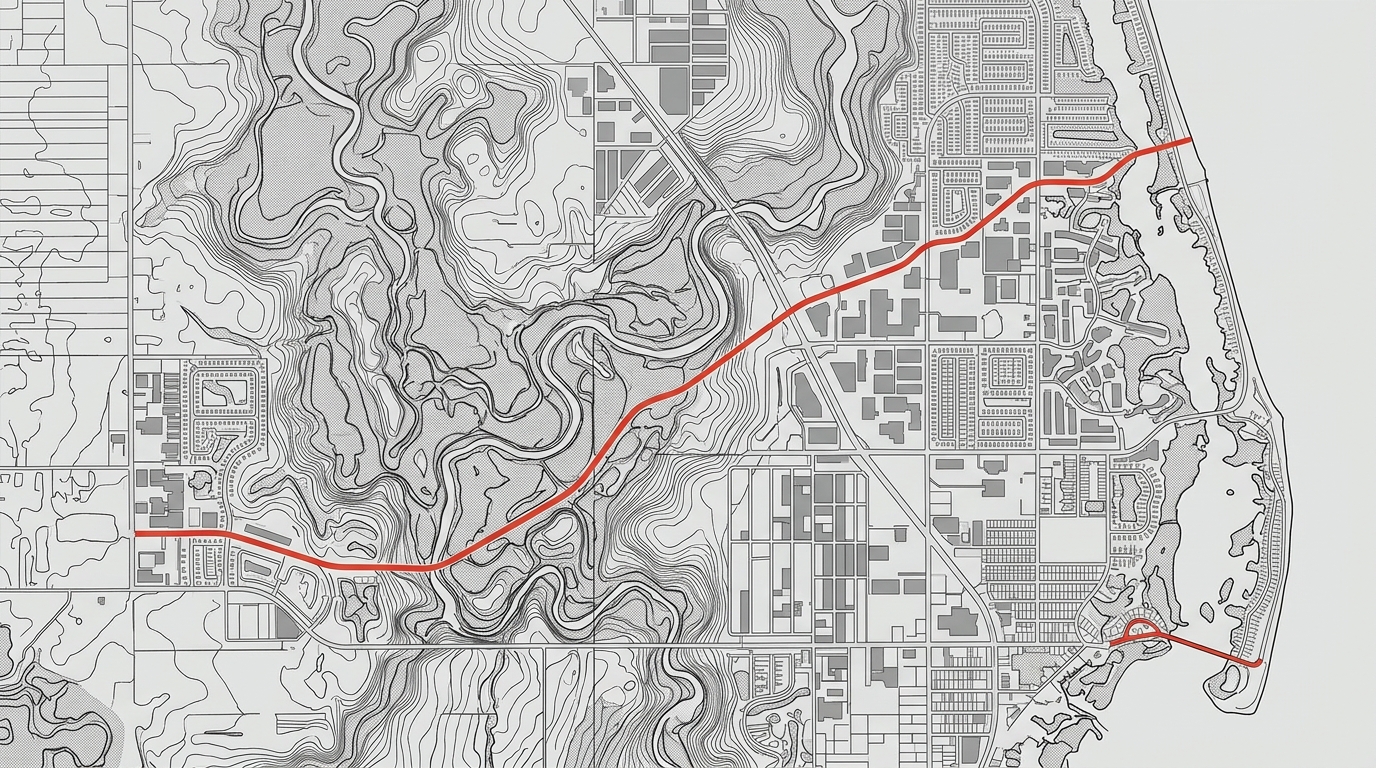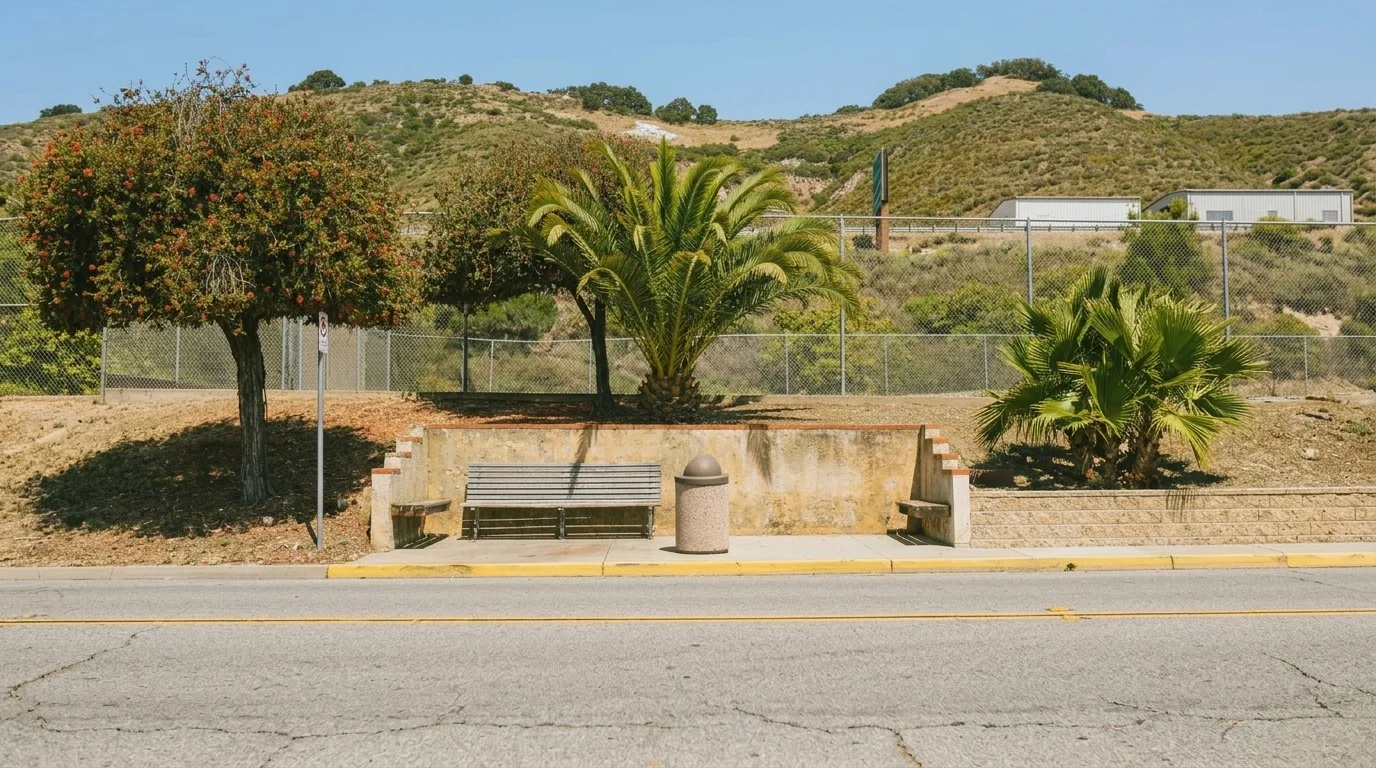
Sausalito, California, a waterfront city of 7,100 people in Marin County, is opening two of its own properties to housing development: a park named for Martin Luther King Jr. and the yard where city crews store maintenance equipment.
The move reflects how little room the city has to maneuver. Sausalito is nearly completely built out, with almost no vacant private land, yet the state has assigned it a target of roughly 724 new homes to be planned and built by 2031. That figure, set through California's Regional Housing Needs Allocation process, is a generational challenge for a city that has added very little housing in decades. Failing to meet it carries real consequences under state law, including loss of local zoning control and vulnerability to developer projects that bypass city approval entirely.
With private land scarce, the city has turned to property it already owns. Both sites were designated as "opportunity sites" in Sausalito's adopted Housing Element, the planning document California requires every city to file. The city is now seeking a development partner to build mixed-use projects on the two parcels, a joint development approach that could allow Sausalito to retain some public uses while adding homes on top of or alongside them.
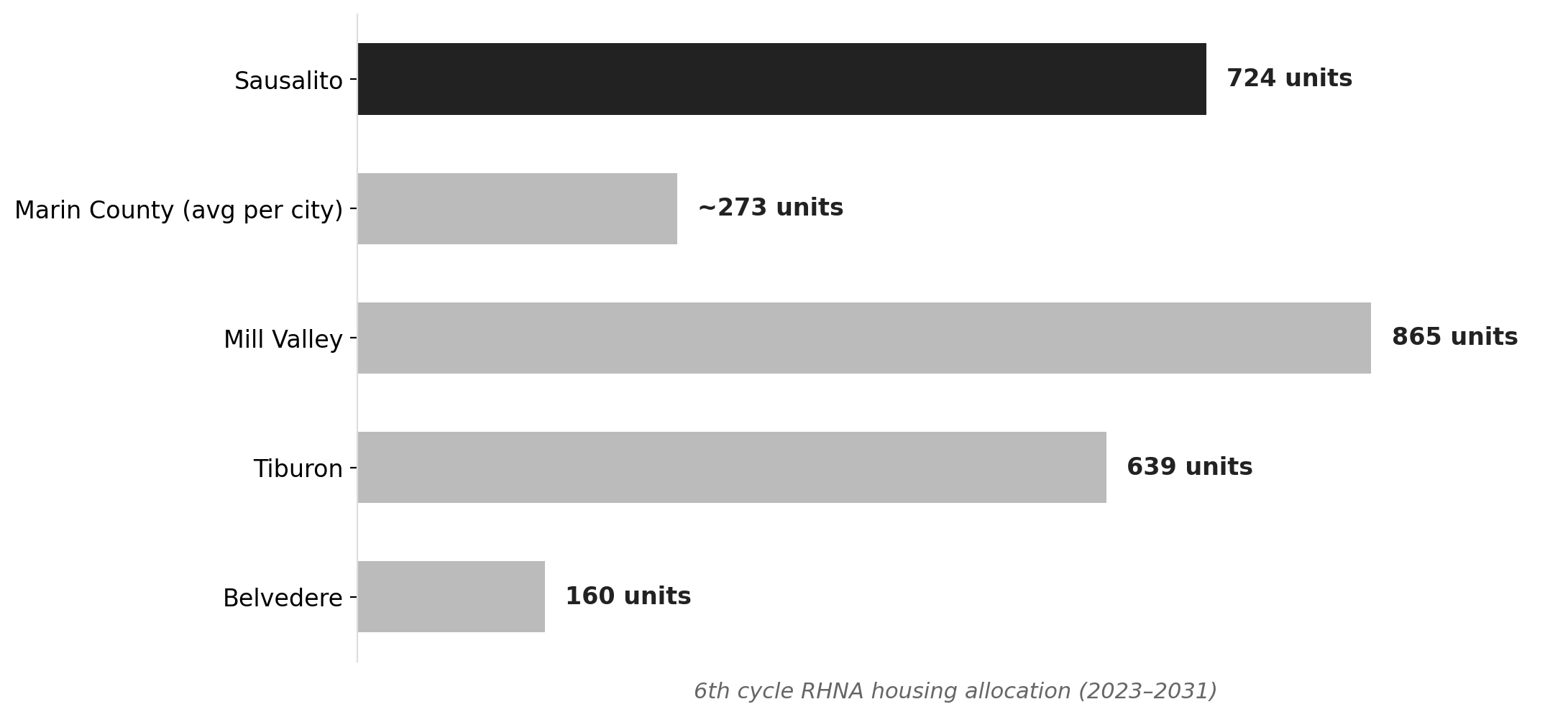
Source: NationGraph.
The choice of Martin Luther King Jr. Park carries particular weight in this community. Adjacent to Sausalito is Marin City, an unincorporated neighborhood that is one of the few majority-minority communities in Marin County, its roots tracing to Black shipyard workers who settled there during World War II. The economic and racial divide between affluent, predominantly white Sausalito and Marin City has been a persistent source of regional tension, and state housing law now explicitly requires cities to address those patterns of segregation, not just build units. Earlier coverage noted the city has already identified 81 affordable homes across the two sites.
Marin County has long been cited by housing advocates as emblematic of the wealthy, slow-growth communities that California's housing reforms were designed to confront. Nearby Woodside briefly claimed mountain lion habitat status to avoid a housing mandate before backing down under state pressure. Sausalito's own Housing Element went through multiple rounds of state review before receiving certification.
Which developer the city selects, and what the projects ultimately look like, will shape whether Sausalito can make a credible dent in its housing obligation before the 2031 deadline.