Saskatchewan is scrambling to install carbon monoxide alarms in thousands of public housing units this summer after the province finally required the devices in all residential suites, catching up to a safety standard that most of Canada adopted years ago.
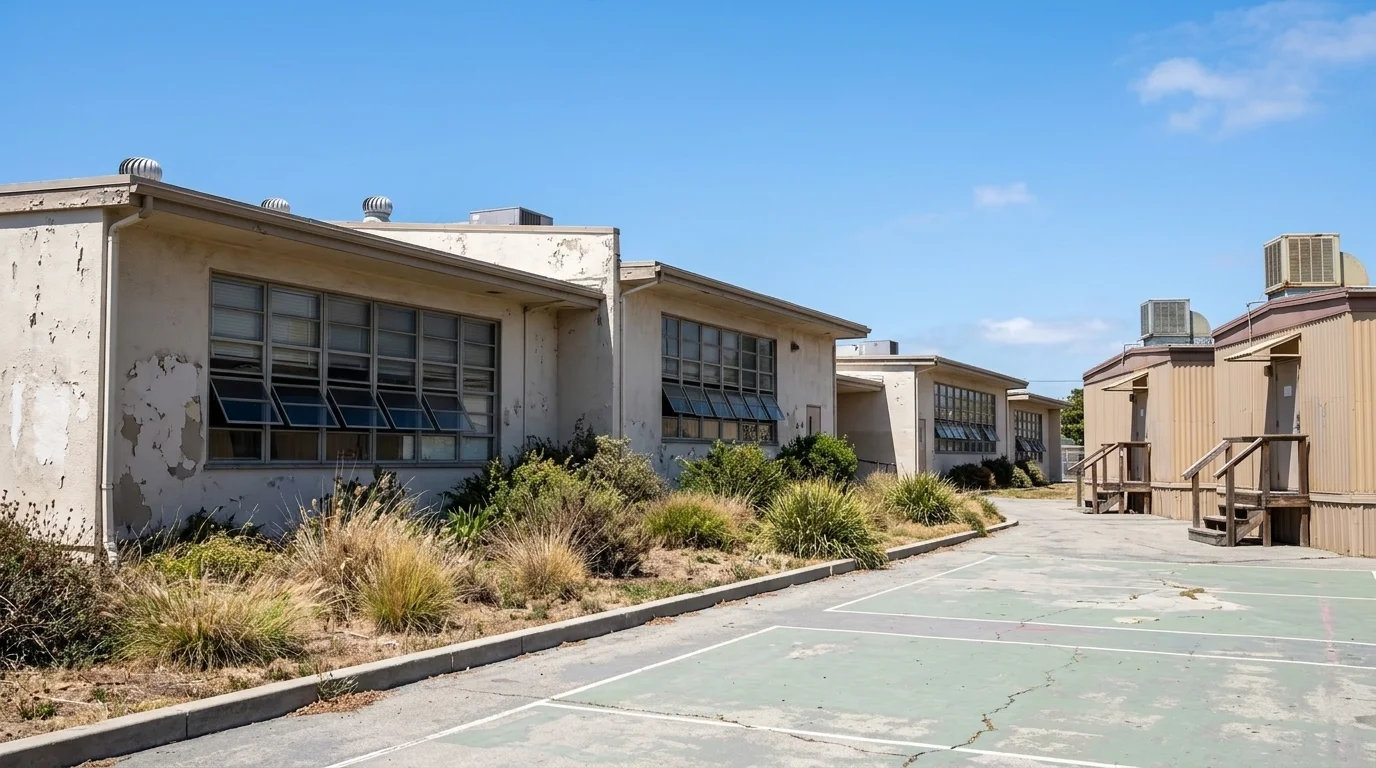
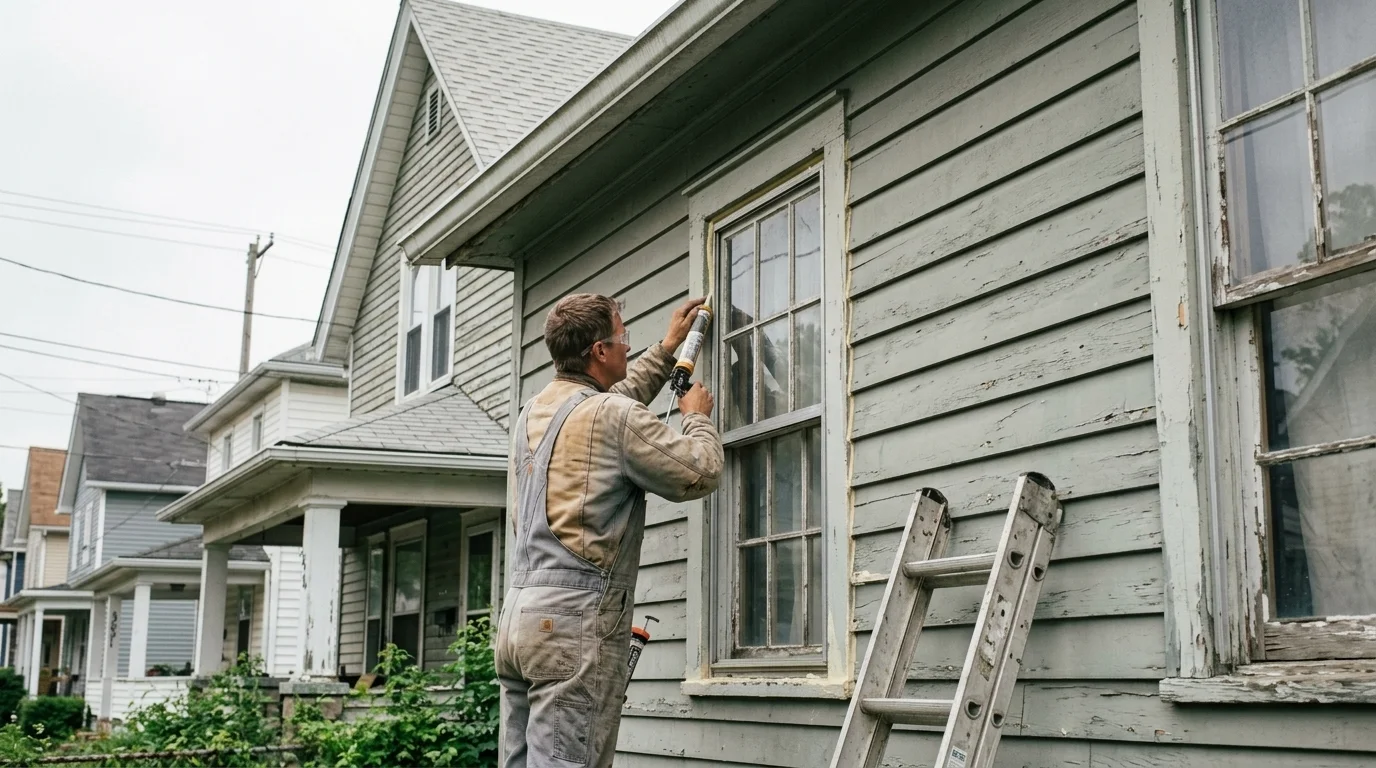
Saskatchewan Housing Corporation, the Crown agency that manages roughly 18,000 social and affordable housing units across the province, needs 7,600 CO alarms delivered to multiple sites by Aug. 1. The bid is posted on SaskTenders. The tight deadline, less than three months after the Government of Saskatchewan announced the new requirement on May 5, signals the province is treating this as an urgent life-safety issue.
Carbon monoxide is odorless and colorless, and Health Canada estimates it kills more than 300 Canadians each year. Saskatchewan's housing stock is particularly exposed: more than 85% of homes rely on natural gas as their primary heating fuel, one of the highest rates in Canada, and winters that routinely drop to -30°C mean homes stay tightly sealed for months. A malfunctioning furnace, water heater, or vehicle left running in an attached garage can fill a sealed home with lethal concentrations before anyone notices.
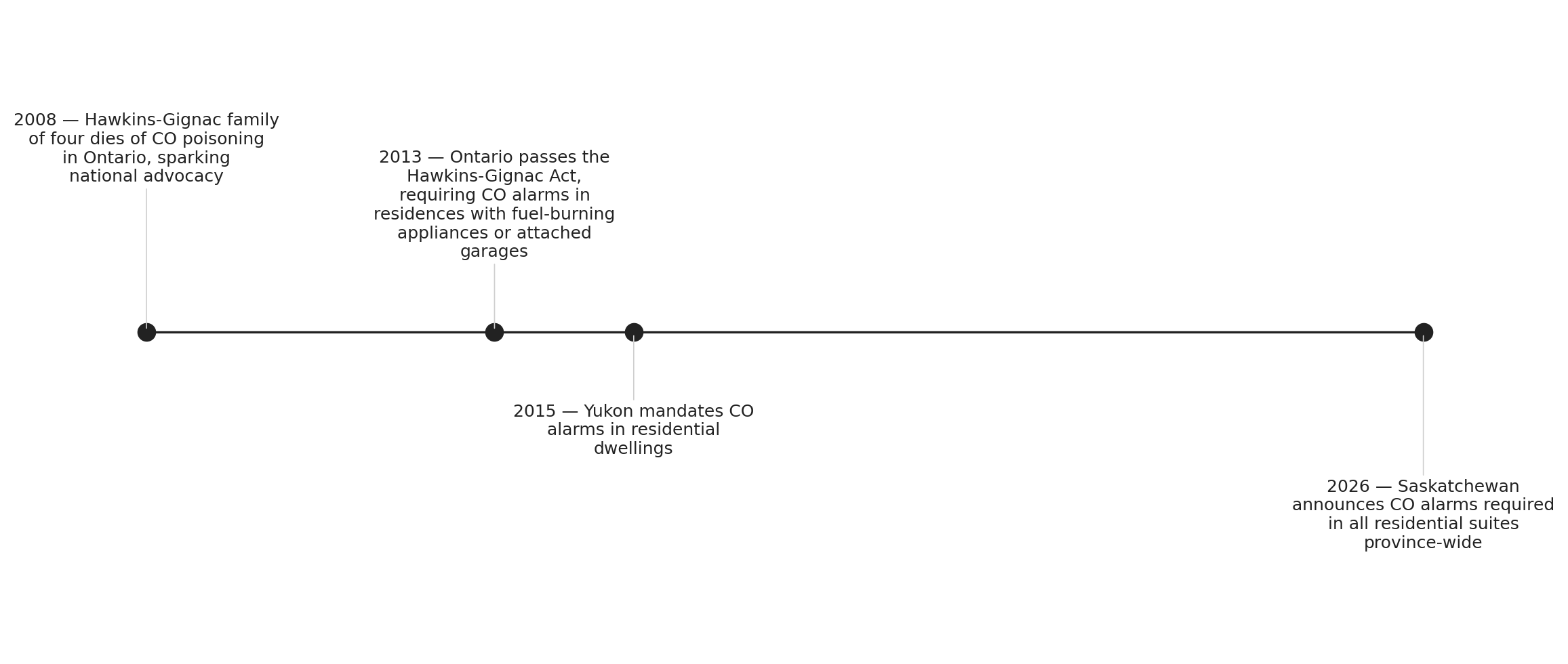
Source: NationGraph.
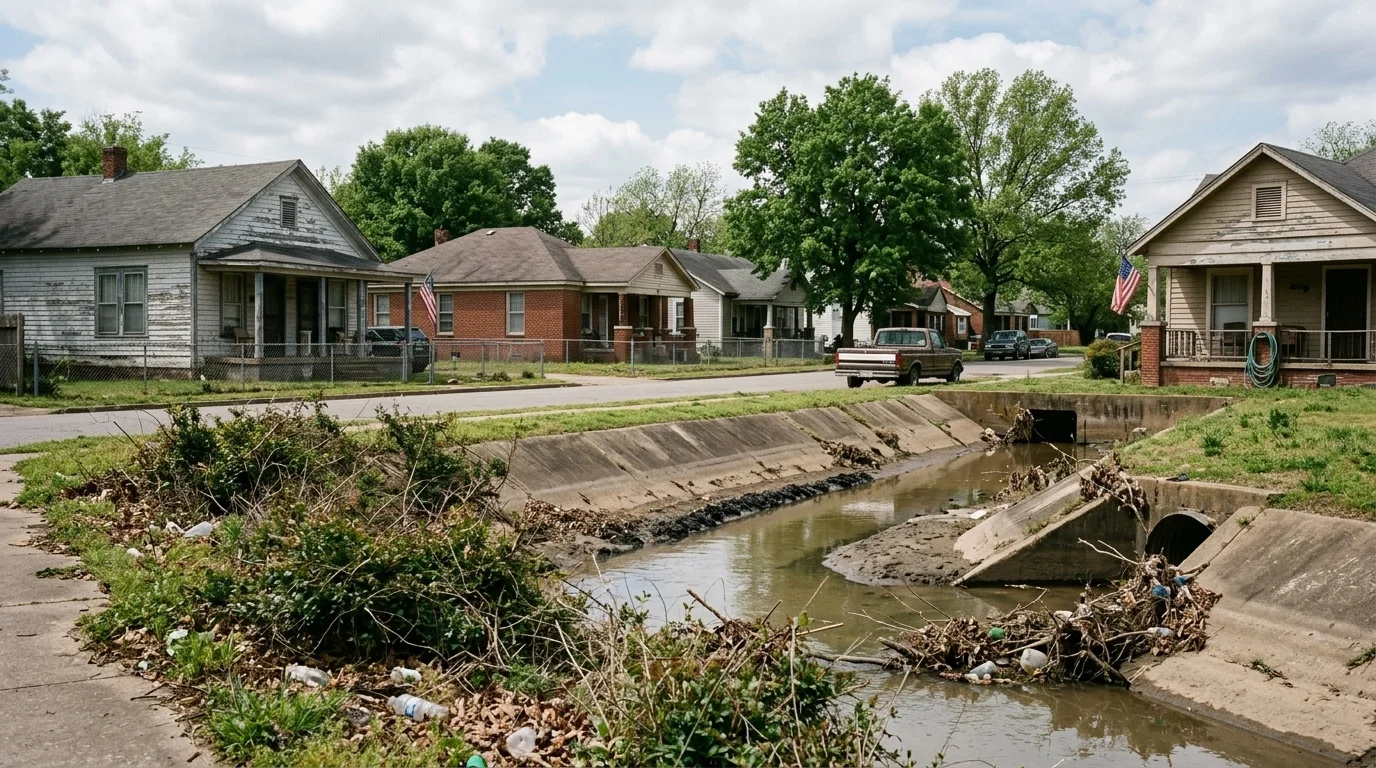
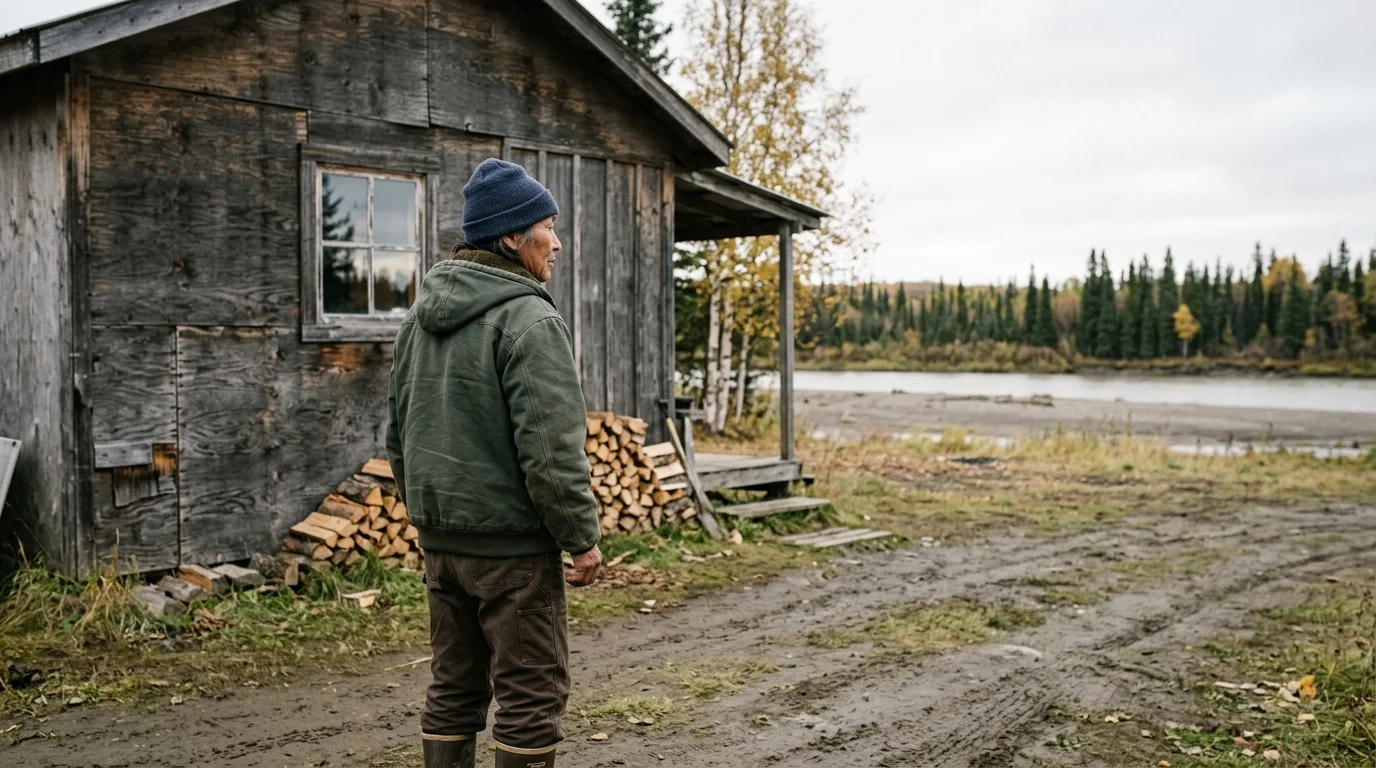
The tenants in SHC housing, low-income families, seniors and people with disabilities, are among those least able to recognize CO symptoms or evacuate quickly. Many units are in remote and northern communities, adding logistical complexity to the delivery requirement.
Saskatchewan had lagged behind much of the country on this issue. Ontario passed the Hawkins-Gignac Act in 2013, named for a family of four who died from CO poisoning in 2008, requiring alarms near sleeping areas in homes with fuel-burning appliances or attached garages. Manitoba, Yukon and other provinces followed in the years after. Saskatchewan's older rules applied mainly to new construction under the National Building Code.
With the Aug. 1 deadline approaching, the housing corporation's ability to source and distribute thousands of devices across a geographically sprawling province will determine whether tenants have working protection before another prairie winter arrives.