St. George, Utah is taking its most concrete step yet toward recycling wastewater into drinking water, a technology that may become essential for one of the fastest-growing desert regions in the United States.
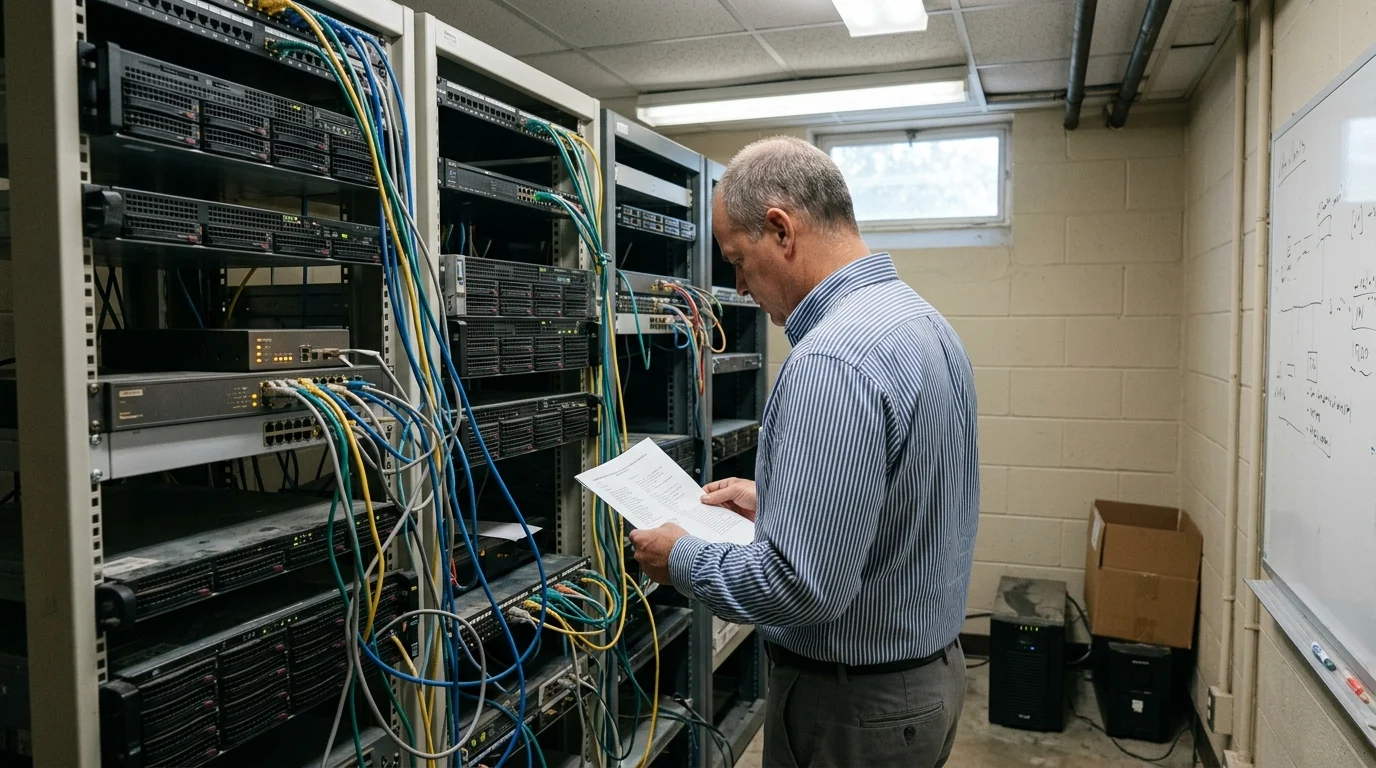
The Washington County Water Conservancy District, which supplies water to the St. George metro area, is hiring a construction manager to build an Advanced Water Purification Demonstration Facility alongside a Conservation Garden. The project is listed on the district's procurement portal, though a budget and construction timeline have not been publicly disclosed.
The move reflects just how dramatically the district's options have narrowed. Washington County has roughly doubled in population since 2000 and is projected to hit 500,000 residents by mid-century, up from around 200,000 today. For years, the district's answer to that growth was the Lake Powell Pipeline, a proposed $2 billion-plus conduit that would have pumped Colorado River water directly to St. George. That project has stalled amid federal scrutiny and opposition from the other six states that share the river, and is now effectively off the table.
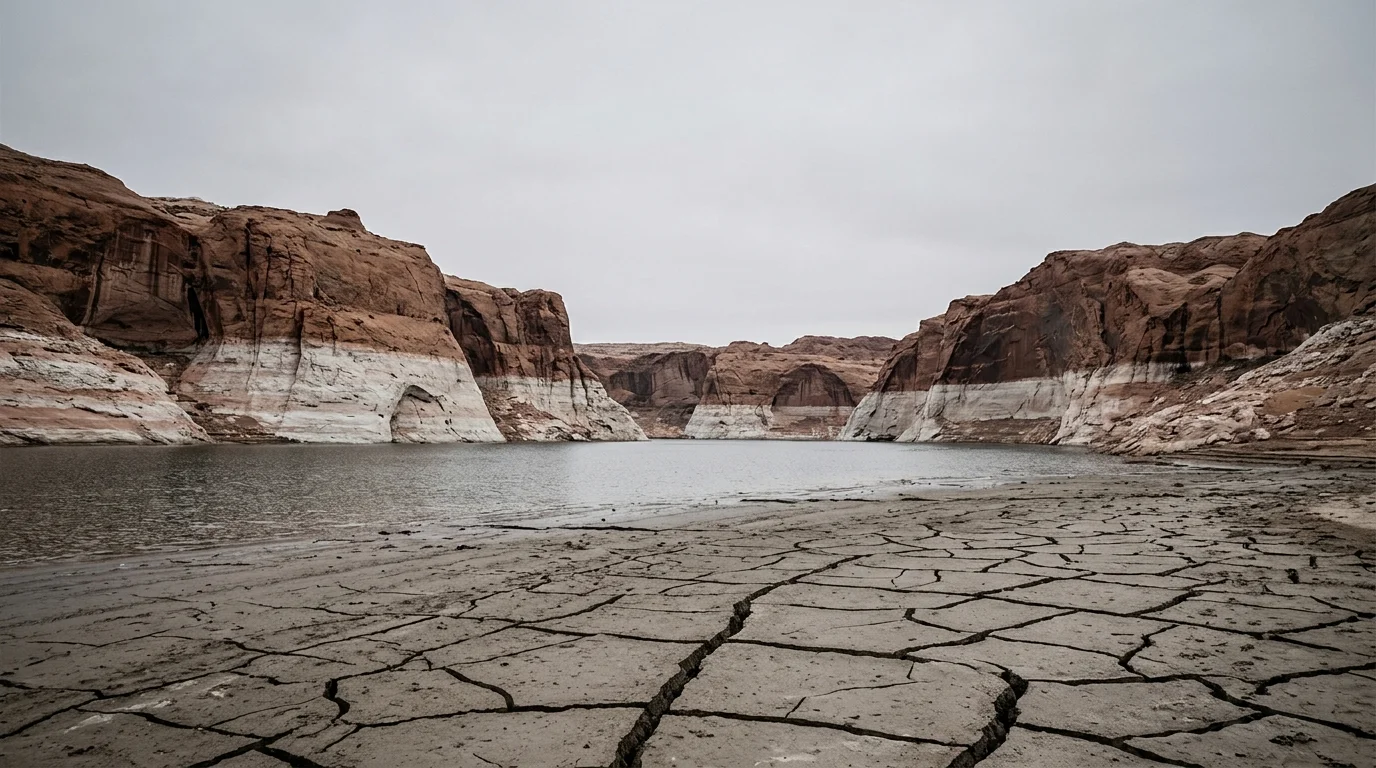
The Colorado River itself has offered little reassurance. The river has lost roughly 20 percent of its flow since 2000 during what researchers describe as the worst megadrought in 1,200 years. Lake Powell and Lake Mead both hit record lows in 2022 and 2023, forcing emergency federal intervention and a renegotiation of how the basin's water will be divided after 2026. Washington County depends on the Virgin River, a Colorado tributary, and has little buffer against continued shortfalls.
Advanced water purification, sometimes called direct or indirect potable reuse, typically runs wastewater through a sequence of microfiltration, reverse osmosis, and ultraviolet treatment to produce water that meets or exceeds drinking water standards. The technology is already operating at scale in Orange County, Calif., and Scottsdale, Ariz., though it still carries a public perception challenge that utilities commonly call the "yuck factor." A demonstration facility, which typically processes a fraction of what a full plant would handle, is the standard first step: it lets engineers prove the process, train operators, and generate the regulatory data that state drinking water officials require before approving a full-scale system. Utah's legislature established a framework for direct potable reuse in 2022.
Paired with the purification facility is a conservation garden, meant to show residents what a desert landscape can look like without thirsty lawns. Washington County has historically ranked among the highest in the nation for per-capita water use, a figure the district contests as methodology-dependent but that has drawn repeated scrutiny. Similar demonstration gardens in Las Vegas have supported aggressive turf-replacement programs that removed hundreds of millions of square feet of grass across the Las Vegas Valley. The district has been pushing a comparable demand-reduction strategy alongside its supply-side work, which has also included a major expansion of the regional water treatment plant.
The district has not announced when construction is expected to begin or when the facility would be operational. Those details are likely to come into sharper focus as the contractor selection process moves forward.