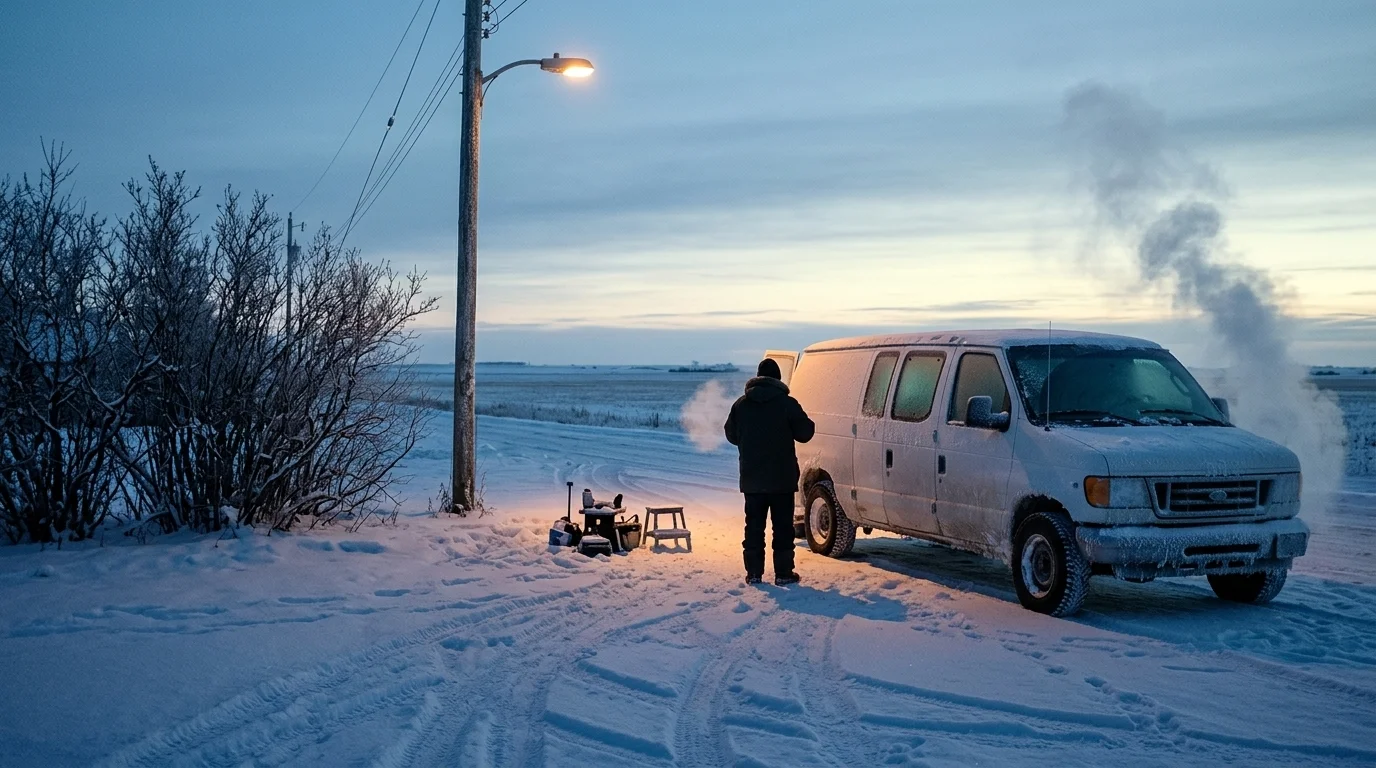
Lloydminster, the city that straddles the Alberta-Saskatchewan border, is acquiring a mobile warming center to protect unhoused residents during Prairie winters that regularly plunge below -30°C, an acknowledgment that the city's fixed shelters and two provincial governments have not been enough.
The city posted a procurement notice on Aug. 10, giving itself enough runway to have a vehicle-based or transportable unit in place before the 2026-2027 cold season. Budget, operating hours, and the precise service model have not been made public.
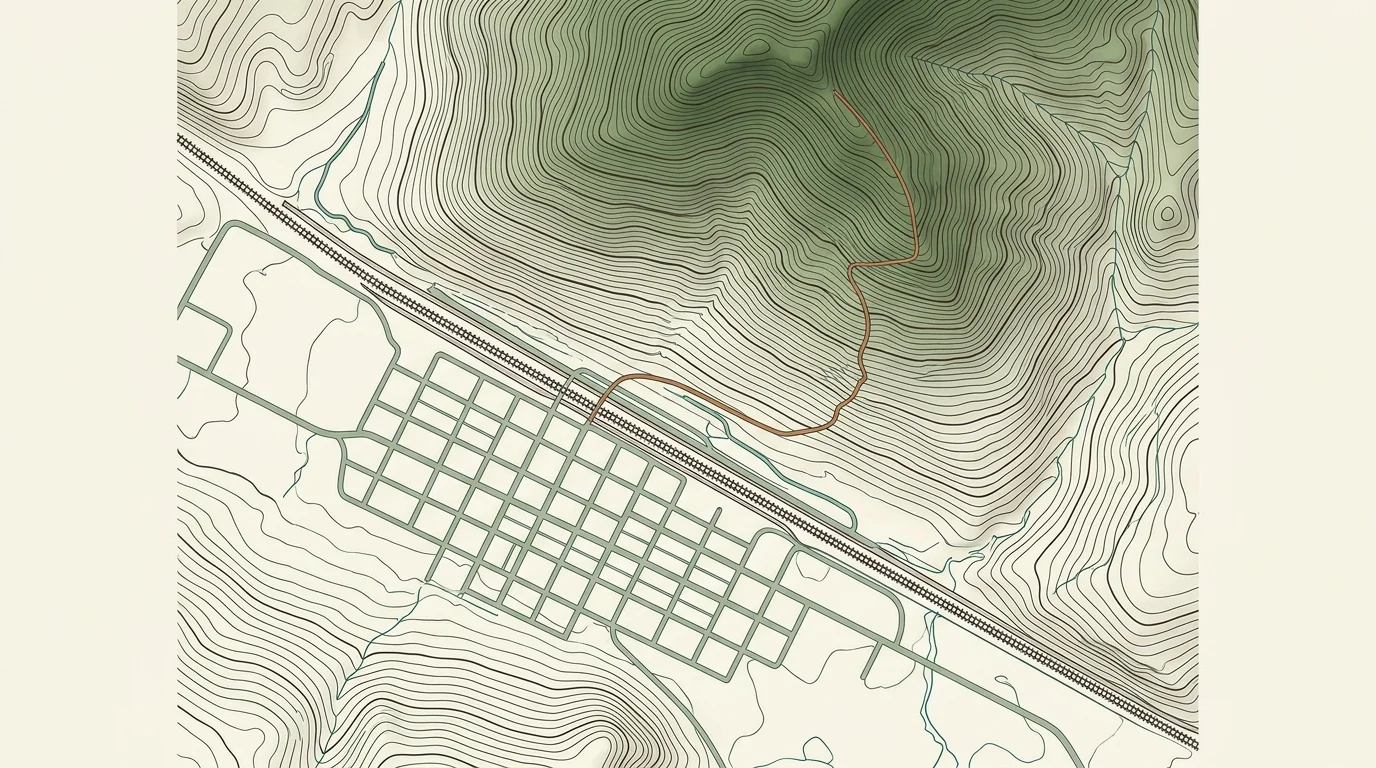
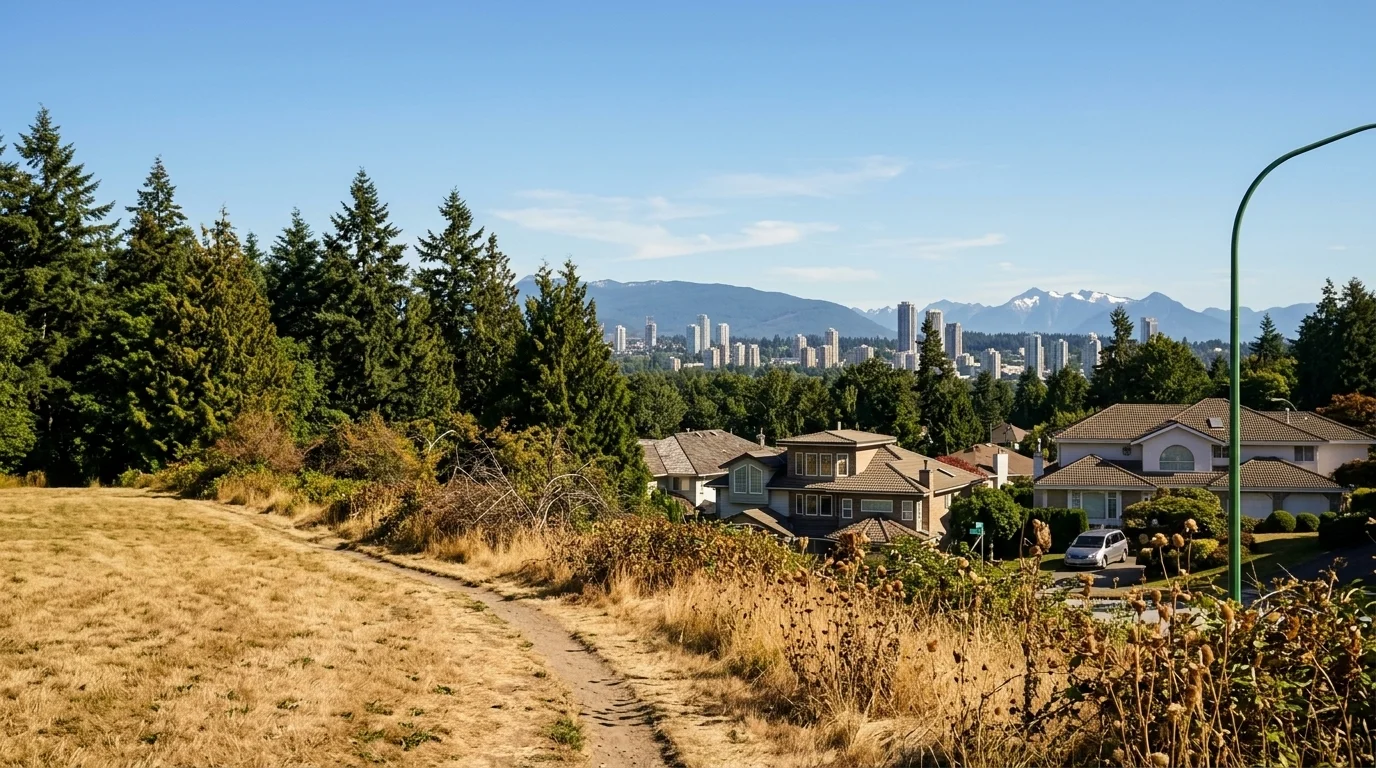
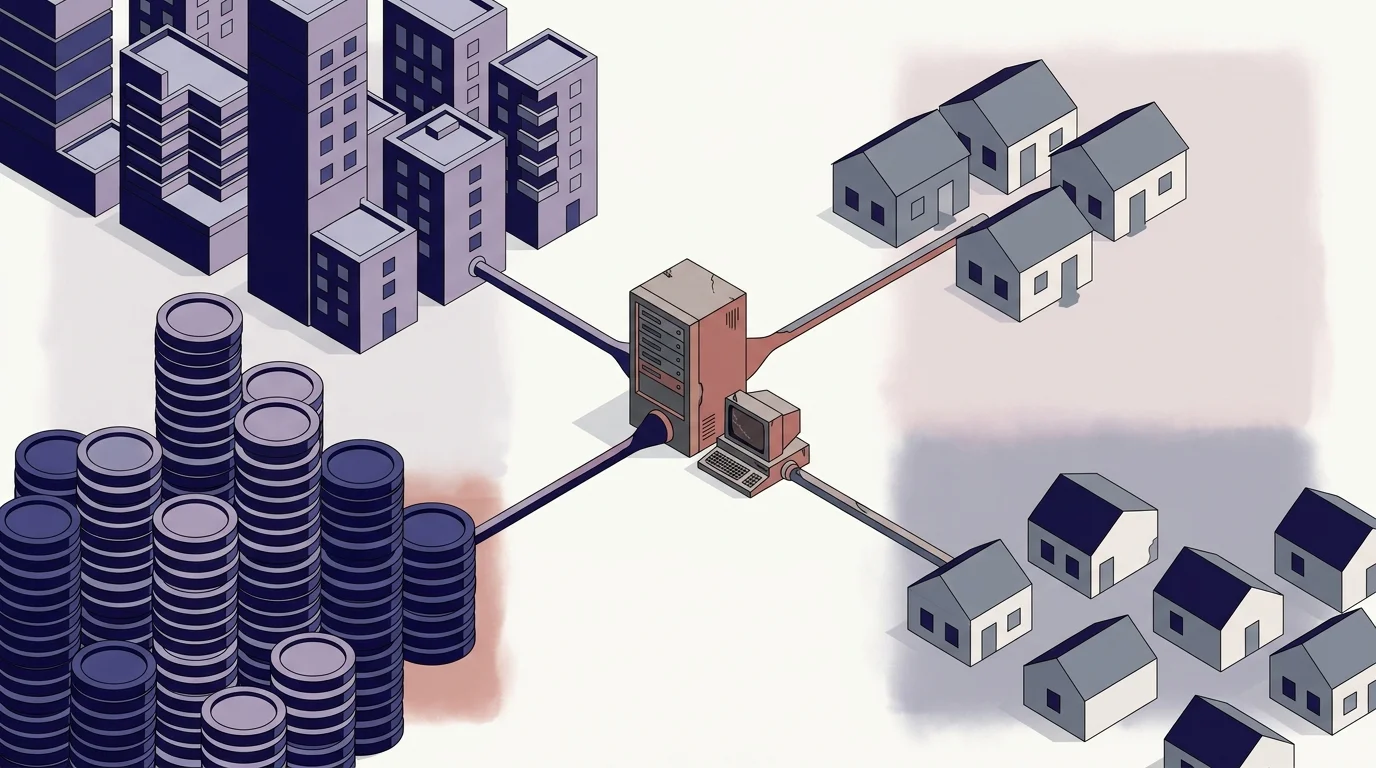
Lloydminster's situation is unusual even by Prairie standards. With a population of roughly 32,000, the city operates under a single municipal charter but sits across a provincial boundary, meaning residents access social services from whichever province they technically live in. That jurisdictional split has long left the city under-prioritized by both Alberta and Saskatchewan, neither of which treats Lloydminster as a major urban center the way Edmonton, Calgary, Saskatoon or Regina are treated. The city also falls outside Alberta's largest federal Reaching Home homelessness funding designations, pushing more of the burden onto local resources.
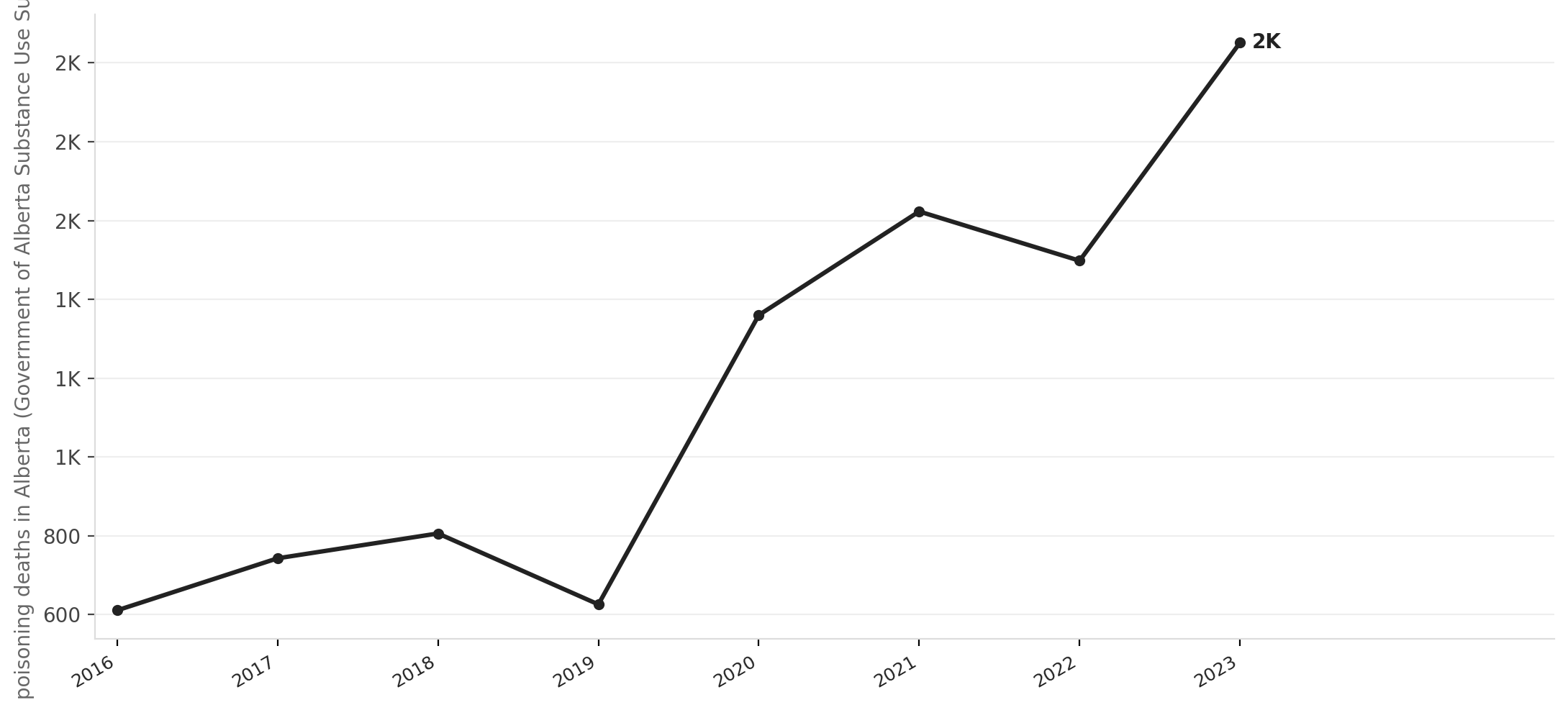
Source: NationGraph.
The homelessness crisis driving this purchase has deepened across the Prairies since roughly 2020, fueled by housing costs, a severe opioid and methamphetamine poisoning epidemic, and the disappearance of affordable rental stock. Alberta recorded some of Canada's highest opioid death rates in 2023 and 2024. In Edmonton, Calgary, Saskatoon and Regina, cold-weather deaths of unhoused people have become a recurring winter story, with wind chills sometimes reaching -40°C. Indigenous residents are significantly overrepresented among those affected, a pattern consistent across Prairie communities.
Fixed shelters have struggled to close the gap. Capacity limits, sobriety requirements, curfews, and restrictions on couples or pets all create barriers for people in crisis. Mobile warming units, which can meet people where they are and operate with fewer restrictions, have been piloted by organizations like Edmonton's Bissell Centre and Indigenous-led groups across the region. Lloydminster is now following that model.
The city's oil-and-gas economy adds another layer of vulnerability: boom-bust cycles leave transient workers exposed, and when downturns hit, housing precarity rises quickly. Local shelter providers have periodically reported operating at or beyond capacity.
With the RFP now in the market, the next step is contractor selection and deployment before temperatures drop. The specific details of how and where the warming center will operate remain to be determined once a contract is awarded.