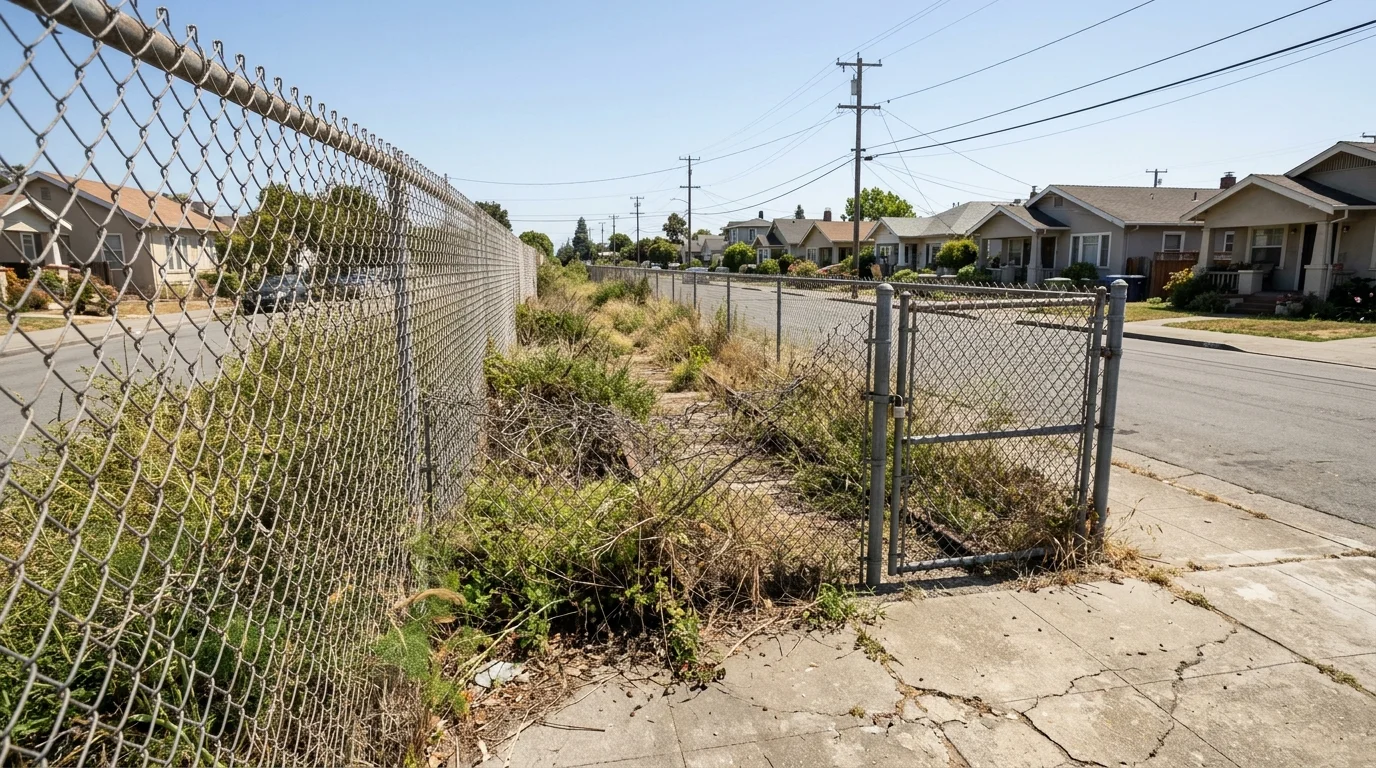
Santa Clara, California is moving to rebuild a downtown it effectively demolished in the 1960s, looking for a private developer to transform city-owned land in its vacant urban core into a mixed-use neighborhood with housing and street-level activity.
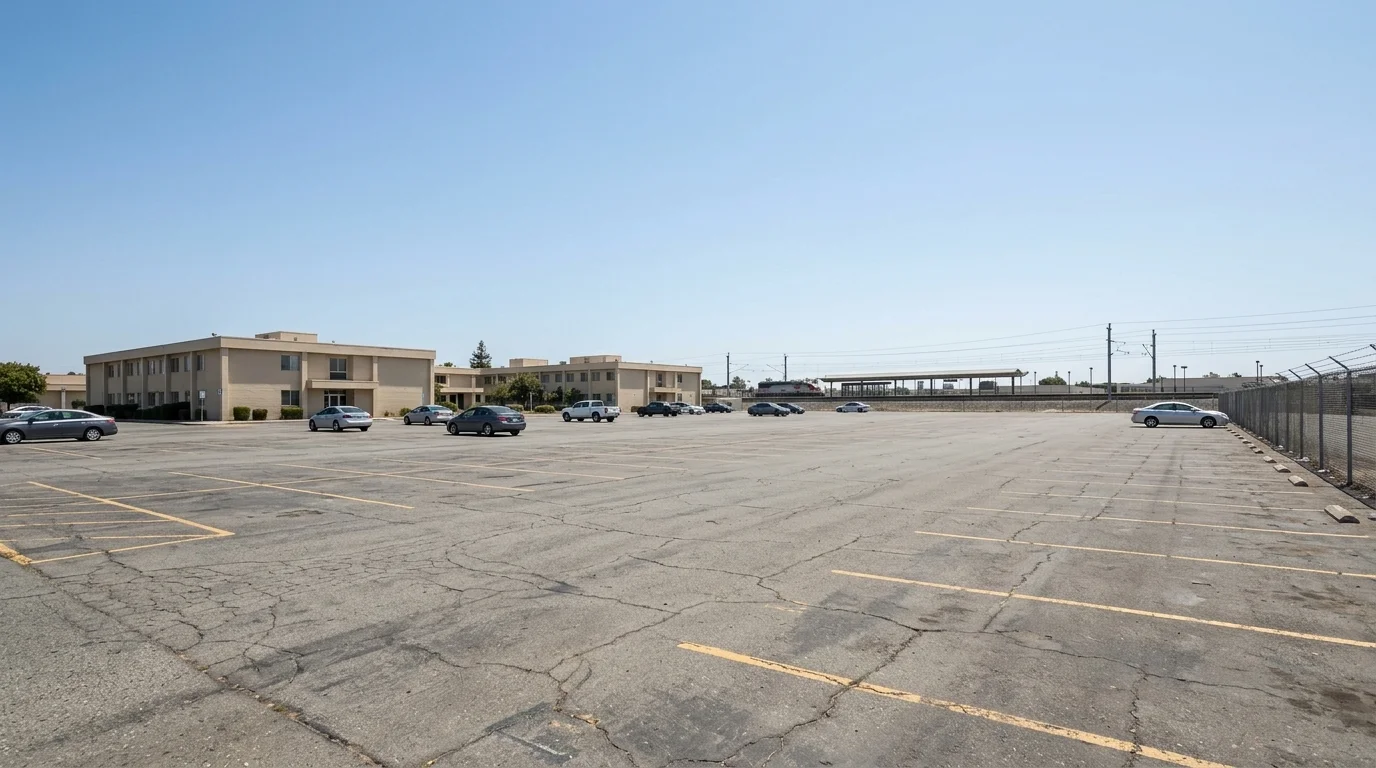
The city posted a request for development proposals on Jan. 14, 2027, a direct outgrowth of the Downtown Precise Plan adopted in 2023. That plan rezoned the area around the old Franklin and Jackson Street corridor for dense, walkable, mixed-use development, the kind of neighborhood Santa Clara used to have before federal urban renewal programs scraped it away in favor of surface parking lots, office buildings, and the Civic Center complex.
For decades, the absence of a traditional downtown has set Santa Clara apart from virtually every other city in Silicon Valley. San José, Mountain View, and Sunnyvale all retained or rebuilt walkable commercial cores. Santa Clara, despite being home to Intel, Nvidia, and roughly 130,000 residents, never did. The resident-led Reclaiming Our Downtown movement, active since at least 2016, pushed the city to finally adopt the Precise Plan as a roadmap for fixing that.
Source: NationGraph.
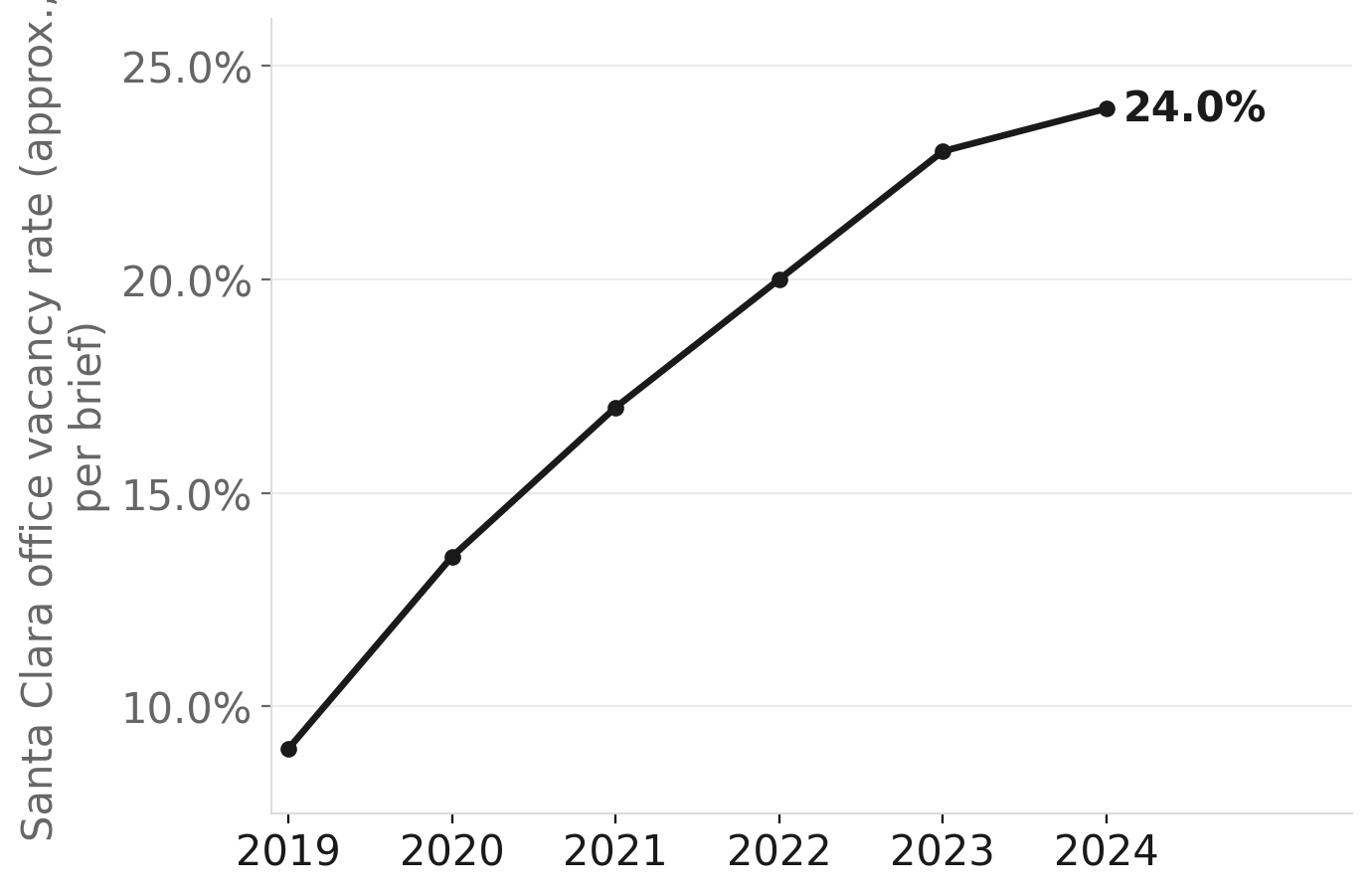
The timing reflects pressure from multiple directions at once. California has assigned Santa Clara a target of roughly 11,600 new housing units for the 2023-2031 planning cycle, and state enforcement of housing law has grown increasingly aggressive. Developing city-owned infill parcels with residential units is one of the clearest paths to meeting that obligation. At the same time, commercial office vacancy in Silicon Valley has hovered around 20 to 25 percent in recent years as remote and hybrid work reshaped demand, leaving the city unable to count on the office economy that once underpinned its tax base.
The city's finances face additional strain amid years of litigation with the San Francisco 49ers over Levi's Stadium management, which cost Santa Clara significant revenue it once expected from that deal. New property tax from a denser, active downtown represents one of the more straightforward ways to rebuild the general fund.
The project site near the Caltrain station and Santa Clara University gives it transit access and institutional neighbors that make mixed-use development easier to underwrite than most suburban infill.
The specific parcel dimensions, unit count targets, affordability requirements, and financial structure have not been publicly detailed beyond the solicitation itself. What happens next depends on how developers respond and what terms the city negotiates, but the selection of a development partner would mark the first time Santa Clara has moved from planning documents to an actual ground-level commitment to rebuilding the neighborhood it lost 60 years ago.