San Rafael, California is putting one of its own properties on the table in an effort to produce affordable housing in one of the most expensive and least-developed counties in the Bay Area, offering a city-owned parcel in North San Rafael to a private or nonprofit developer willing to build income-restricted units there.
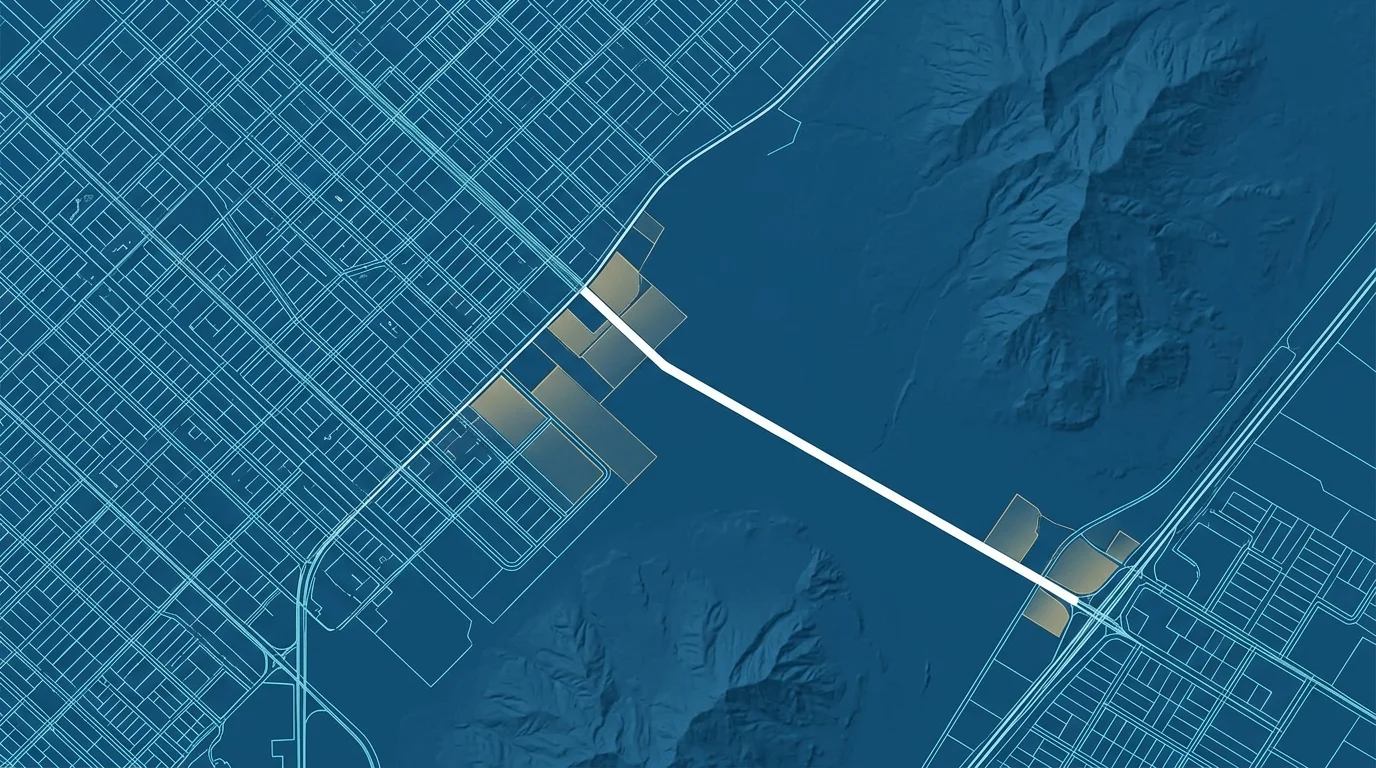
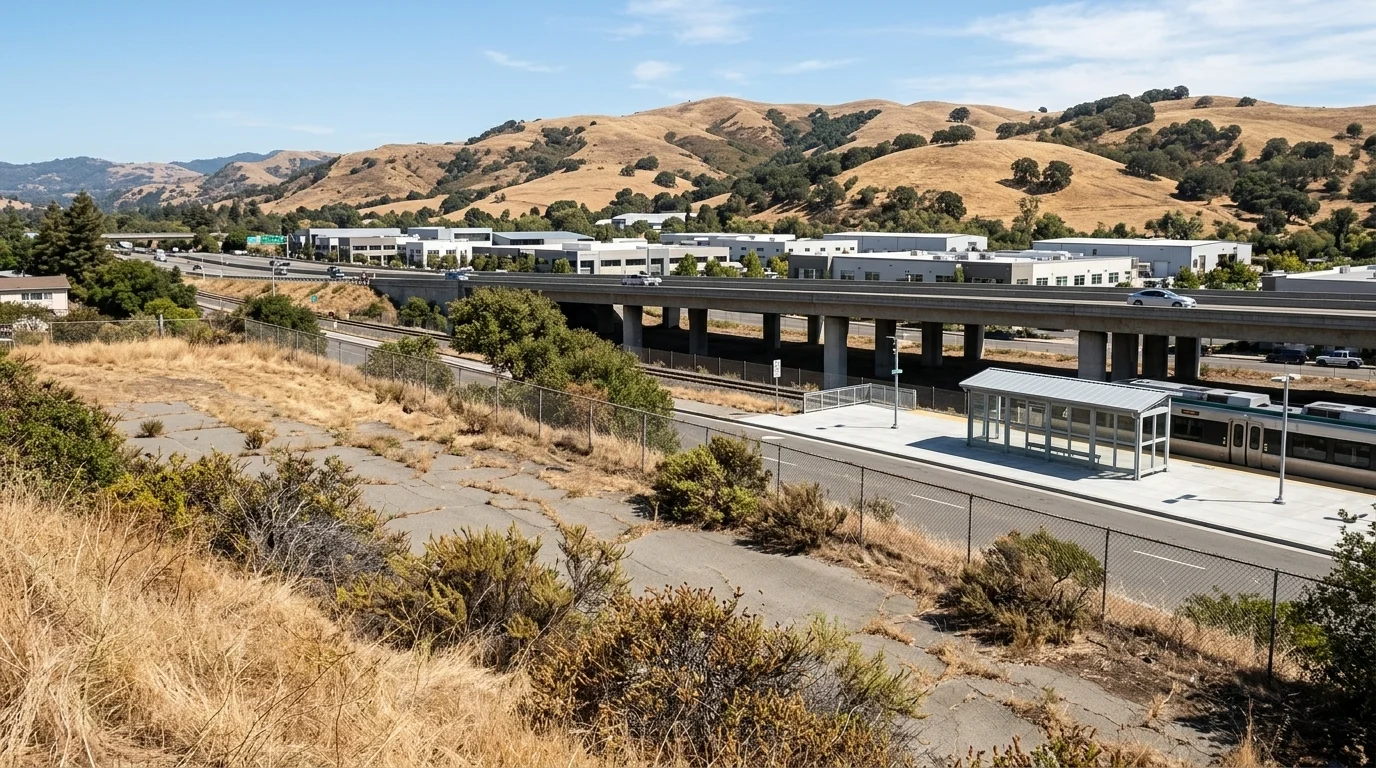
The site, at 350 Merrydale Road and 3833 Redwood Highway, sits near the Marin Civic Center SMART commuter rail station and Highway 101, making it one of the more transit-accessible parcels in a county where most land is zoned for single-family homes and development of any density tends to draw fierce neighborhood opposition. The city has posted an RFP seeking development partners, with proposals due May 1, 2026.
The move reflects pressure building on Marin cities from Sacramento. California's Surplus Land Act requires municipalities to offer public land to affordable housing developers before putting it to other uses, and the state's Regional Housing Needs Allocation process has assigned San Rafael a target of roughly 3,220 new units through 2031, a large share of which must serve lower-income households. Cities that fall short risk losing state housing funds and face enforcement from the California Department of Housing and Community Development. Neighboring jurisdictions in Marin, including Sausalito and Belvedere, have already drawn scrutiny for lagging compliance.
San Rafael is more economically and ethnically diverse than most of Marin County, home to a large Latino community in the Canal neighborhood where rent burdens are severe, and the city has a visible unhoused population. Affordable housing has been both a stated priority and a political flashpoint for the City Council.
Developers who respond to the city's call will almost certainly need to piece together financing from multiple sources: federal Low-Income Housing Tax Credits, state programs and Marin County's Measure C affordable housing fund. The city's contribution is the land itself, a common structure for this kind of deal in high-cost markets where land costs alone can make projects unworkable.
Whether San Rafael can attract a qualified developer and carry a project through to construction will be an early test of whether Marin County's commitments to housing production translate into actual units built.