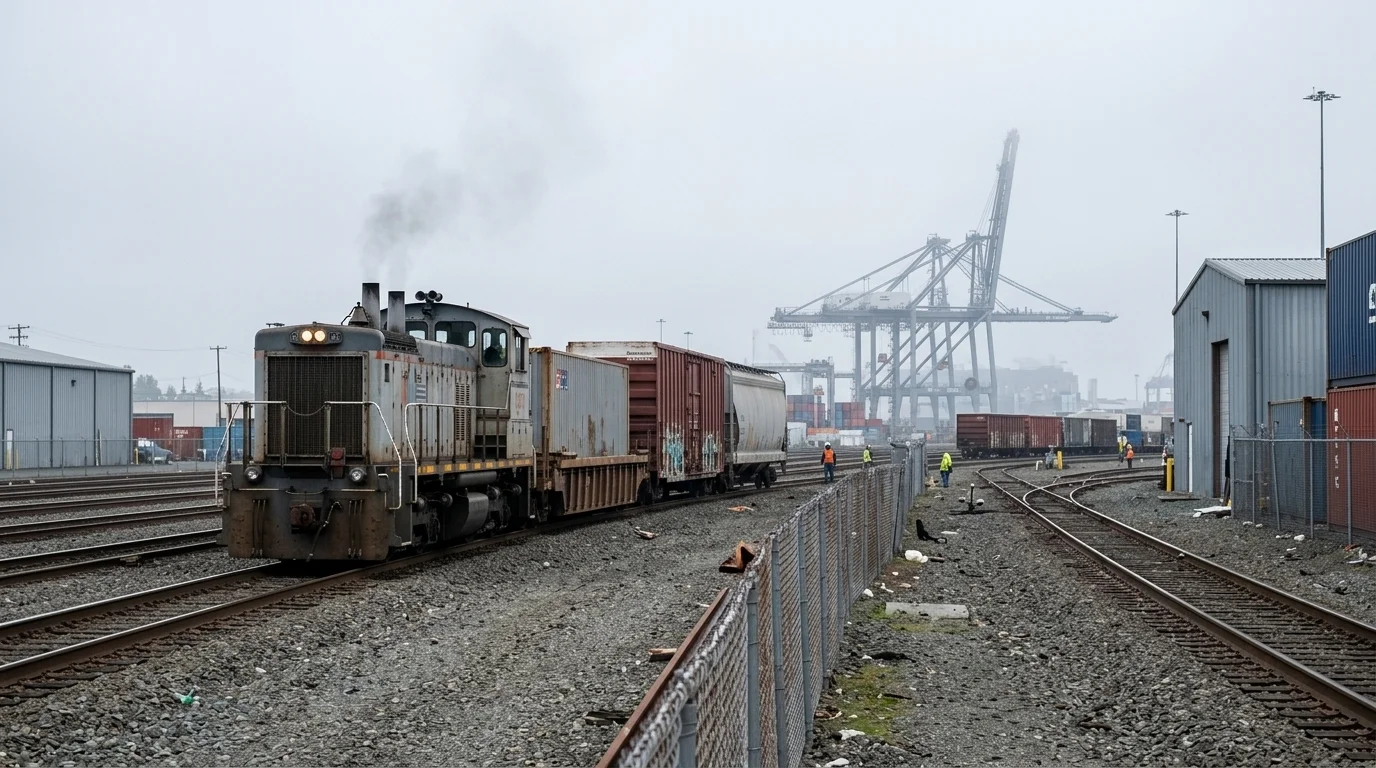
Tacoma, Washington is moving to replace the diesel locomotives that shuffle railcars through its working waterfront with battery-electric engines, a procurement that would have been nearly impossible to fill just five years ago.
Tacoma Rail, one of the only municipally owned freight railroads in the United States, is seeking bids for battery-electric locomotives and charging infrastructure through the city's procurement office. The specific number of locomotives and the contract value have not been disclosed publicly.
The stakes are local and immediate. Tacoma Rail operates in the tideflats industrial zone beside the Port of Tacoma, the third-largest container port on the West Coast. The neighborhoods that sit downwind, including Eastside and South Tacoma, are working-class communities with documented elevated rates of asthma and cancer risk tied to decades of diesel exhaust. The Puyallup Tribe of Indians, whose treaty fishing rights cover adjacent waters and tidelands, has also pushed hard for port emissions reductions.
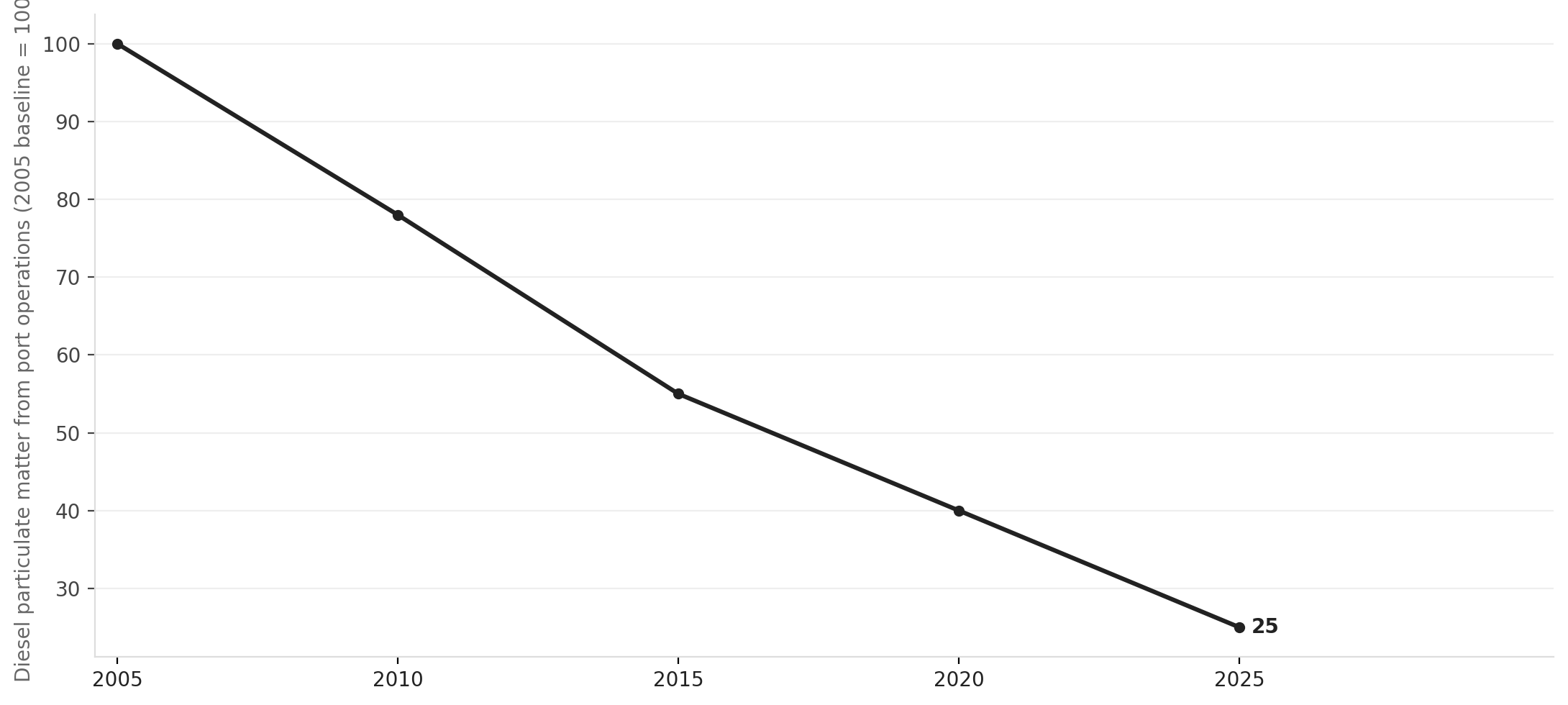
Source: NationGraph.
Switcher locomotives, the smaller engines that move railcars within a yard rather than haul long-distance freight, are among the dirtiest equipment in port operations. Many run on older diesel engines that predate modern EPA emissions standards and idle for hours at a time close to homes and schools.
The timing reflects a convergence of pressure and opportunity. The Northwest Ports Clean Air Strategy, adopted in 2008 and updated in 2020, calls for zero-emission cargo-handling equipment at seaports by 2030. Federal funding from the Bipartisan Infrastructure Law and the Inflation Reduction Act has made the transition more financially viable: the EPA's $3 billion Clean Ports Program, which began awarding grants in 2024, has directed more than $100 million to Washington state ports, including the Northwest Seaport Alliance, the joint operating partnership between Tacoma and Seattle. Washington's own Climate Commitment Act is also generating state revenue earmarked for freight decarbonization.
On the supply side, California's push for zero-emission locomotives has prompted manufacturers including Wabtec, Progress Rail and Stadler to bring battery-electric switchers to market. Wabtec's FLXdrive completed pilot runs with BNSF in 2021. The equipment exists now in a way it simply did not a decade ago.
How many locomotives Tacoma Rail ultimately buys, and when they would enter service, will become clearer as the procurement moves forward.