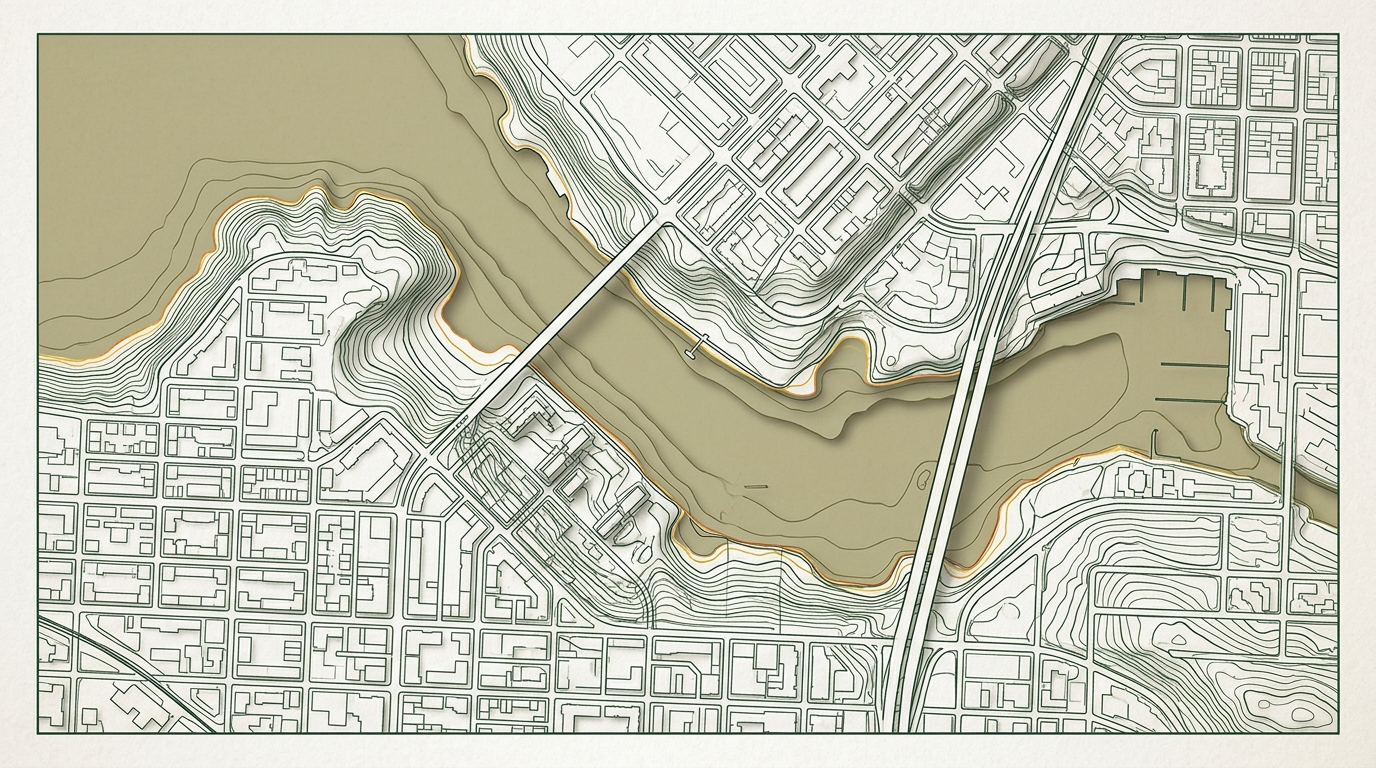
Vancouver is moving to rehabilitate the deteriorating shoreline along the Cambie area of False Creek, targeting marine and intertidal infrastructure that dates back to the city's Expo 86-era redevelopment and is increasingly inadequate for a coastline under pressure from rising seas.
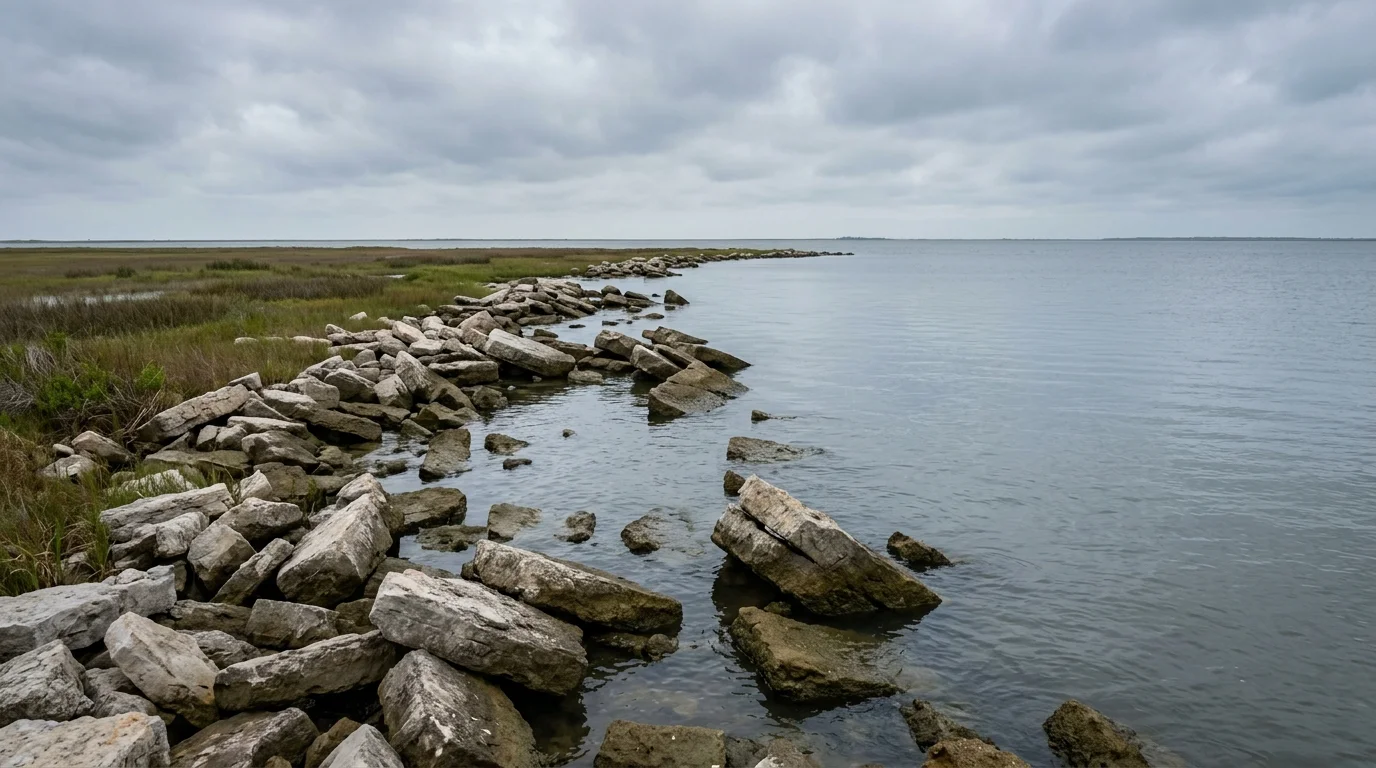
The stretch of waterfront sits adjacent to some of the city's most-used public spaces, including the dense residential neighborhoods that grew from the 2010 Olympic Village development, with the Cambie Bridge overhead and heavy public foot traffic along the seawall. The structures protecting that shoreline, riprap, retaining walls, and intertidal features, are reaching the end of their design life.
The stakes go beyond crumbling concrete. Vancouver's own coastal flood assessments project sea levels rising 0.5 to 1.0 meters by 2100, and a 2022 report estimated billions in city assets are exposed to coastal flooding risk. The Cambie project is part of a broader push the city has been making through its 2023-2026 Capital Plan to harden shorelines and restore natural intertidal habitat before conditions worsen. The work on False Creek fits a pattern the city has been accelerating across its more than 70 kilometers of shoreline on Burrard Inlet, False Creek, and the Fraser River, as covered in earlier reporting on Vancouver's False Creek fortification efforts.
Marine construction of this kind is specialized work. Building and repairing intertidal zones requires barges, sheet pile equipment, strict tidal construction windows, and federal environmental approvals under the Fisheries Act, given the area's proximity to salmon habitat in the Fraser River estuary. Only a handful of firms in the Pacific Northwest have that capacity, and Vancouver's notoriously expensive and competitive construction market makes contractor selection especially consequential.
To manage that risk, the city is screening contractors through a prequalification process before opening competitive bidding, a standard approach for complex marine projects. Only firms that clear the prequalification will be invited to submit full bids. A total project cost has not been disclosed publicly. Competitive tendering is expected to follow once the qualified contractor pool is established.