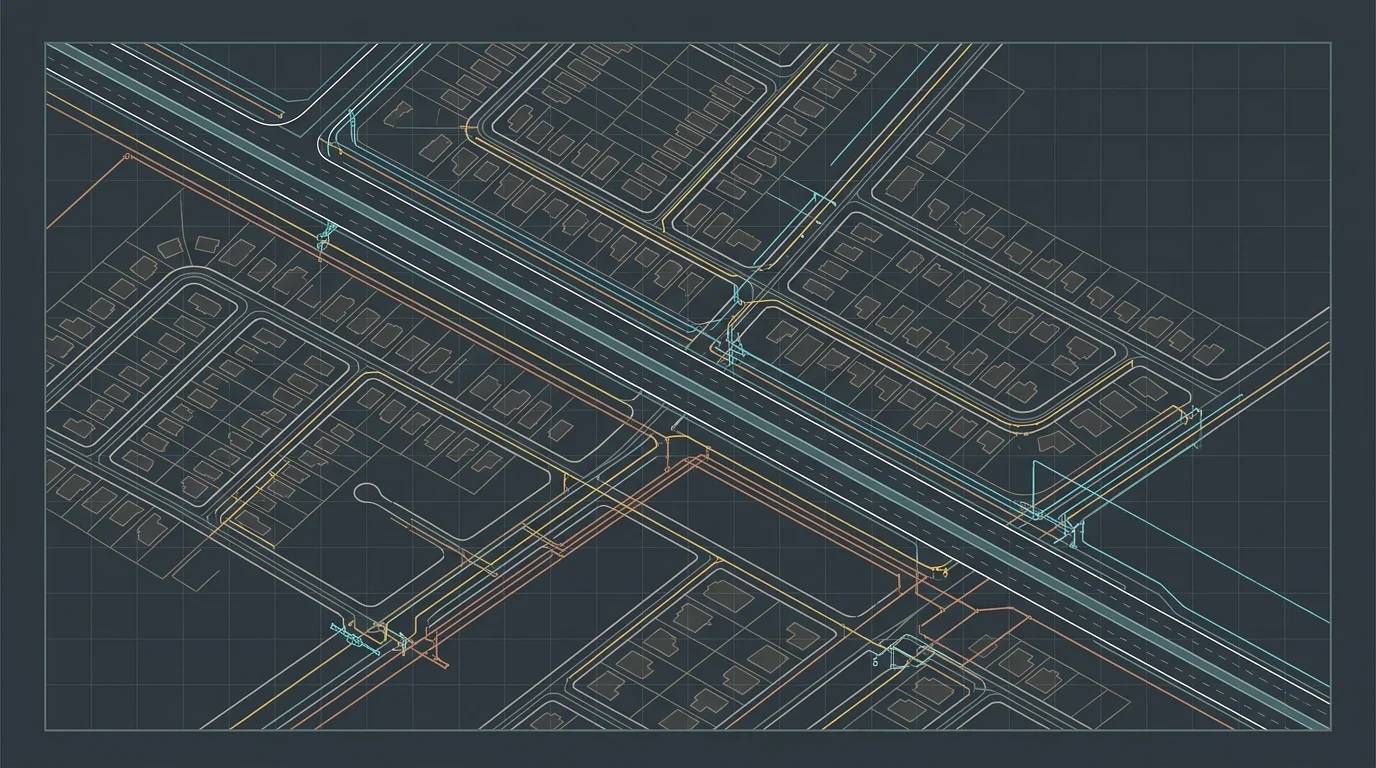
San Luis Obispo, Calif., is pushing to extend high-speed internet to neighborhoods that have gone without it, tapping into the wave of federal broadband dollars flowing to cities and counties across the state.
The city posted a competitive solicitation for a Broadband Implementation Project in November 2026, designating it as tied to a Federal Funding Agreement. That classification almost certainly links it to the $42.45 billion Broadband Equity, Access, and Deployment program created by the 2021 Infrastructure Investment and Jobs Act, which California is currently distributing to local governments through its own broadband framework. Specific dollar amounts, the number of households targeted, and which technology will carry the signal, fiber or fixed wireless, were not disclosed in publicly available records.
The need is real even in a city that projects a prosperous image. While San Luis Obispo's roughly 48,000 residents are often associated with Cal Poly and California's Central Coast lifestyle, lower-income neighborhoods within the city and agricultural communities across the broader region have dealt with spotty or nonexistent broadband for years. Remote schooling during the COVID-19 pandemic put the problem in sharp relief, and a subsequent surge of remote workers moving to the area discovered that reliable home internet was not a given.
San Luis Obispo has an advantage many California cities lack: a municipal fiber backbone the city built over the past decade that could serve as a foundation for pushing connections to the last mile, the final stretch from a network hub to individual homes.
The project arrives at a complicated moment for the state's broadband ambitions. California launched a $6 billion broadband package in 2021 under SB 156, the largest state investment of its kind in the country, but the rollout of the state's middle-mile network drew criticism over cost overruns and scaled-back routes. At the federal level, the Trump administration's 2025 changes to BEAD rules, removing earlier requirements around labor standards and affordability and opening the door to satellite alternatives, reshaped how states and cities can spend the money and delayed projects nationwide. San Luis Obispo will need to navigate those shifting requirements while keeping construction on track.
The city is part of the Central Coast Broadband Consortium, a regional coalition that has spent years mapping connectivity gaps in places like Oceano, the Nipomo Mesa and unincorporated county fringes. Whether this project focuses on city limits or reaches into those harder-to-serve pockets is not yet clear from the available record. Contractor selection and a final project scope will come into focus as the city works through its solicitation process in the months ahead.