The forests around Red Feather Lakes, Colorado are getting a large-scale overhaul aimed at preventing the next catastrophic wildfire from turning them into an inferno.
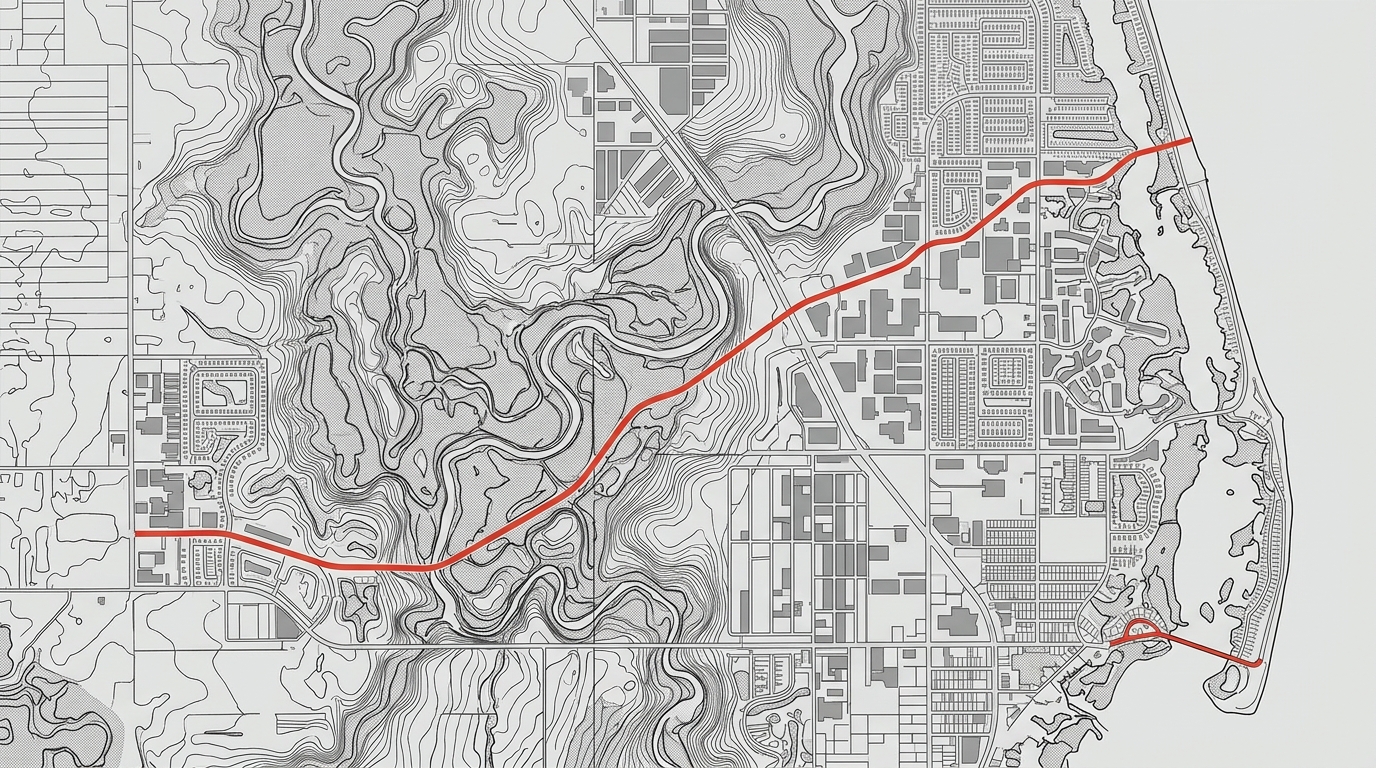
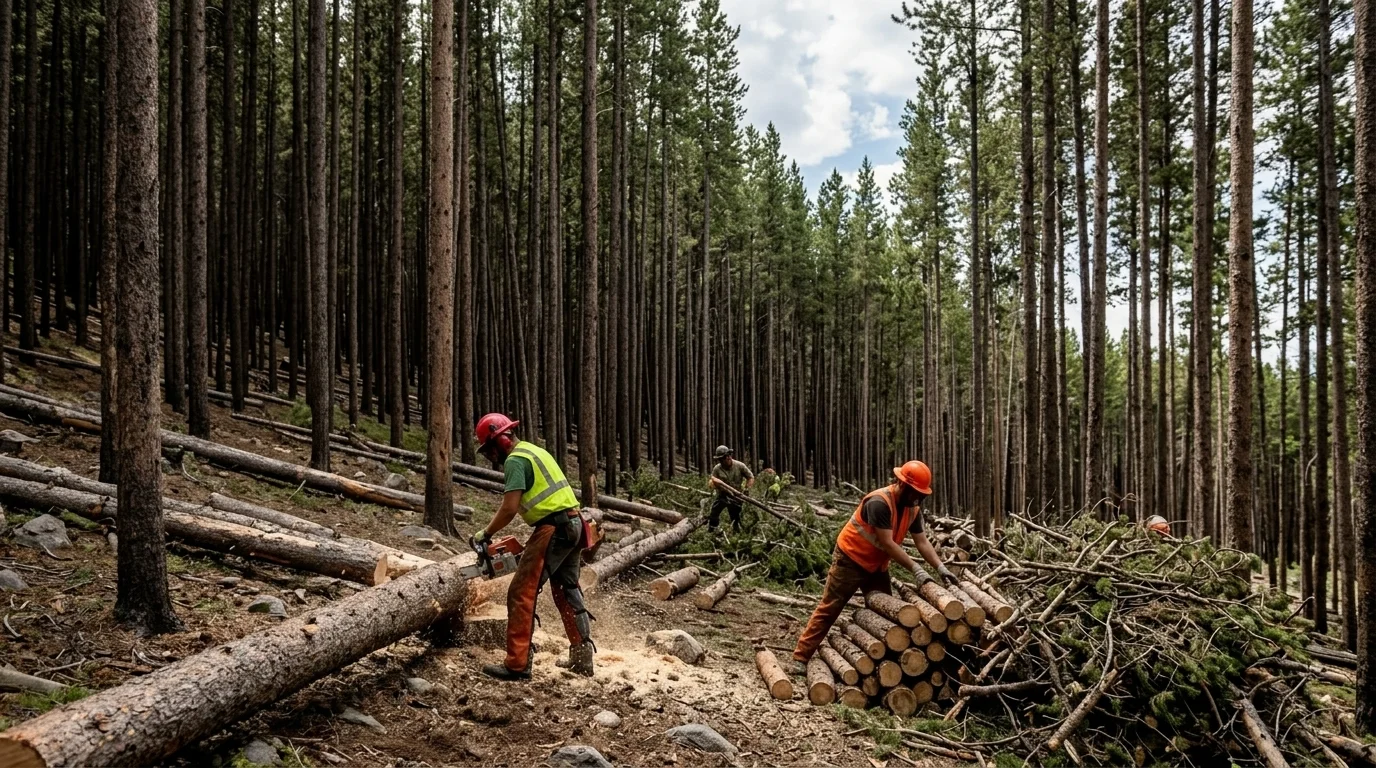
A new federal project is bringing stand-scale forest treatments to the mountain community roughly 50 miles northwest of Fort Collins in Larimer County. That means thinning and fuels reduction across entire forest stands, sometimes covering dozens to hundreds of acres at a time, rather than the smaller brush-clearing work done around individual homes. The goal is to change how a fire behaves before it reaches a neighborhood, not just slow it down at the doorstep.
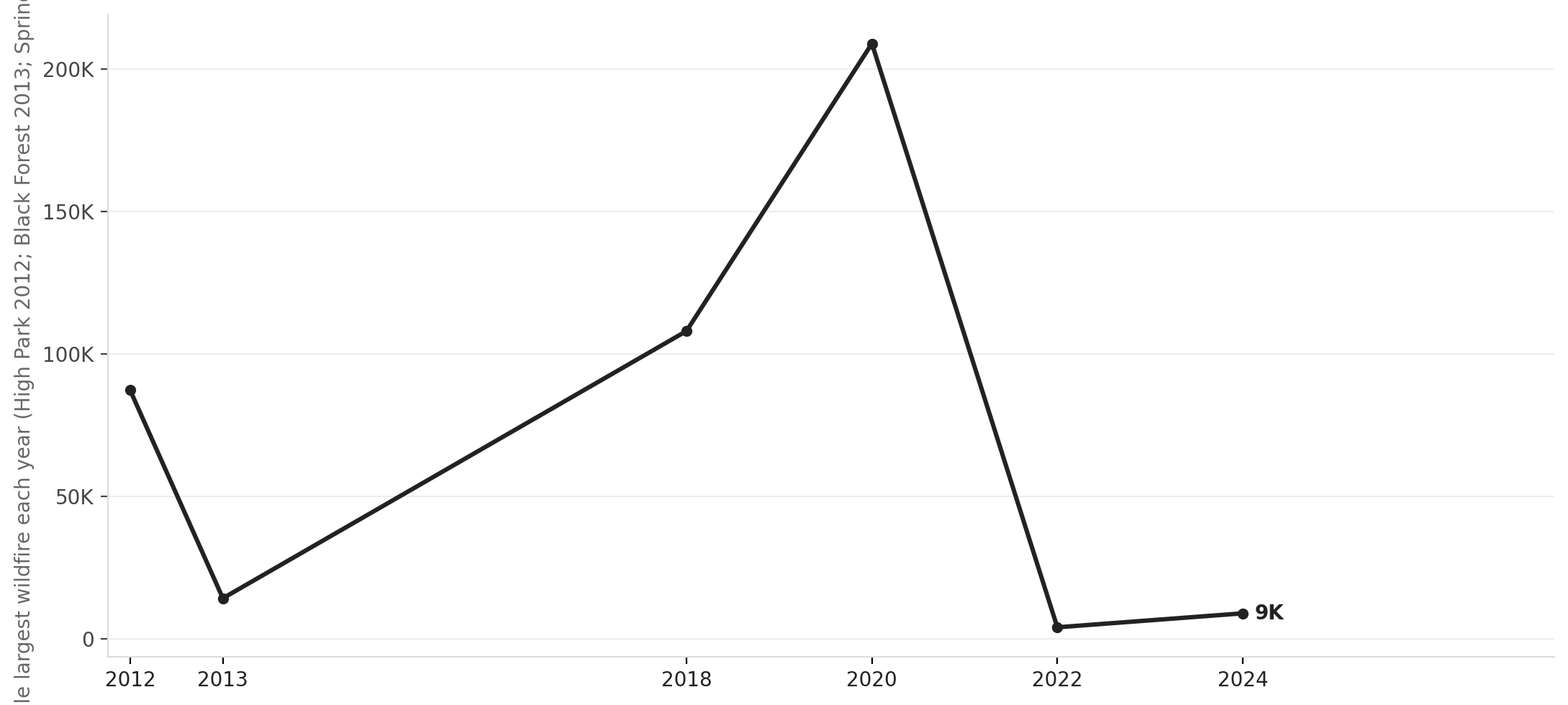
The effort comes six years after the Cameron Peak Fire burned through and around the Red Feather Lakes area in 2020, scorching 208,913 acres and becoming the largest wildfire in Colorado's recorded history. The fire destroyed hundreds of structures in Larimer County and reshaped the region's relationship with its forests. The 2012 High Park Fire, at 87,000 acres, had already made Larimer County one of the most fire-scarred jurisdictions in the state.
Source: NationGraph.
Red Feather Lakes sits above 8,000 feet in densely forested terrain dominated by lodgepole pine and ponderosa, exactly the fuel types prone to high-severity crown fires that race through tree canopies faster than any crew can contain them. The community has roughly 500 to 600 year-round residents, with that number rising sharply in summer as seasonal cabin owners arrive.
The stakes extend well beyond fire itself. Post-fire debris flows have already contaminated portions of the Cache la Poudre River watershed, which supplies drinking water to Fort Collins. And a growing insurance crisis has made fuels reduction work directly tied to whether mountain residents can keep their homes insurable: multiple major carriers have dropped policies in Colorado mountain zip codes since 2023.
The project reflects a broader shift in federal forest strategy. The U.S. Forest Service's 10-year wildfire plan, backed by billions in funding from the 2022 Bipartisan Infrastructure Law and the Inflation Reduction Act, identified the Colorado Front Range as one of 21 priority landscapes nationally. The core argument: a century of fire suppression packed forests with fuel, and only landscape-scale treatment can undo that.
The Red Feather Lakes Area Wildfire Defense Project solicitation was posted July 15 through the Rocky Mountain Bid System. The listed agency is Rocky Mt Arsenal, likely a federal contracting conduit rather than the wildlife refuge of the same name in Commerce City; the exact administering agency warrants confirmation.
How quickly contractors can be selected and work can begin will determine whether treatment keeps pace with the next fire season.