Port Arthur, Texas is getting nearly $2.5 million in federal transit funding to modernize a bus system that serves some of the most transit-dependent residents in the state, including a push to bring long-overdue ADA accessibility to bus stops that still don't meet the standards set more than three decades ago.
The Federal Transit Administration grant of $2,473,969 flows to Port Arthur Transit through the FTA's Section 5307 urbanized area formula program, which was significantly expanded under the 2021 Bipartisan Infrastructure Law. For a transit agency serving a city of roughly 56,000 people where about one in four residents lives below the poverty line, a capital infusion of this size is significant.
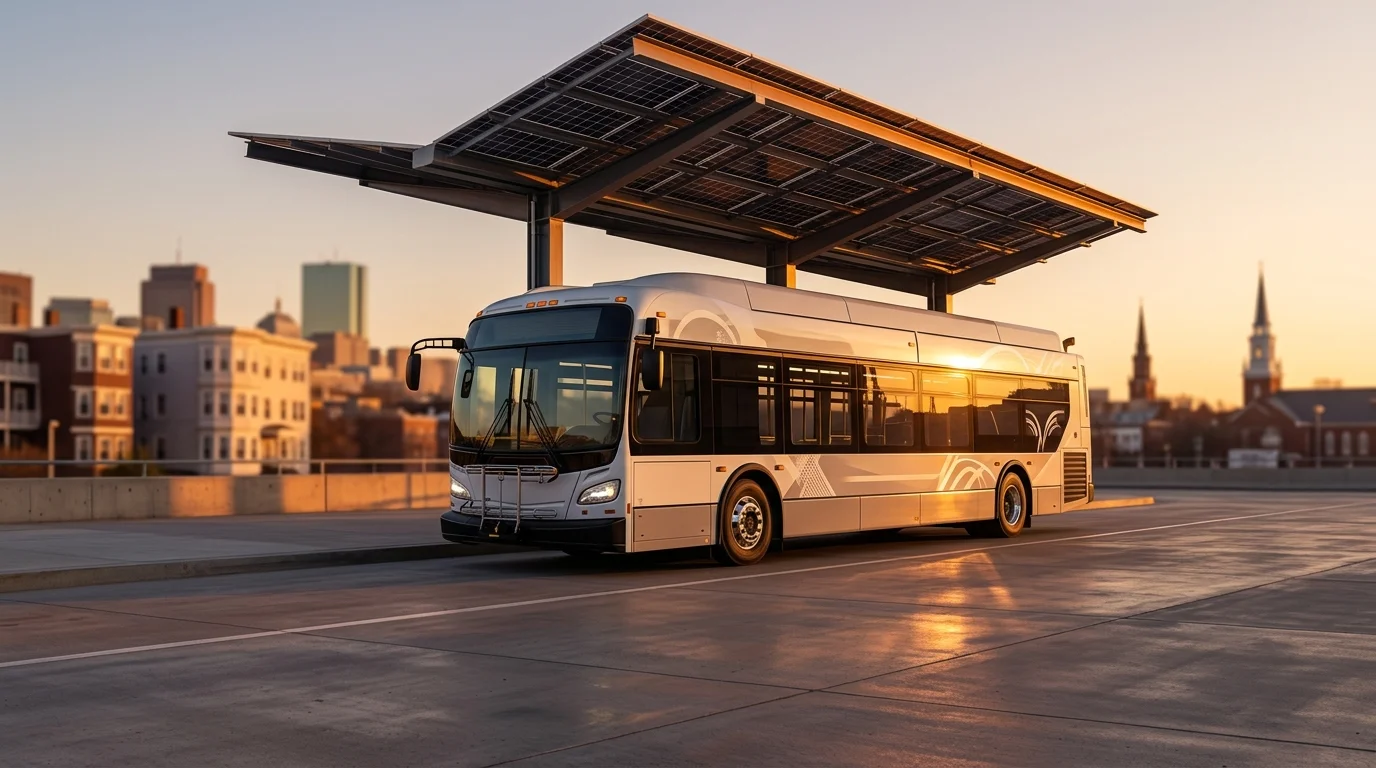
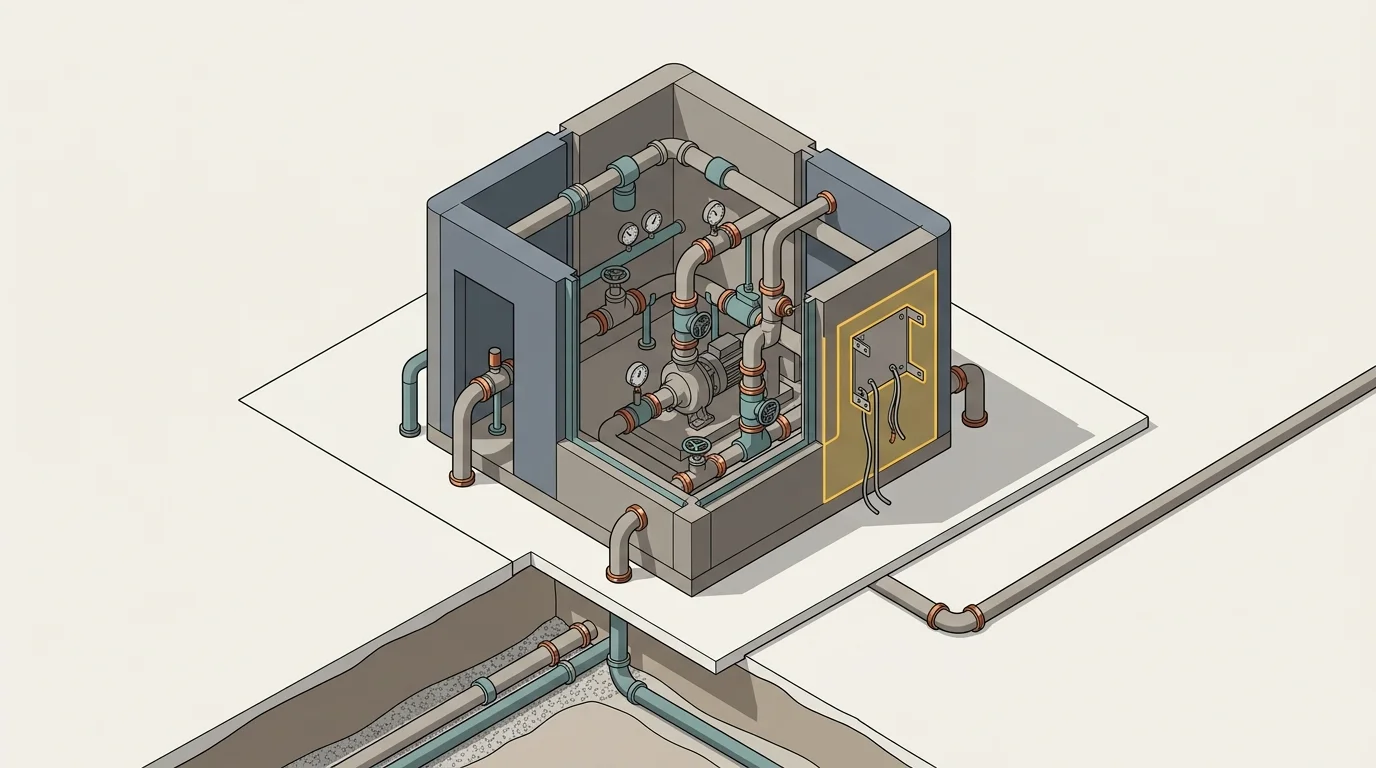
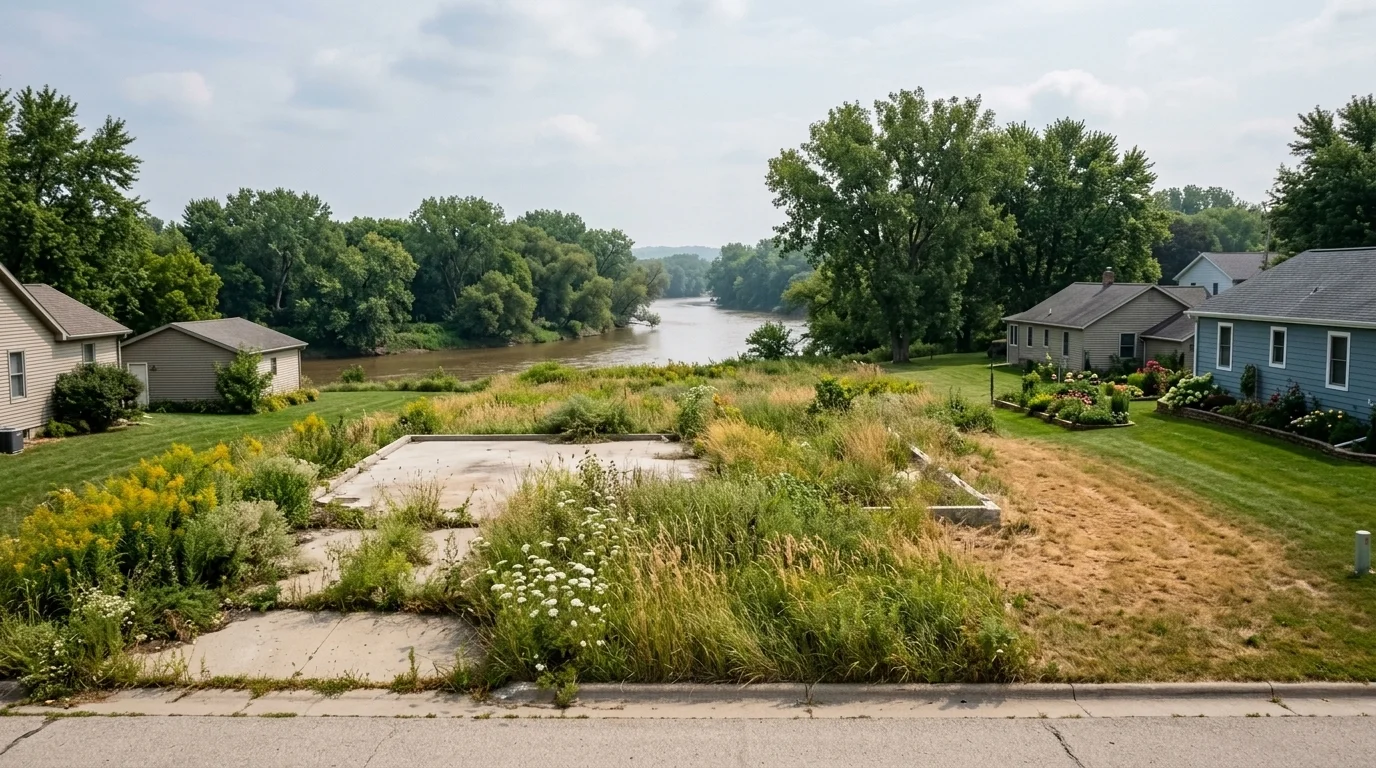
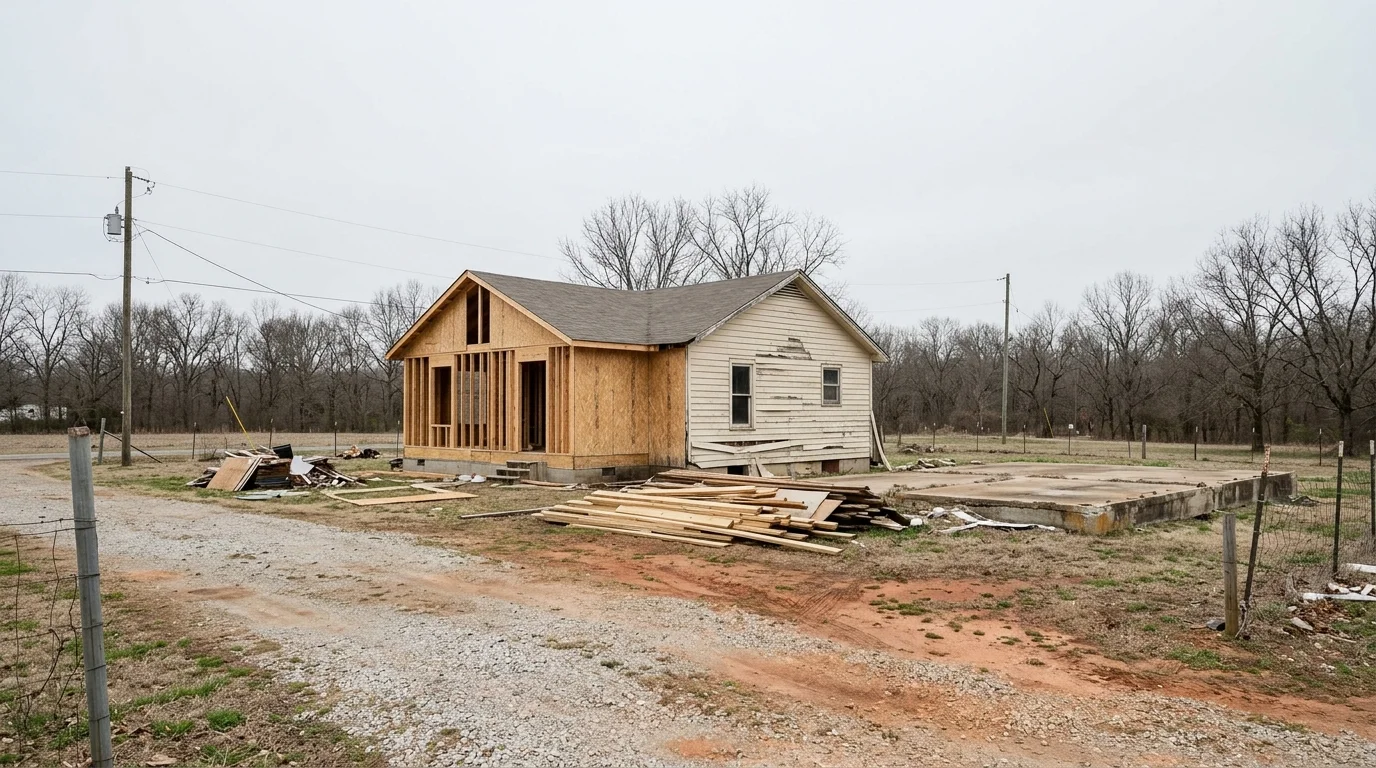
A portion of the funds will go toward building a new parking lot at 320 Dallas Avenue, the site of a former PAT maintenance building that was demolished. The lot will include overhead canopies and, critically, conduit for future electric vehicle charging. Installing that conduit now, during new construction, costs a fraction of what a retrofit would require later. The step mirrors a broader FTA push to get transit agencies ready for electric fleets before they actually buy the buses, a transition the federal government wants completed for all new transit bus purchases by 2040.
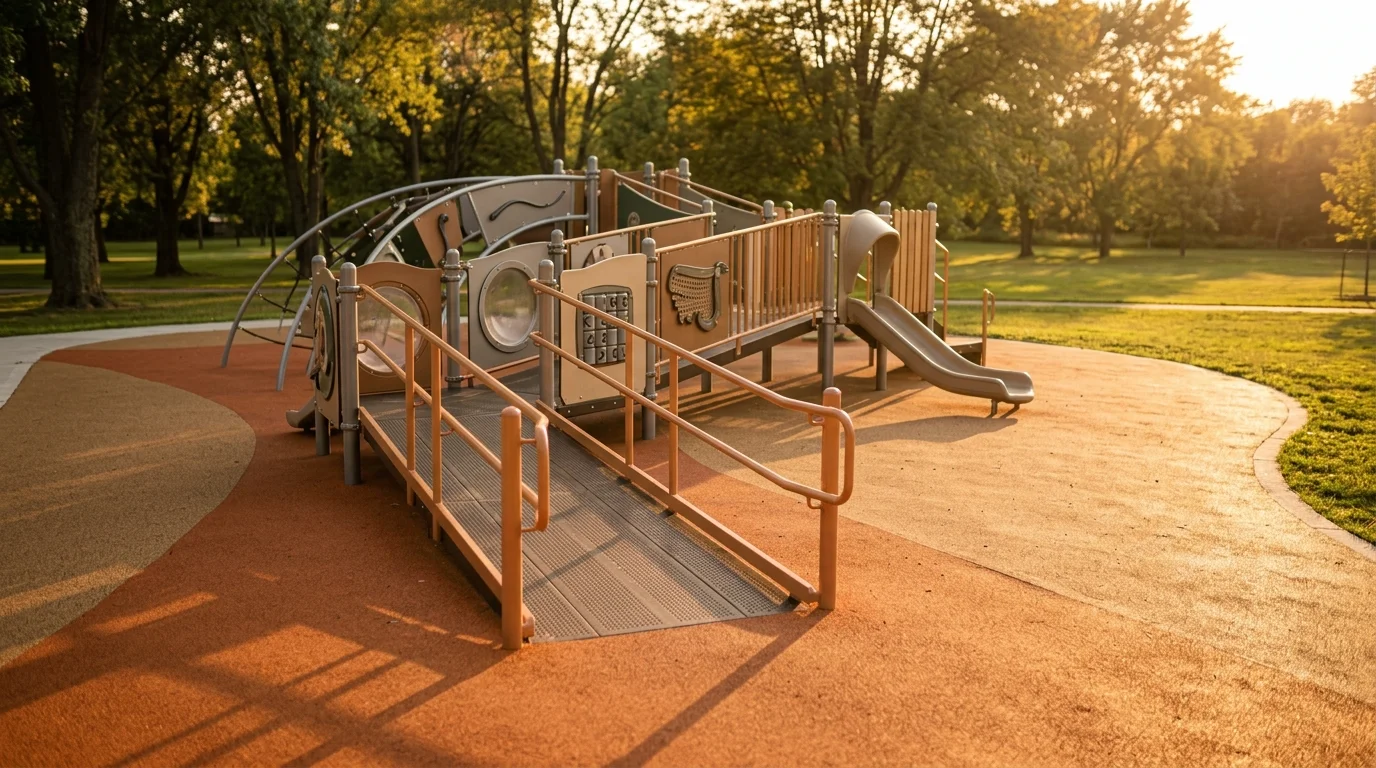
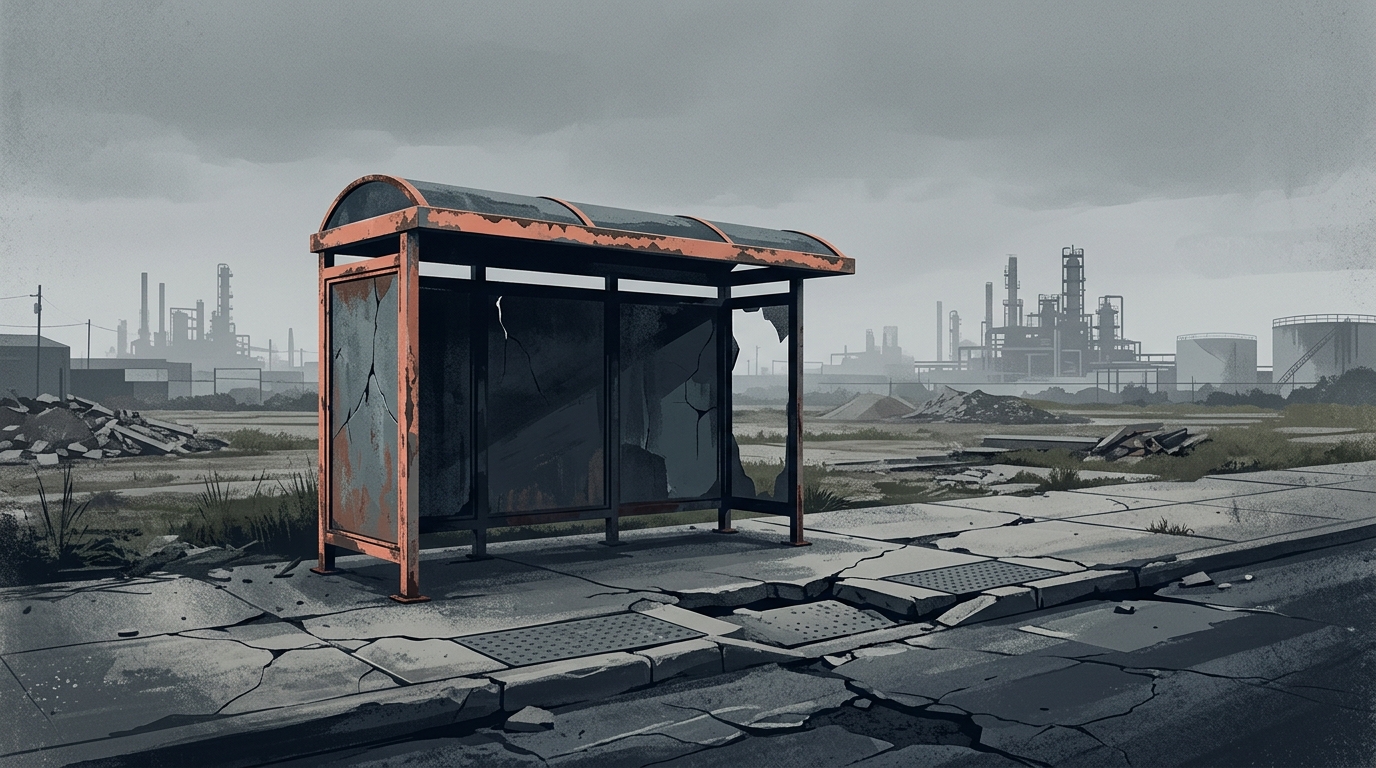
The ADA bus stop work may be the most consequential piece for daily riders. Port Arthur has higher-than-average disability rates, and many of its existing bus stops lack the concrete pads, tactile strips, and accessible connections that the Americans with Disabilities Act has required since 1990. Thirty-five years after that law passed, small and mid-size transit systems across the South are still playing catch-up. Similar upgrades have been funded in Chapel Hill, North Carolina and elsewhere, reflecting how widespread the gap remains.
The grant also covers operating expenses, including payroll, fuel, and parts for PAT's fixed-route and paratransit service. That's standard for Section 5307 funding, and for a small agency like PAT, it keeps the system running while capital projects move forward.
Port Arthur's infrastructure has been in various stages of rebuilding since Hurricane Harvey struck in 2017, dumping more than 60 inches of rain on the city and flooding much of it. The demolished maintenance building that once sat at 320 Dallas Avenue is part of that longer story of deferred repair and cascading capital needs.
The parking lot construction and bus stop redesigns are expected to go through engineering and permitting before breaking ground. No completion timeline has been publicly specified for the capital work, though operating funds are available immediately.