Philadelphia's port authority is moving to physically build the electrical infrastructure that will let Tioga Marine Terminal run on grid power instead of diesel, a construction phase backed by roughly $47 million in federal climate funding.
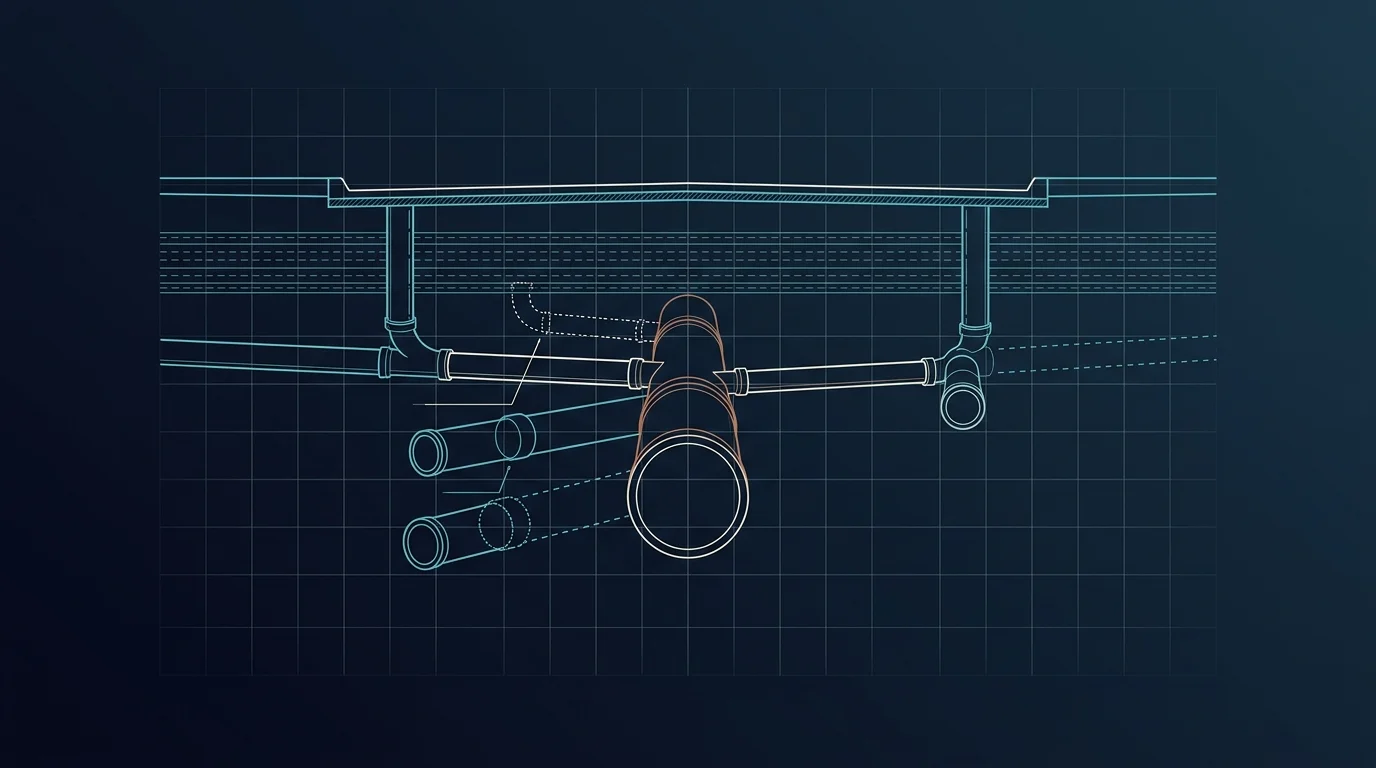
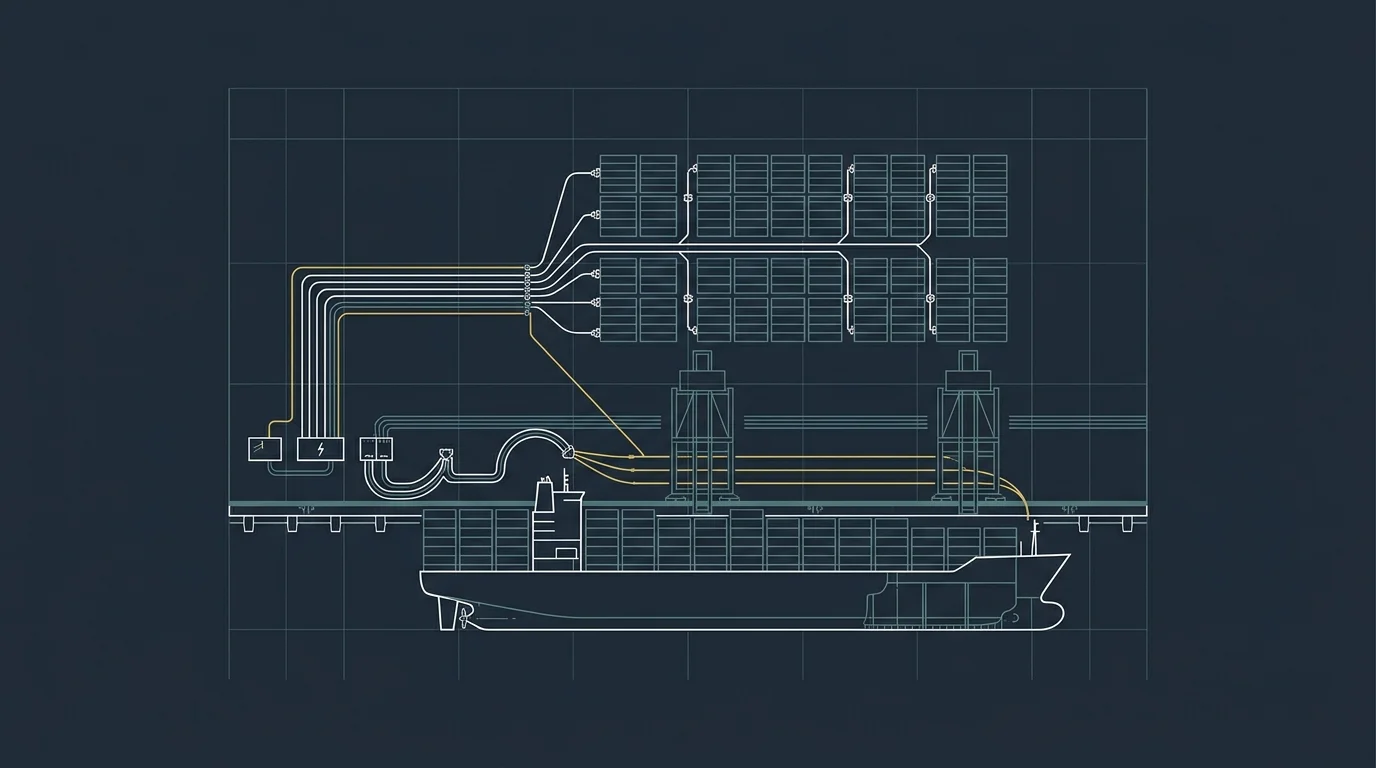
PhilaPort, which operates as a Commonwealth of Pennsylvania agency, posted a solicitation this summer seeking contractors to install the site infrastructure needed to electrify the 116-acre Delaware River terminal. The work will eventually allow ships at berth to plug into shore power rather than run their engines, replace diesel-powered cranes and yard equipment, and connect thousands of refrigerated cargo containers, called reefers, to the electrical grid instead of idling diesel generators.
That last piece matters a lot at Tioga. The terminal is PhilaPort's primary hub for refrigerated produce, handling a large share of the Chilean grapes and Central American bananas entering the U.S. East Coast. On any given day, thousands of reefer containers are keeping fruit cold, most of them drawing power from diesel. Electrifying those plugs alone represents one of the largest single emissions reduction opportunities at any East Coast port.
The funding behind this project comes from the EPA's Clean Ports Program, created by the 2022 Inflation Reduction Act as part of a broader $3 billion federal push to decarbonize U.S. ports. PhilaPort was awarded approximately $47 million in the program's first round in early 2024. The grant set this construction phase in motion.
The stakes extend beyond cargo logistics. Tioga sits alongside Port Richmond, Bridesburg and Kensington, working-class North Philadelphia neighborhoods that have absorbed decades of diesel exhaust from trucks, ships and terminal equipment. Environmental health advocates, including the Clean Air Council, have long pointed to elevated asthma rates in those communities amid port emissions. Pennsylvania has no state mandate requiring port electrification, so this transition is being driven by federal dollars and PhilaPort's own long-range planning rather than regulation.
PhilaPort has been pursuing a capital modernization program since a 2016 Port Development Plan that committed roughly $300 million in state funds to expansion. The electrification project represents the point where years of planning and grant applications turn into conduit, switchgear and cleaner air for the surrounding neighborhoods.
Bid documents are available through PhilaPort's procurement portal at philaport.bonfirehub.com.