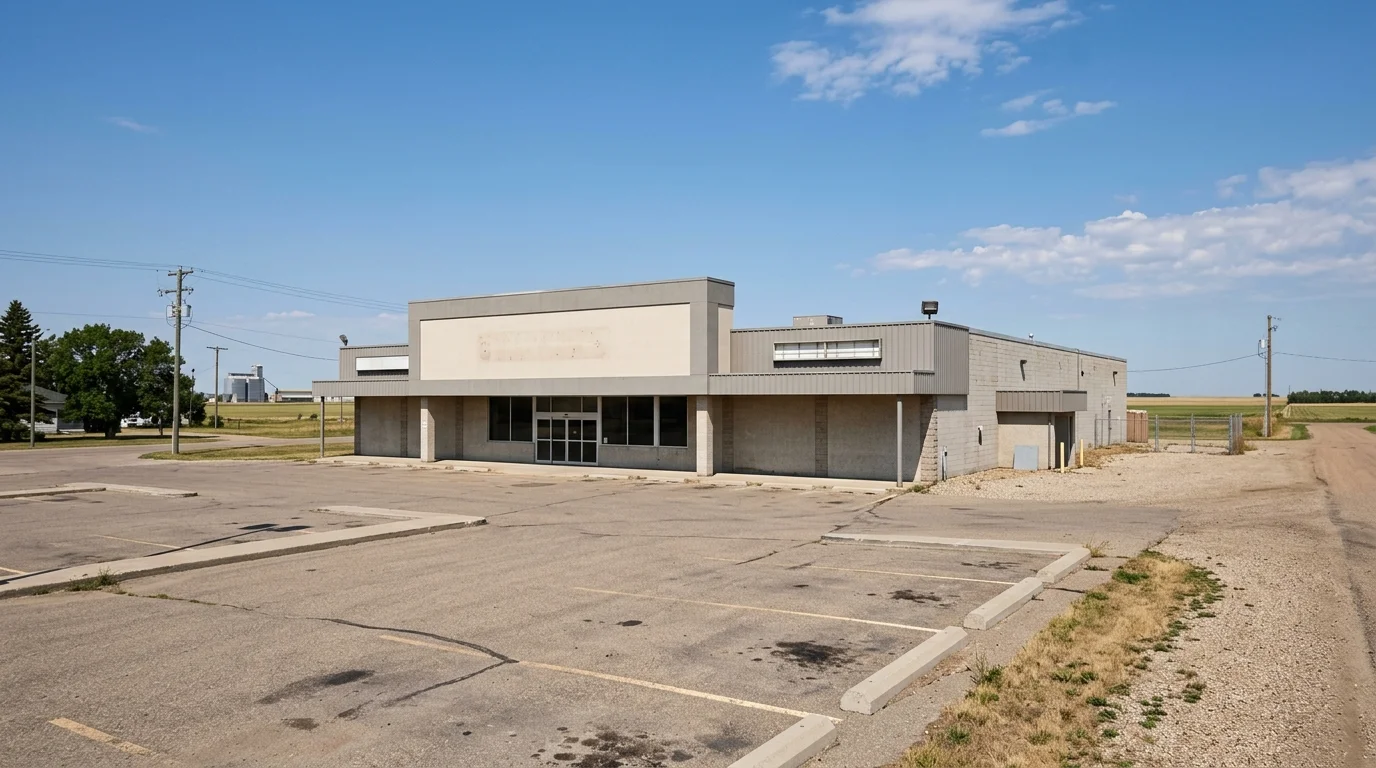
Tattooing has always happened inside Pennsylvania's prisons. Now the state wants to make it official.
The Pennsylvania Department of Corrections is launching a tattoo artist apprenticeship program at SCI Frackville, a medium-security men's prison in Schuylkill County, northeastern Pennsylvania. The program would give incarcerated men structured training in a trade with real earning potential after release, and address a longstanding public health problem at the same time.
Unsanitary underground tattooing is endemic in prisons nationwide and a documented vector for Hepatitis C and HIV transmission. A state-supervised apprenticeship, with sterile equipment and proper technique, would reduce those risks while producing something inmates rarely leave prison with: a portable, marketable skill.
Source: NationGraph.
The U.S. tattoo industry generates more than $3 billion annually and has shed much of its former cultural stigma. Trained artists with credentials can find steady work or build independent businesses, putting the trade in a different category from many vocational programs offered behind bars.
The effort fits a broader push by the Shapiro administration to expand registered apprenticeships across Pennsylvania, including inside its 23 state correctional institutions. The Department of Corrections has already registered programs in barbering, culinary arts and building trades. Gov. Josh Shapiro has made apprenticeships a signature workforce policy, including eliminating four-year degree requirements for most state government jobs.
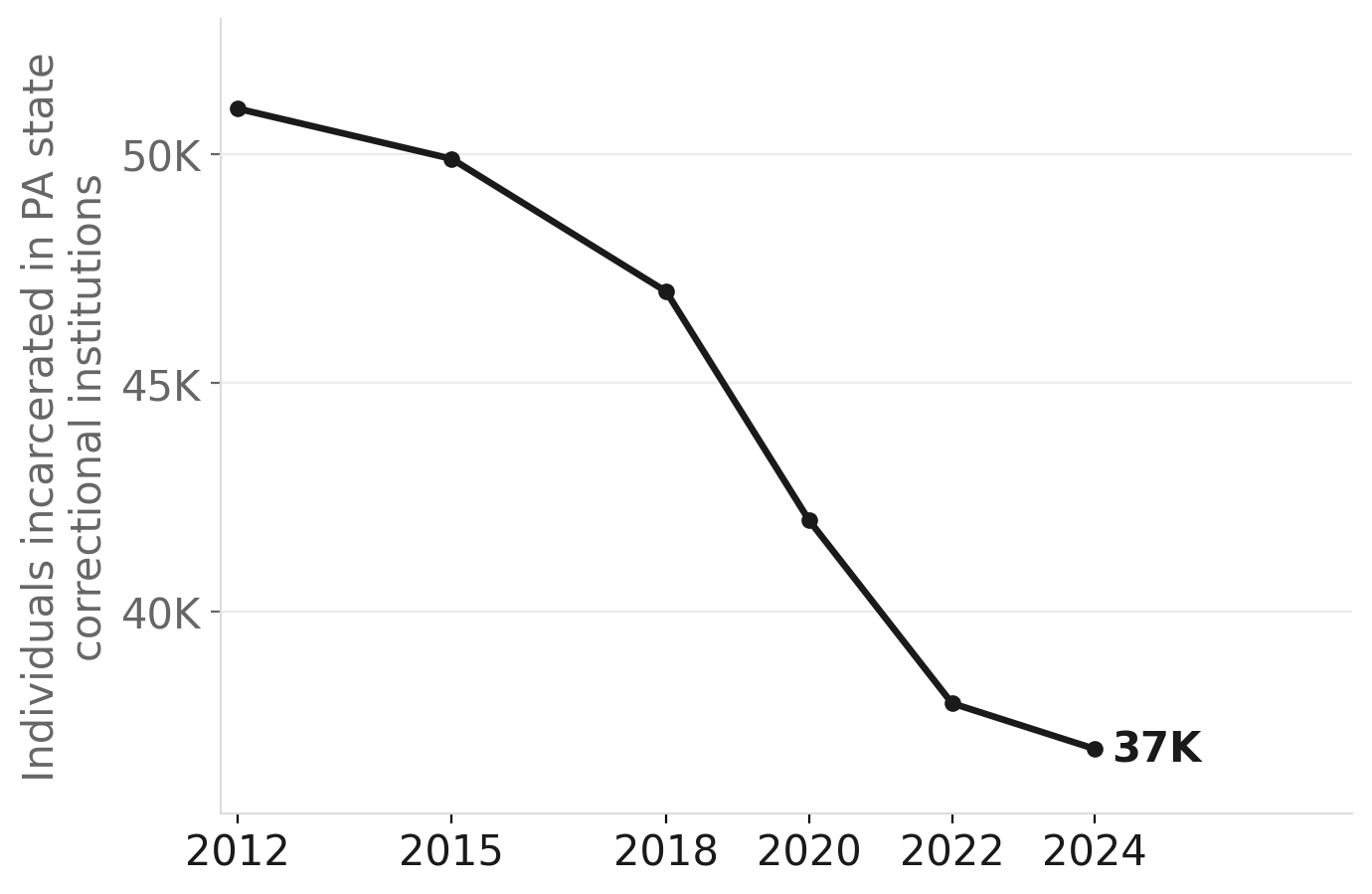
Pennsylvania's prison population has dropped from a peak of roughly 51,000 in 2012 to under 37,000 today, and the DOC has reframed its facilities around reentry and job readiness. The tattoo apprenticeship is an unusual step even by those standards. A similar pilot inside Canada's federal prison system showed positive health outcomes when it ran in 2005 and 2006, but was shut down for political reasons. A state-run program of this kind in the U.S. would be rare.
SCI Frackville holds roughly 1,000 to 1,100 people and is one of the largest employers in a rural county still recovering from the collapse of the coal industry.
The department has posted a solicitation seeking a contractor to lead the program. Details on the contract value, program length and number of participants have not been made public. Once an instructor is selected and the program launches, it could become a test case for whether an unconventional trade credential can move the needle on recidivism in a state where roughly 62 percent of released individuals are rearrested within three years.