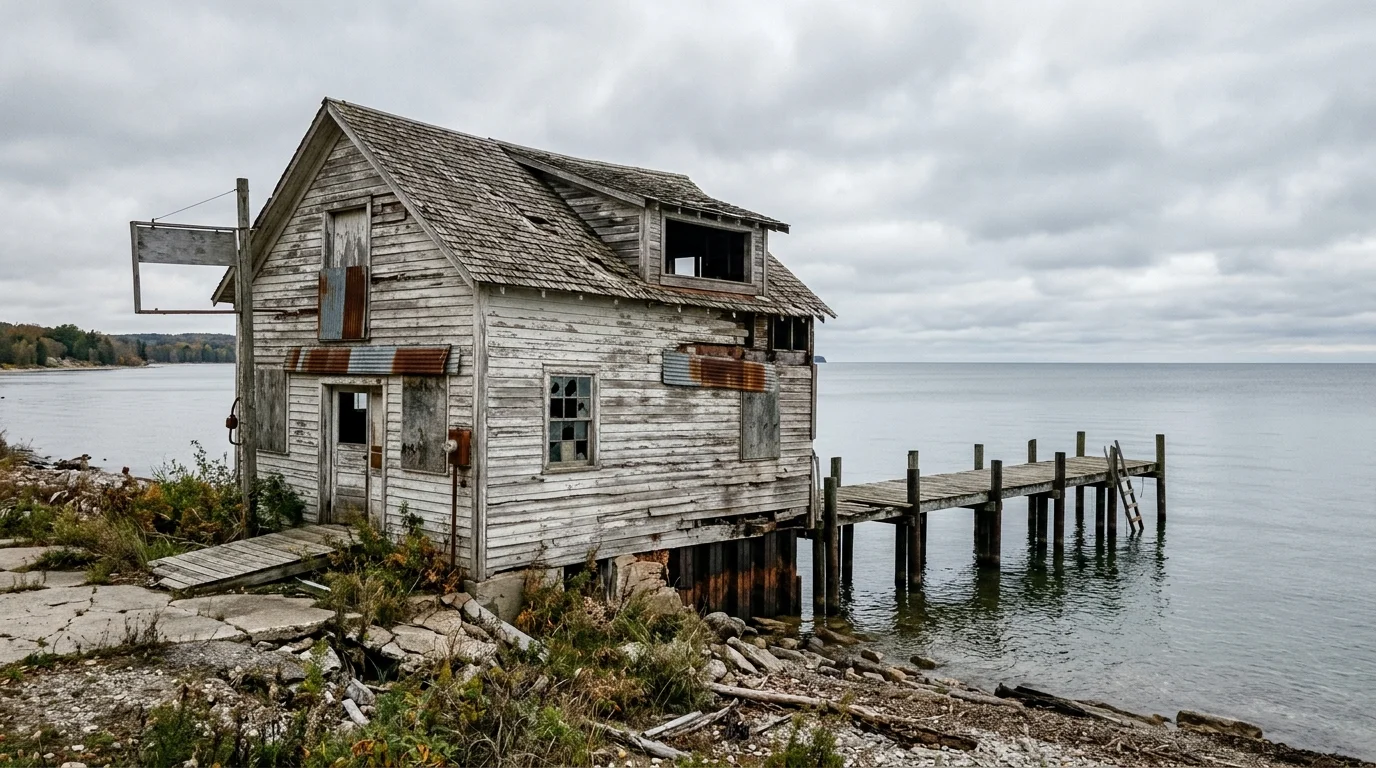
On a Leelanau Peninsula shoreline increasingly defined by vacation homes and wine tourism, the Grand Traverse Band of Ottawa and Chippewa Indians is moving to restore a working piece of its heritage: Beaver's Landing, a historic tribal fishing site that has fallen into disrepair.
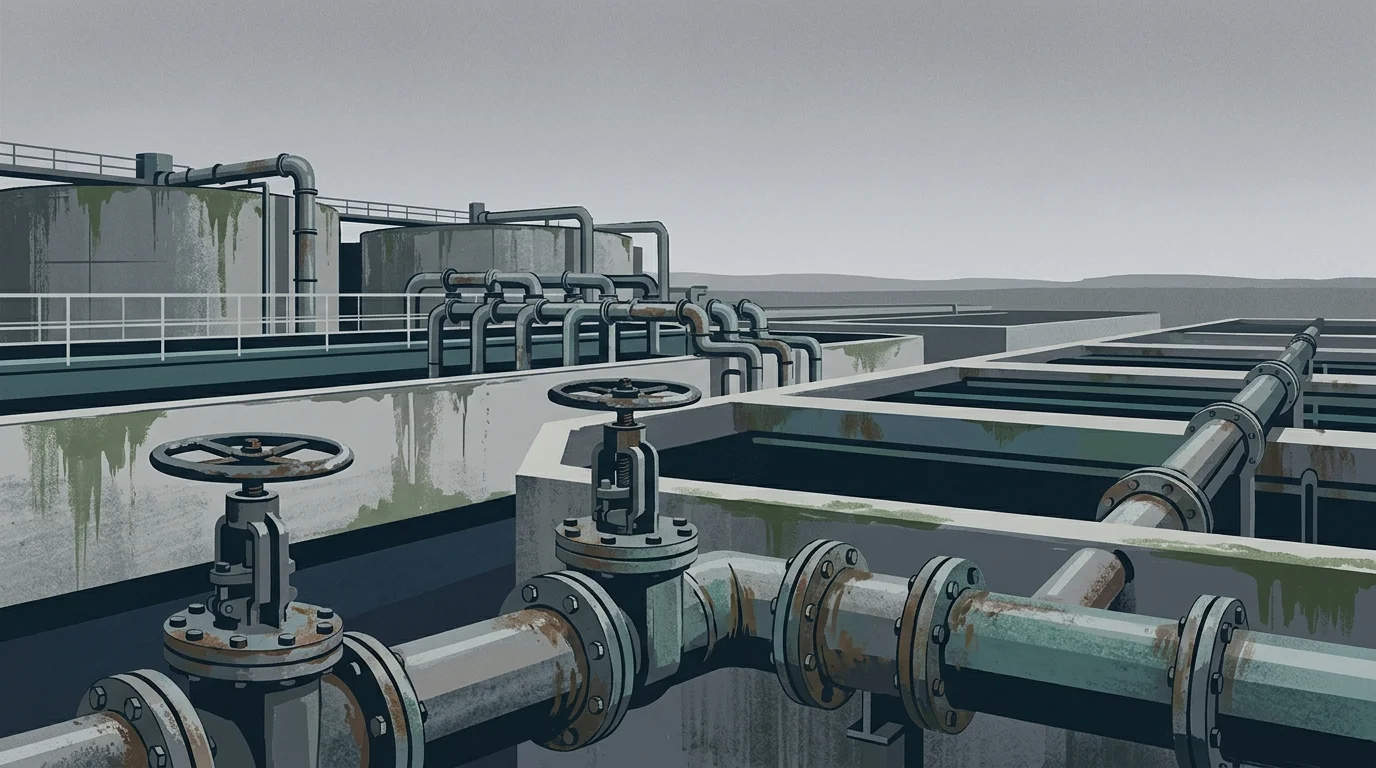
The tribe has put out a call for contractors to clean up the fish processing building and marina at Beaver's Landing, according to a solicitation posted through the Michigan Inter-governmental Trade Network. The project likely involves some combination of demolition, environmental remediation, and site restoration, though full details of the scope and cost are available in the complete solicitation.
The cleanup is both practical and symbolic. Beaver's Landing is one of the Grand Traverse Band's historic access points to the Great Lakes fishery, and restoring it would give tribal commercial fishers a working landing where they can bring in, process, and sell catch. For the roughly 4,000-member tribe, headquartered in nearby Peshawbestown, fishing is woven into Anishinaabe identity. Whitefish, lake trout and walleye have sustained these communities for generations.
Source: NationGraph.
The tribe's right to fish these waters is guaranteed by the 1836 Treaty of Washington, but those rights were largely suppressed for a century until federal courts restored them beginning in 1979. A new Great Lakes Consent Decree, finalized in 2023, now governs tribal fishing access through 2043 and expanded some tribal harvest zones, giving the Grand Traverse Band stronger footing to invest in the infrastructure that actually makes fishing possible.
The timing also reflects a broader moment for tribal investment. Pandemic-era federal relief and the 2021 Bipartisan Infrastructure Law directed unprecedented funding toward tribal governments, and many tribes are using that window to rehabilitate long-neglected sites on trust land.
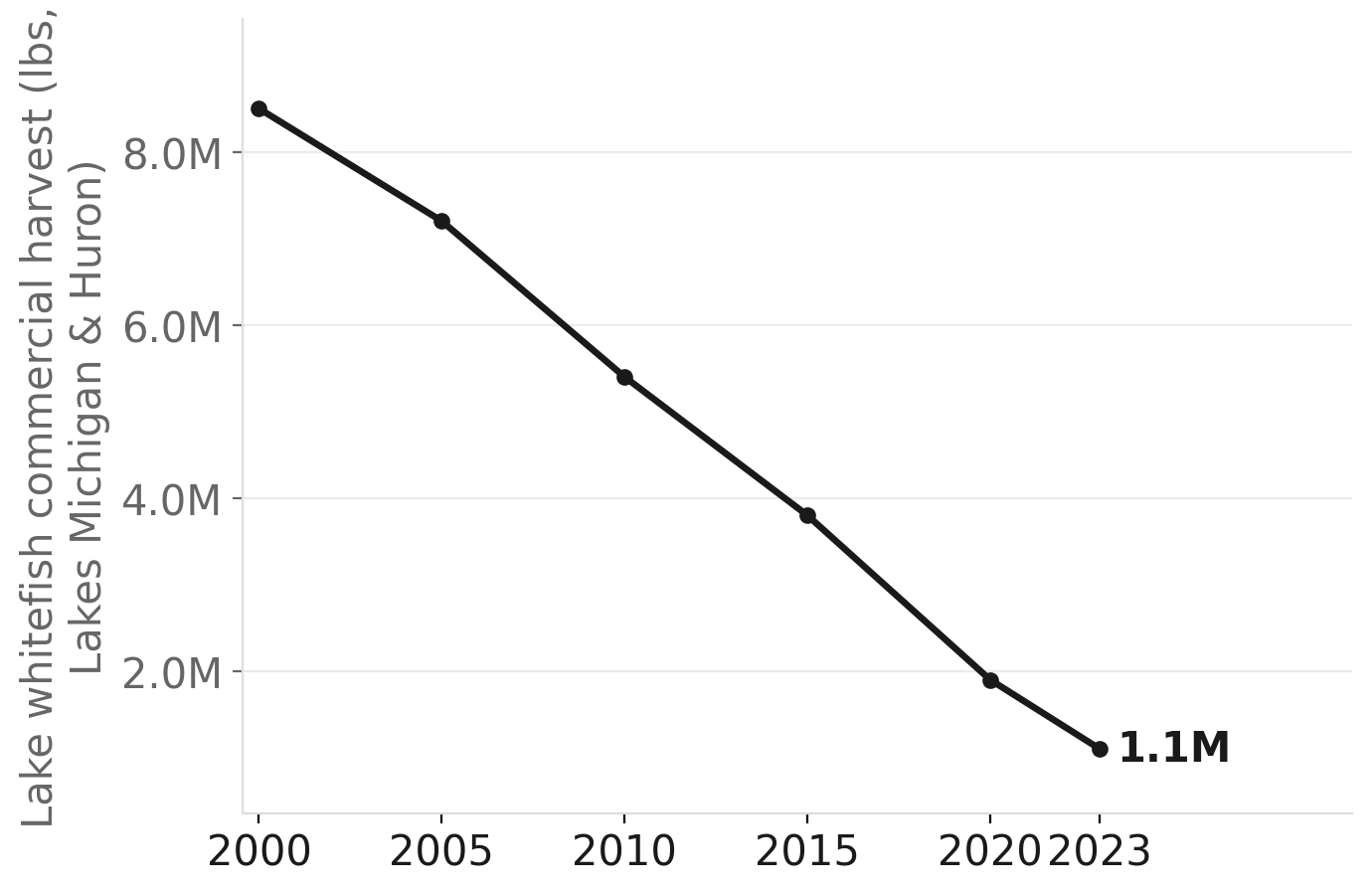
The restoration faces real headwinds beyond the cleanup itself. Leelanau County has transformed dramatically as Traverse City boomed into a tourism and second-home destination, pushing waterfront property values to heights that have squeezed working uses like commercial fishing off the shoreline. Compounding that pressure, invasive quagga mussels have disrupted Great Lakes food webs and contributed to declining whitefish populations, threatening the very fishery this infrastructure is meant to support.
Contractor selection is now underway, with the timeline for the cleanup to be determined once bids are reviewed.