For dozens of remote Alaskan communities strung along the Aleutian Chain and Kodiak Island, the M/V Tustumena isn't just a ferry. It's the road. Now, after more than a decade of false starts, Alaska is moving to replace the 60-year-old vessel with a new ocean-class ship capable of handling the punishing Gulf of Alaska crossing.
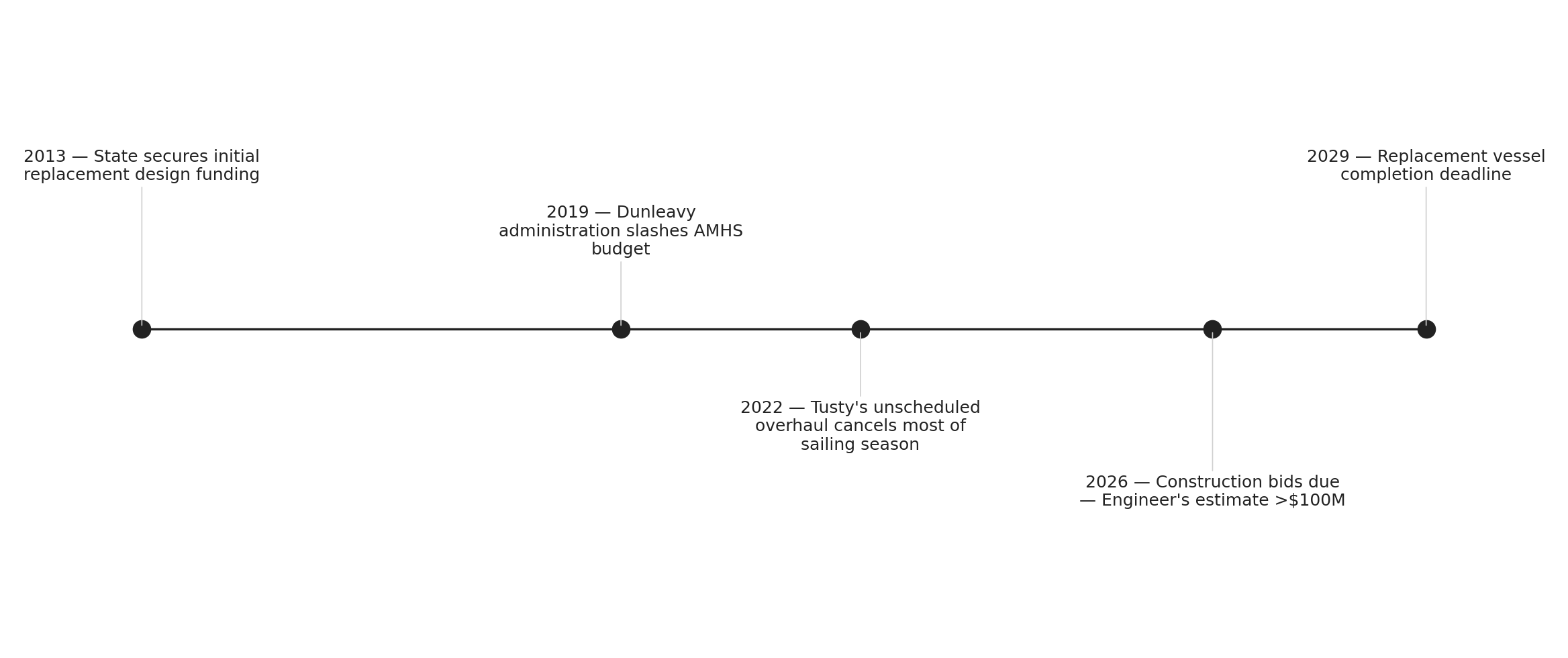
The Alaska Department of Transportation and Public Facilities has posted a bid solicitation for the Tustumena's replacement, with an estimated construction cost exceeding $100 million and a completion deadline of Jan. 31, 2029. The new vessel will carry more passengers and vehicles than the aging original, with updated safety systems and better seaworthiness for the open-ocean routes the current ship uniquely handles.
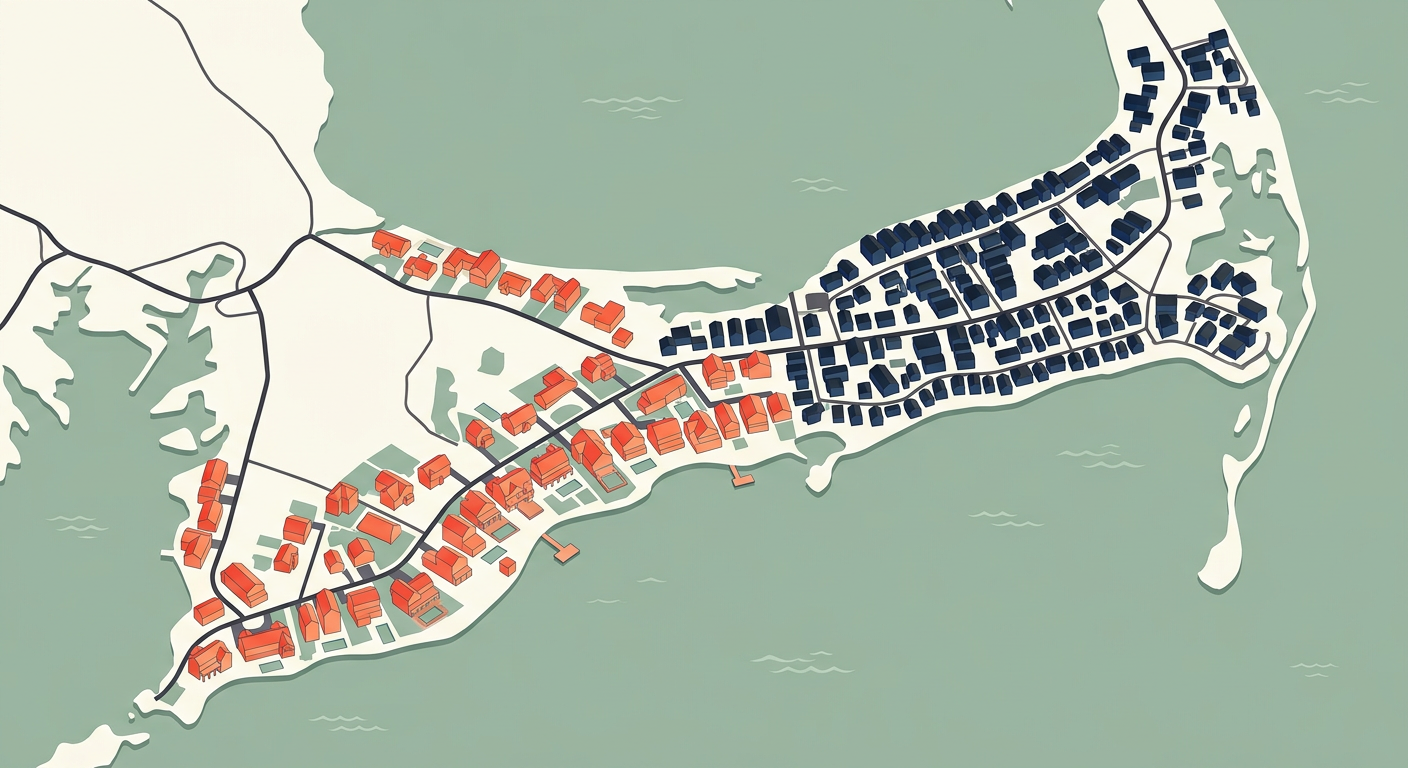
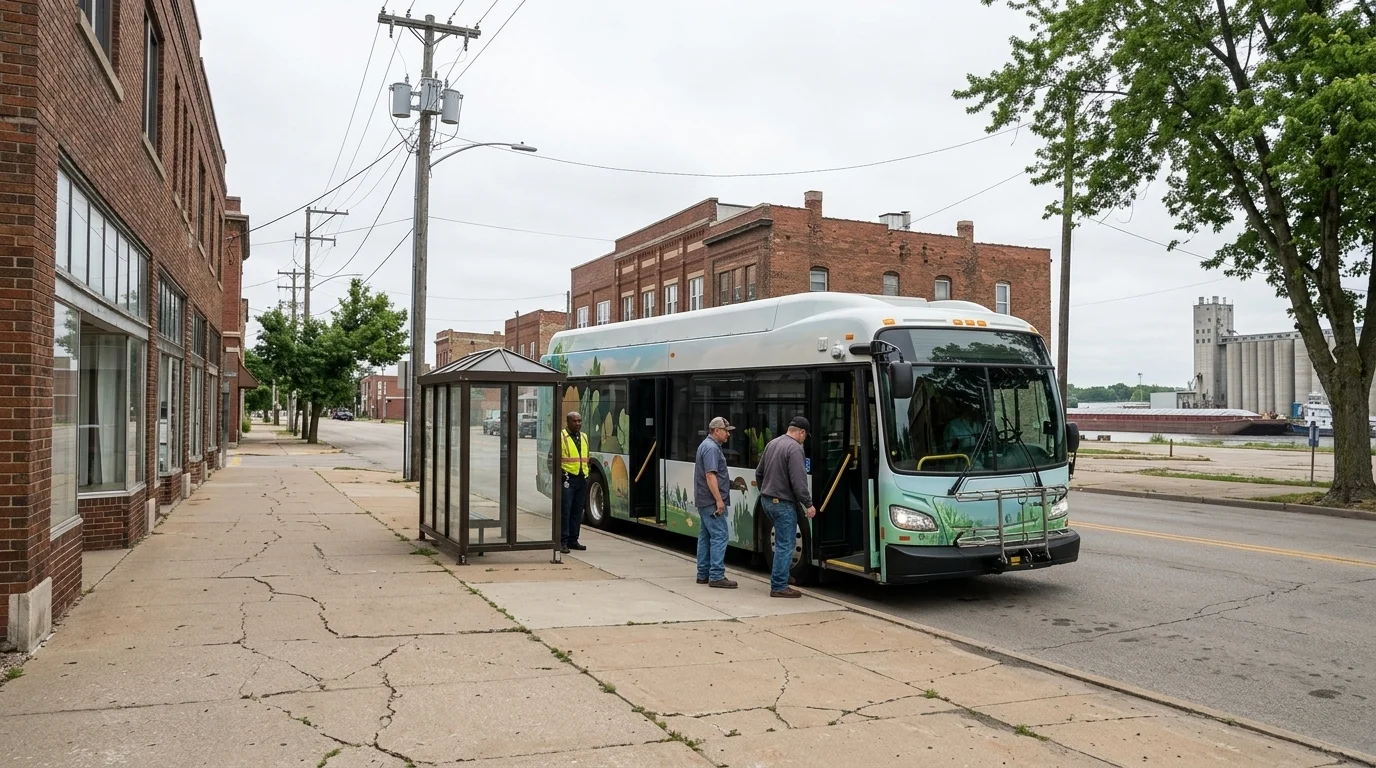
The "Tusty," built in 1964, is the only vessel in the Alaska Marine Highway System certified to sail beyond sheltered waters into the Gulf of Alaska and Bering Sea, reaching communities like Kodiak, Homer, Unalaska/Dutch Harbor, Sand Point, King Cove, Cold Bay and False Pass. For many of these villages, which are predominantly Alaska Native, the ferry provides the only affordable way to move vehicles, bulk freight and supplies. Flights exist, but weather regularly grounds them and prices put them out of reach for large cargo.
Source: NationGraph.
The push to replace the Tustumena began around 2013, but the project stalled repeatedly. Collapsing oil revenues after 2014 squeezed the state budget, and Gov. Mike Dunleavy's administration cut ferry service sharply beginning in 2019, triggering an existential crisis for the system. A prolonged unscheduled overhaul in 2022 and 2023 cancelled most of the vessel's sailing season and drew sharp criticism from Aleutian and Kodiak community leaders, along with Sen. Lisa Murkowski, who has been the project's leading federal advocate.
The decisive shift came with the 2021 federal Bipartisan Infrastructure Law, which created dedicated funding streams for ferry systems. Alaska, given the scale of its marine highway, became the largest single beneficiary nationwide. That federal money is now bankrolling the replacement program that planners have long said was overdue.
The stakes for 2029 delivery are high. The communities served by the Tustumena's route are tied economically to the multi-billion-dollar Bering Sea groundfish and crab fisheries, and any extended gap in service, as the 2022-2023 overhaul showed, can ripple across the regional economy. The vessel's age also means reliability will only get harder to maintain.
Shipbuilders have until May 28, 2026, to submit bids. If construction proceeds on schedule, the new ferry would enter service by early 2029.