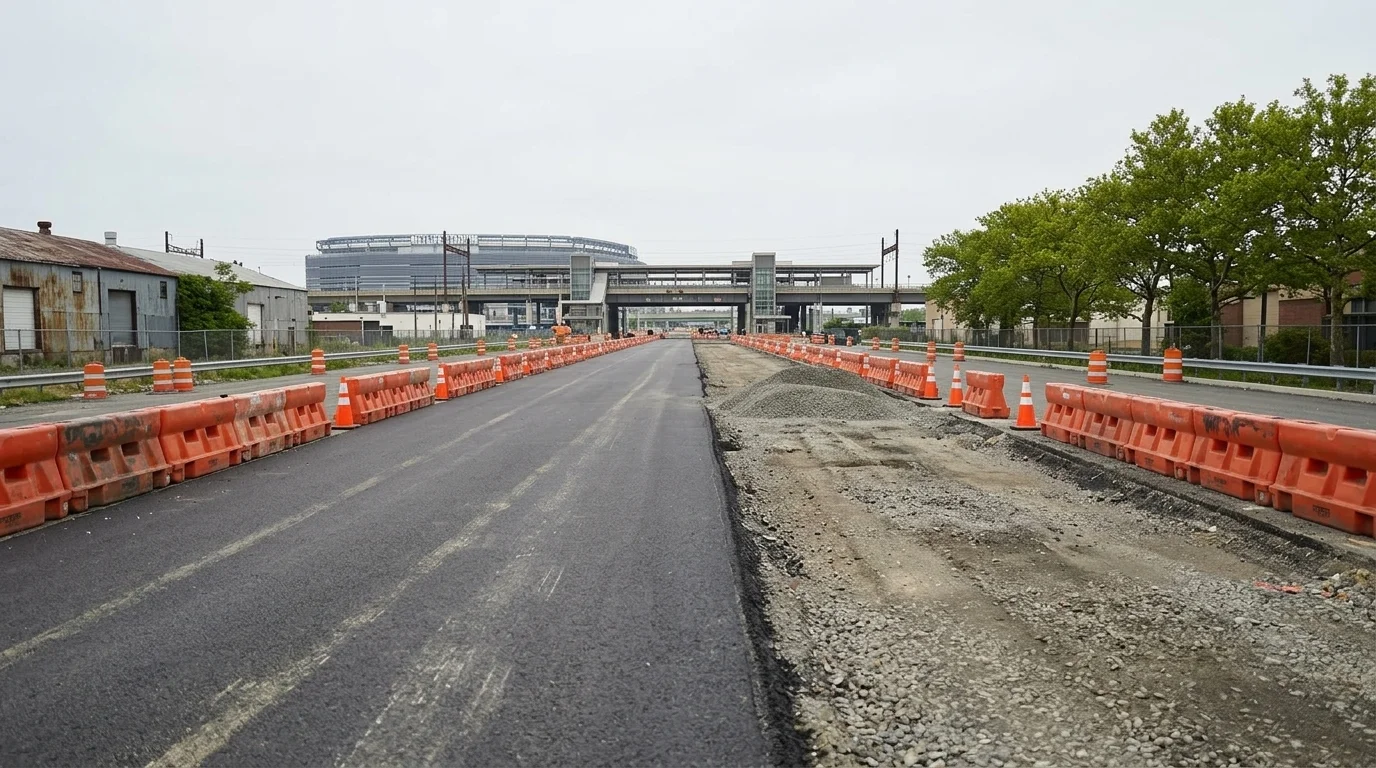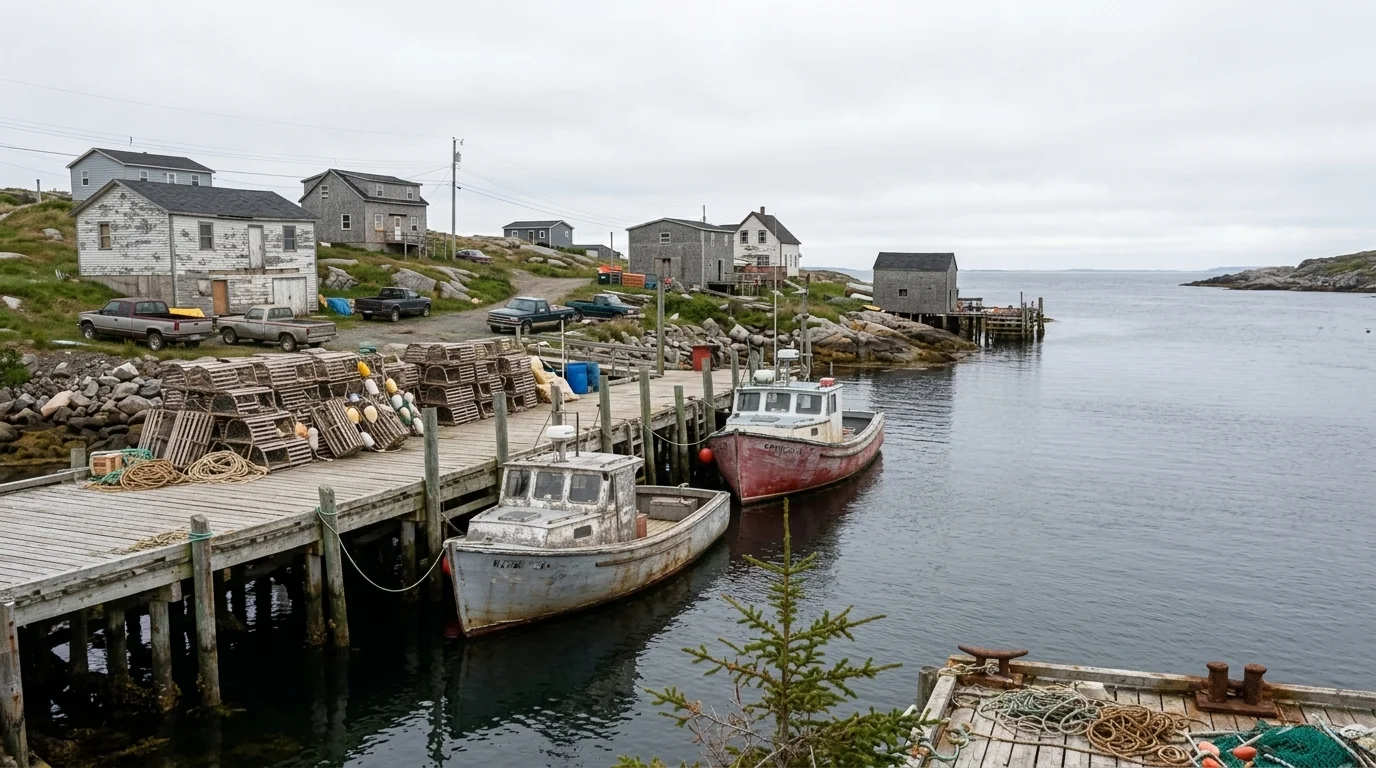
Newport, a small coastal community in Canada, is moving toward a significant transformation of its historic harbour under a new federal procurement posted this summer. The project would reshape the working waterfront into a mixed-use destination blending public space, tourism and marine uses, a model that has redefined waterfronts in Halifax and other Canadian cities over the past few decades.
The federal government posted a solicitation on CanadaBuys on Aug. 13, 2026, seeking a contractor to carry out the revitalization. The specific agency behind the project, the contract value and detailed scope have not been disclosed in the record, leaving significant gaps in the public picture. Newport-named communities exist in Nova Scotia, Quebec, Newfoundland and Ontario, and the exact location has not been confirmed.
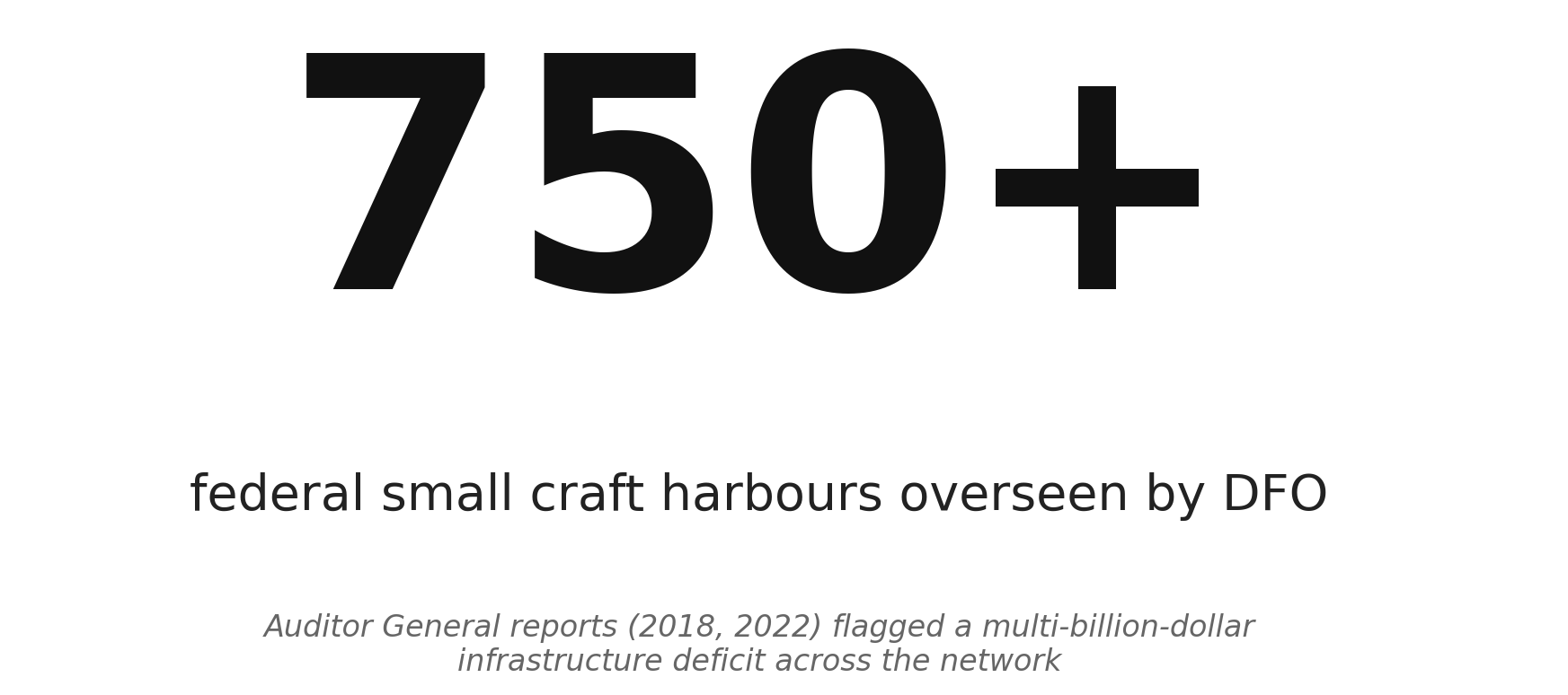
Whatever the specifics, the stakes in a town of this scale are considerable. Small coastal communities across Canada have watched their harbours decline since the 1970s and 1990s, when the collapse of the Atlantic cod fishery and the consolidation of commercial shipping gutted the economic foundation of working waterfronts. Federal divestiture programs transferred many of these harbours to municipalities with little money to maintain aging infrastructure, and a 2022 Auditor General report flagged a multi-billion-dollar maintenance deficit across Canada's 750-plus federal harbours.
Source: NationGraph.
Revitalization can bring real benefits: jobs, tourists, repaired wharves and renewed civic pride. But in communities where fishing families and small marine businesses still depend on waterfront access, the mixed-use model carries a risk of pricing out the very industries that defined the harbour in the first place. Gentrification pressures, affordable housing and Indigenous consultation are recurring flashpoints in projects like this one up and down the Canadian coast.
Key details, including the total investment, project timeline and which Newport is involved, are expected to become clearer as the contracting process advances.