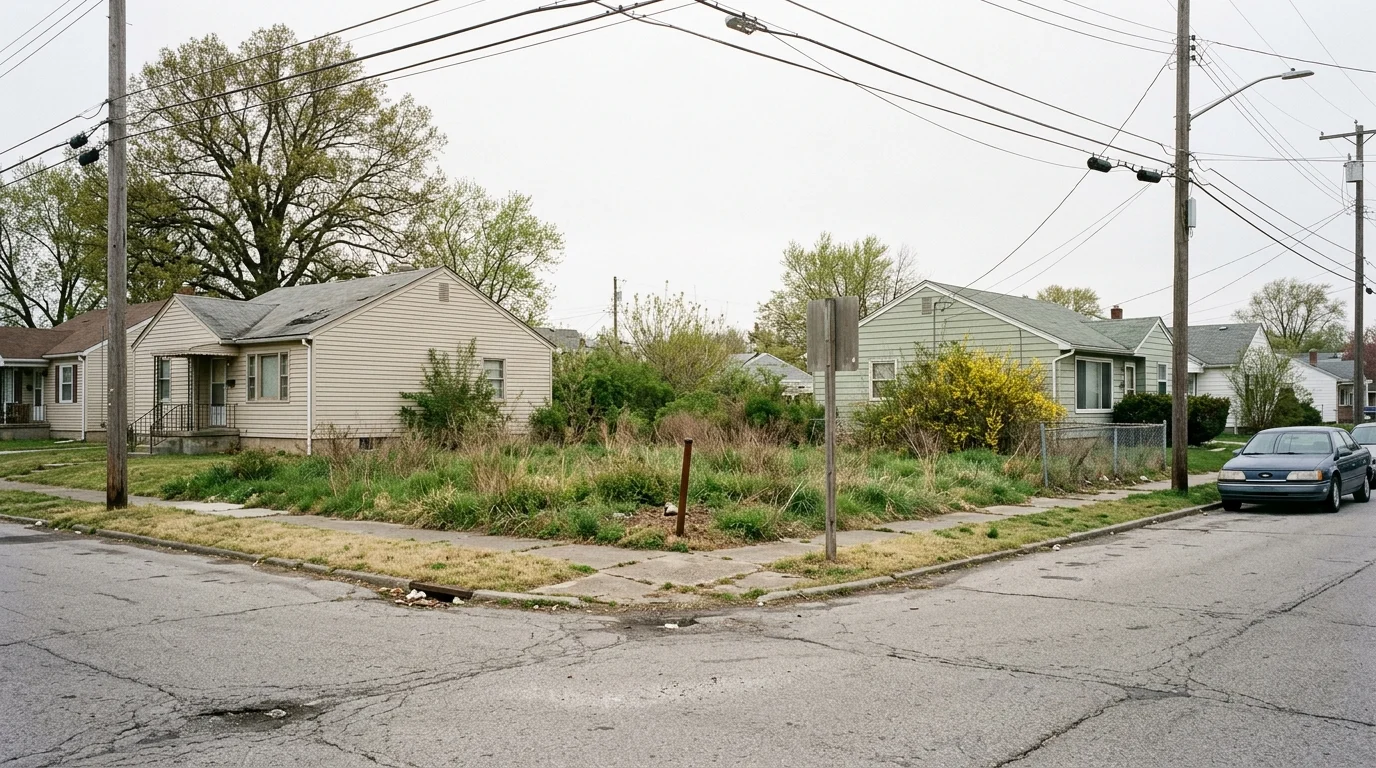
Twelve Pennsylvania municipalities and authorities issued a stormwater management solicitation in the past 30 days after going at least a year without one, while 53 institutions statewide entered the market in the trailing 90-day window. That 90-day total is more than double the comparable figure for any neighboring state: New York logged 19 institutions, New Jersey 25, Maryland 16. The week of September 28 alone saw 9 Pennsylvania institutions release stormwater RFPs, up from 2 the week before. The common denominator is a regulatory deadline that has since moved.
Pennsylvania DEP's reissuance of the PAG-13 NPDES General Permit for small Municipal Separate Storm Sewer Systems originally set September 30, 2026 as the date by which all 493 covered municipalities had to submit a Notice of Intent to re-enroll or apply for an individual permit. That date came and went. DEP has since announced it will not finalize the permit in 2026, pushing the NOI deadline to a date to be determined. But the construction queue it triggered is already moving.
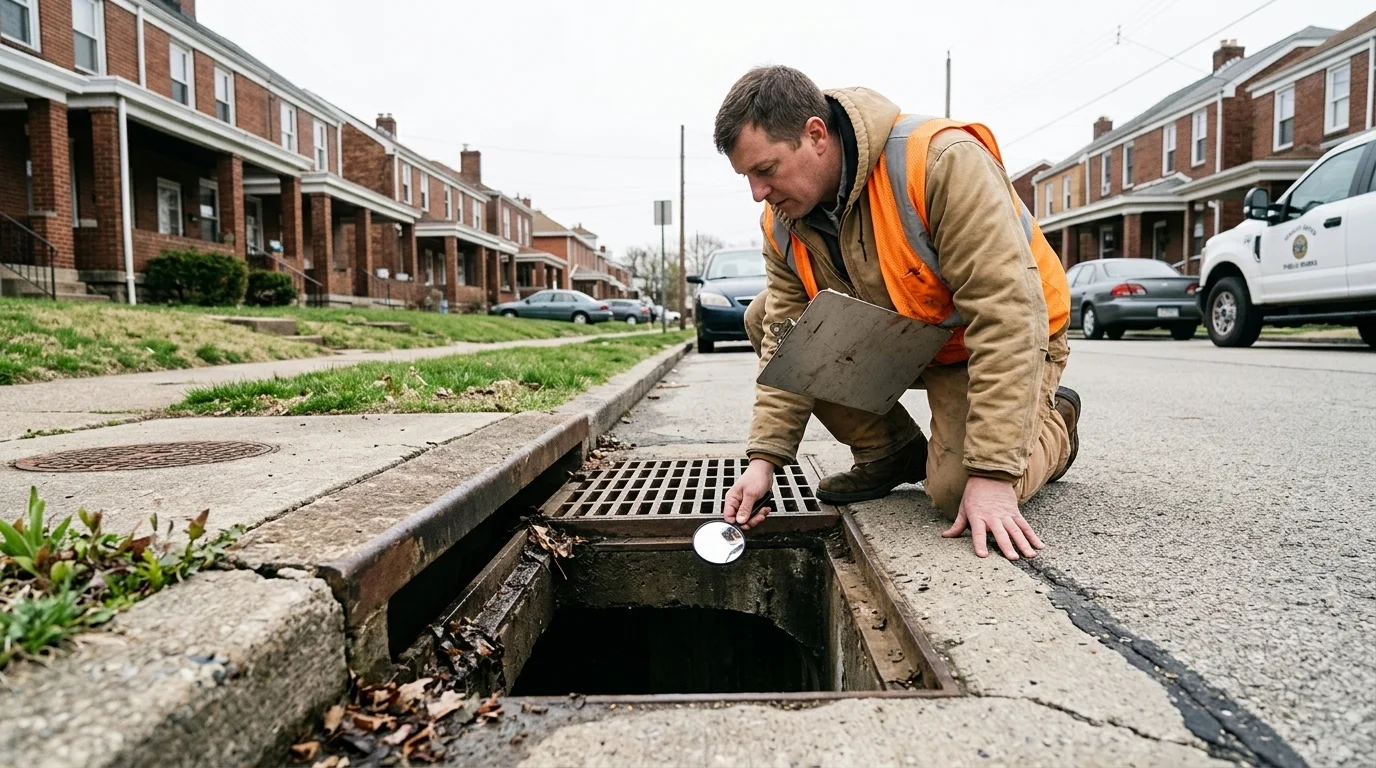
The PAG-13 reissuance, the first substantive update since the 2018 permit, introduces something more demanding than a paperwork refresh. It replaces the prior pollutant-reduction framework with a Volume Management Objective, requiring municipalities to demonstrate they are controlling the quantity of stormwater runoff leaving their systems, not merely its chemical content. That shift means engineering analysis has to precede any compliance certification. Municipalities cannot simply submit monitoring data they already have; they have to commission new assessments, often field surveys, to characterize their systems under the new metric. A new MEP Calculator Spreadsheet must accompany every NOI submission. For MS4s discharging to Chesapeake Bay tributaries or impaired waters, a full Volume Management Plan is due by September 30, 2028, adding a second hard deadline behind the first. As PA DEP's own MS4 FAQ makes clear, municipalities that cannot demonstrate compliance with the new VMO standard face significant exposure under the underlying Clean Water Act authorization.
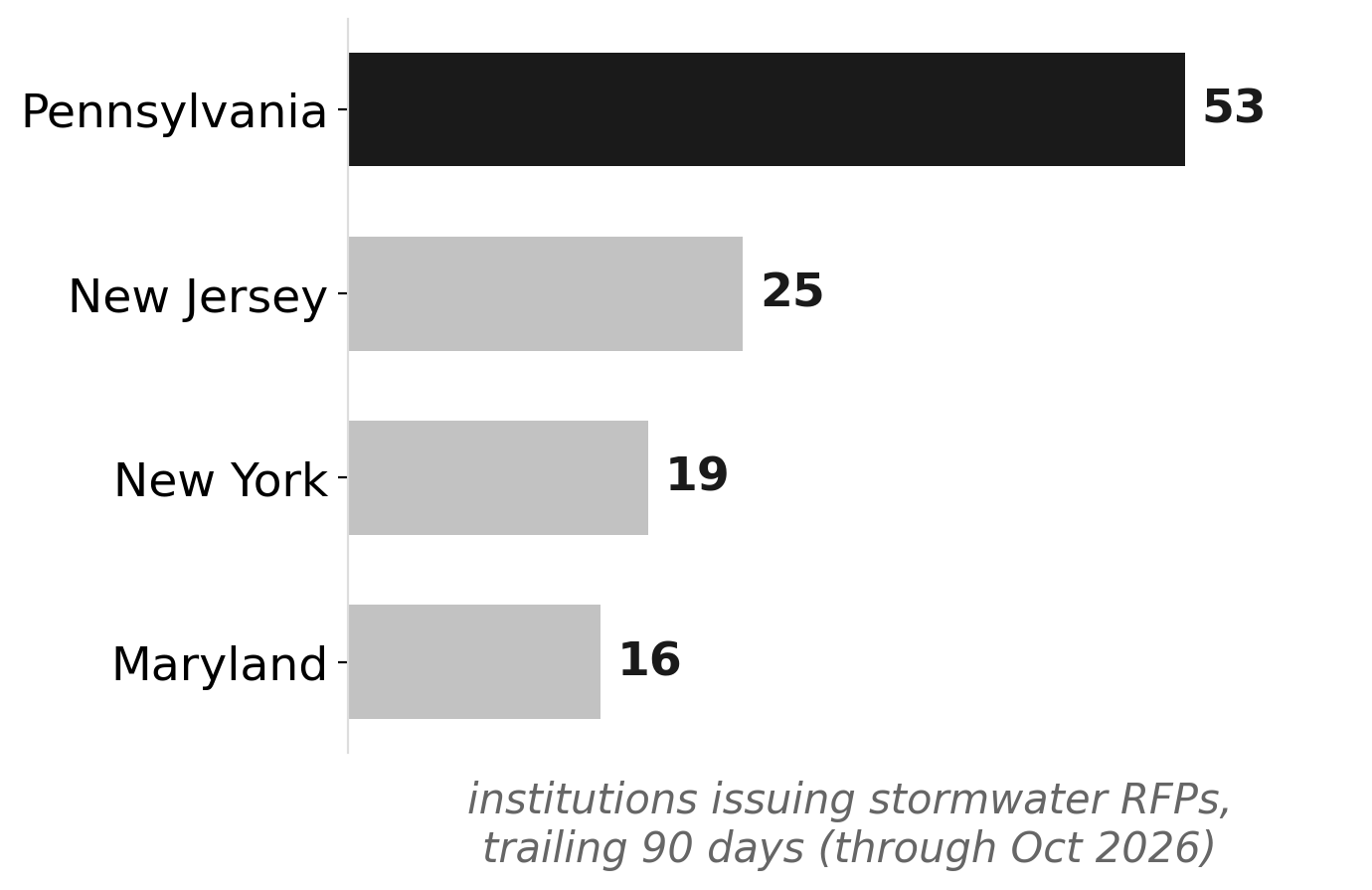
Source: NationGraph.
The concentration of first-time issuers in the Pittsburgh metro reflects the region's unusual municipal geography. Allegheny County contains dozens of small jurisdictions sharing watershed infrastructure but holding separate permits, so compliance pressure cascades municipality by municipality rather than being absorbed by a single city government. Allegheny County, Fox Chapel Borough, the Munhall Sanitary Sewer Municipal Authority, and the Allegheny County Airport Authority all issued stormwater RFPs within the same two-week window straddling the September 30 deadline. An engineer briefing Neville Township commissioners in summer 2026 noted explicitly that the draft permit set an NOI due date of September 2026 and a VMP due date of September 2028, language that plainly drove procurement timelines well before DEP signaled any schedule slip.
The geographic spread beyond Allegheny County adds a second dimension to the finding. Warminster Township Municipal Authority in Bucks County, Red Hill Borough in Montgomery County, and the Delaware Valley Regional Finance Authority in Delaware County all appear among the new issuers. These are not jurisdictions that share a watershed or a regional engineer; what they share is a permit deadline. Pennsylvania carries one of the largest inventories of small MS4s in the country, roughly 1,059 in total, a legacy of its dense patchwork of boroughs, townships, and special-purpose authorities. When a permit covering 493 of them resets its technical requirements simultaneously, a procurement surge is the arithmetic result.
The policy mechanism here is not a grant or a bond program. Municipalities are spending their own funds to hire engineers because the Clean Water Act, passed through to the states via EPA's NPDES framework and administered in Pennsylvania under the Clean Streams Law, requires them to. The PAG-13 reissuance documentation published in the Pennsylvania Bulletin makes clear that municipalities that fail to re-enroll or obtain an individual permit operate without authorization to discharge stormwater to state waters. That exposure is sufficient to move procurement even when agency timelines shift.
For residents of the affected boroughs and townships, the near-term consequence is visible: engineering contracts are being awarded, field assessments are underway, and capital project lists tied to the Volume Management Objective are being drafted. The longer-term question is cost. The VMO framework requires physical changes to how stormwater moves through municipal systems, not just record-keeping improvements. Some communities will be looking at green infrastructure retrofits, detention basin upgrades, or inlet modifications. Those costs land on local budgets, and PA DEP has not attached a funding vehicle to the compliance mandate.
The open question is what DEP's revised timeline looks like when it arrives. Municipalities that launched procurements under the original schedule are now mid-engagement with engineering firms. A significantly delayed final permit could create pressure to renegotiate contract scopes, but it is unlikely to stop the work already commissioned. The procurement surge is real; the permit it was designed to satisfy is not yet final.