Five North Carolina public institutions issued solar RFPs for the first time in over a year during the past 30 days alone, a number that was zero in the same window a year ago. The cluster is not a coincidence. It reflects two distinct policy deadlines converging on the same narrow procurement window, and the institutions that miss them will pay measurably more for solar for the next decade and a half.
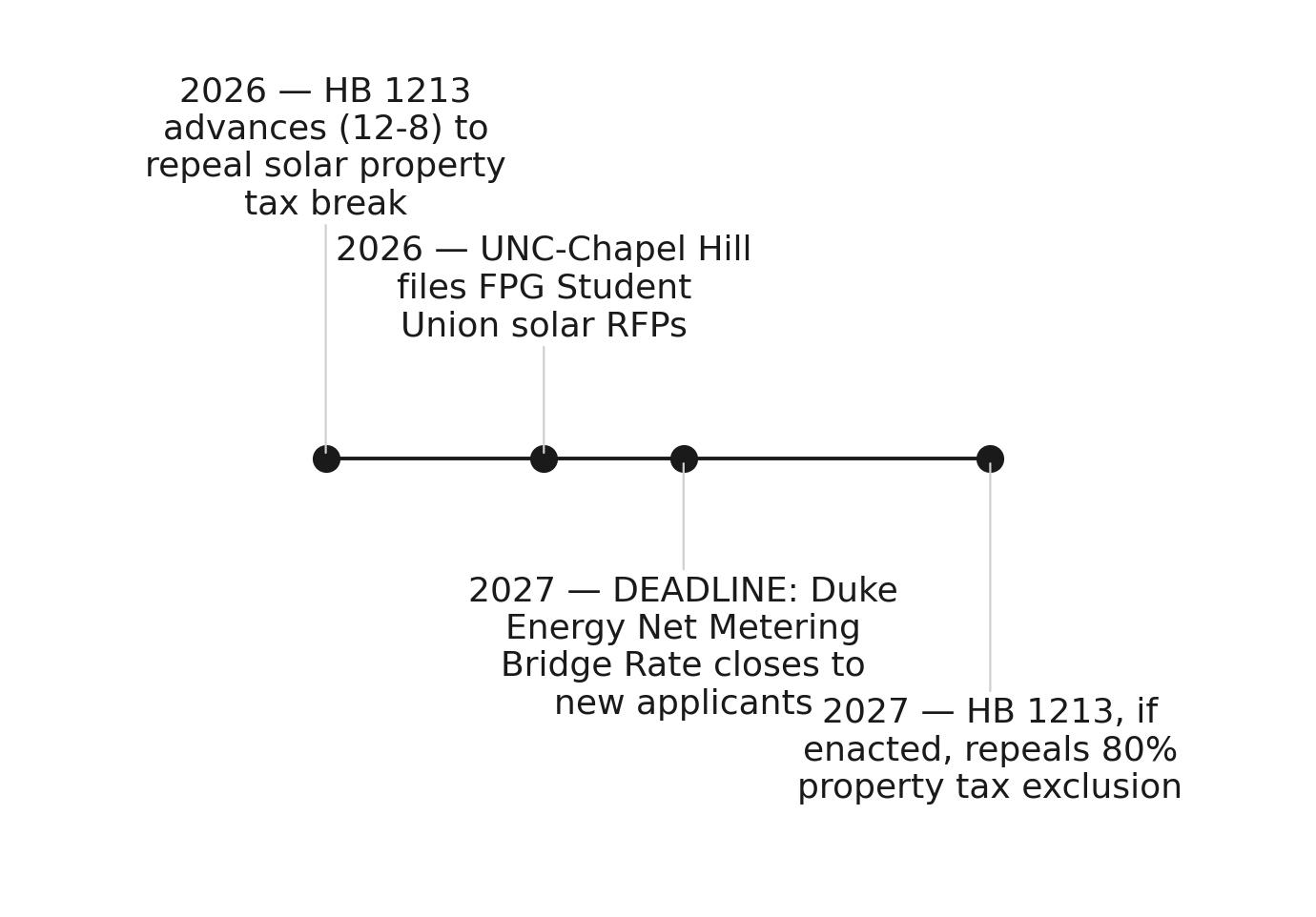
The more urgent of the two deadlines belongs to Duke Energy. The utility's Net Metering Bridge Rider, approved by the North Carolina Utilities Commission in 2023, closes permanently to new applicants on December 31, 2026. Institutions that interconnect before that date lock in 15 years of protection from Duke's time-of-use pricing and Critical Peak Pricing charges. Those that miss it roll into the post-2026 Residential Solar Choice rate structure, which analysts at EnergySage and Cape Fear Energy estimate reduces long-term solar ROI by roughly 20% and extends payback periods by two to three years. Duke serves approximately 80% of North Carolina's electricity customers, making the December 31 cutoff a statewide forcing function, not a regional quirk.
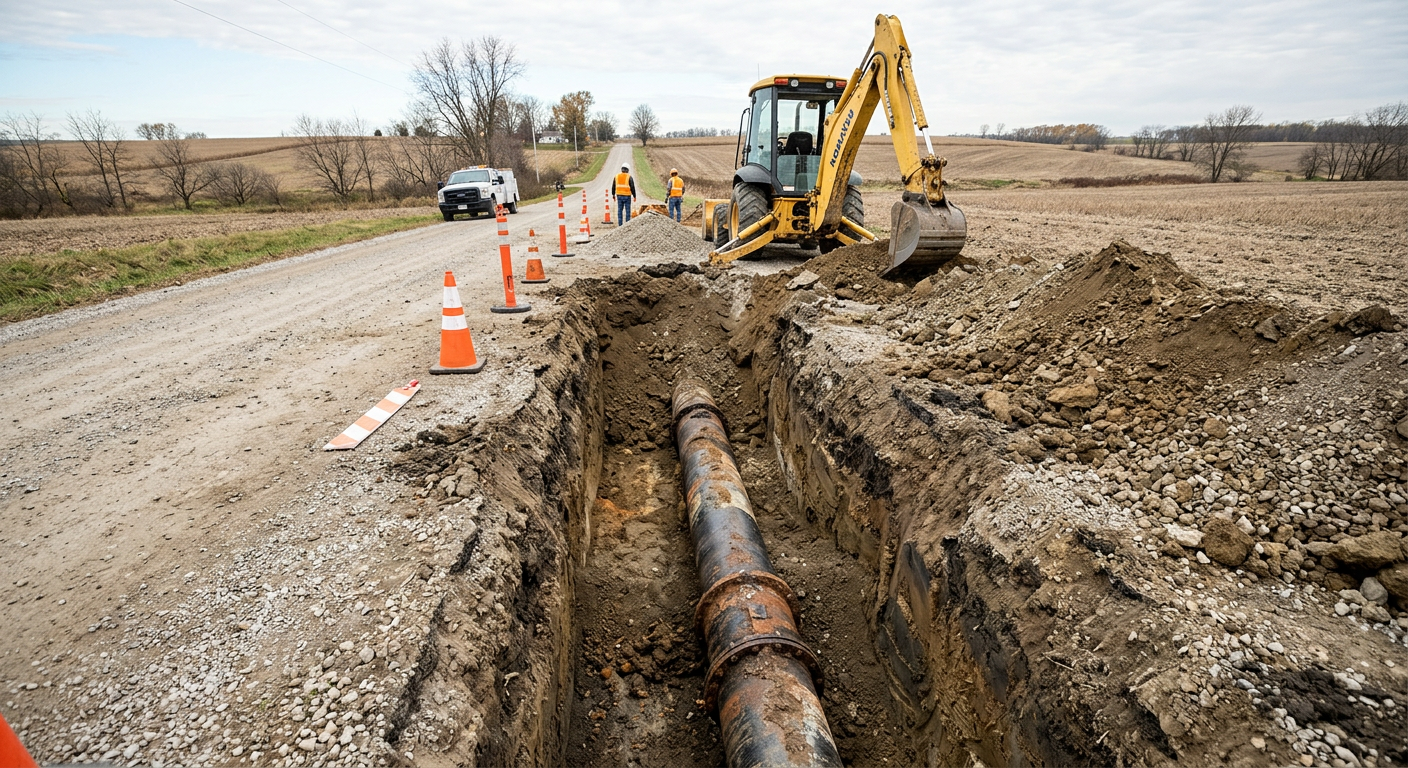
The RFP cluster reflects that pressure across very different kinds of institutions. Raleigh-Durham International Airport issued a solicitation for a solar PV system paired with battery storage and 100 Level 1 EV chargers on an existing covered walkway canopy, with Duke interconnection coordination built into the scope. Rocky Mount, which has now issued six solar-related procurements since January, filed a Solar Farm Impact Study covering load flow, short-circuit, and interconnection grid analysis for a proposed municipal solar farm. Both are operating against the same Bridge Rate deadline: get the interconnection application in, get it approved, and lock in the rate before the calendar turns.
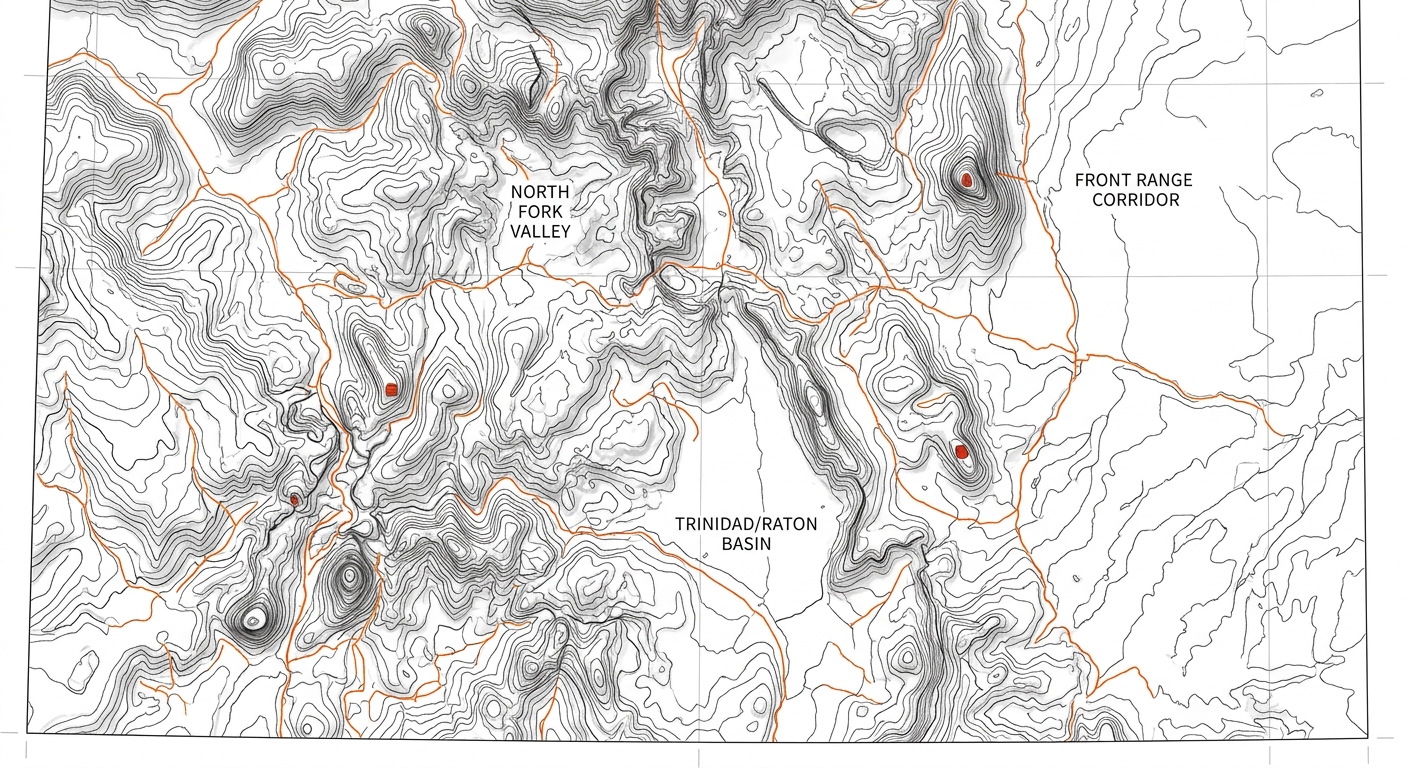
Source: NationGraph.
A second deadline is running in parallel, though it targets a different actor through a different mechanism. NC House Bill 1213, which cleared the House Finance Committee 12-8 in June 2026, would repeal the state's 80% property tax exclusion for utility-scale solar placed in service on or after July 1, 2027. That exemption currently saves solar developers, and indirectly, the municipalities partnering with them, roughly $40 million per year statewide, according to the NC Association of County Commissioners. For Rocky Mount, which is studying grid-scale interconnection rather than rooftop distributed solar, HB 1213 adds a separate layer of urgency: a municipal solar farm placed in service after July 1, 2027, would face a substantially higher ongoing tax burden than one that beats the deadline.
These are not the same policy doing the same thing. The Bridge Rate closure affects distributed solar adopters managing their own interconnection. The property tax repeal targets utility-scale developers and the municipalities working with them. Writing a single solar procurement strategy that satisfies both deadlines requires moving faster than most public institutions typically move.
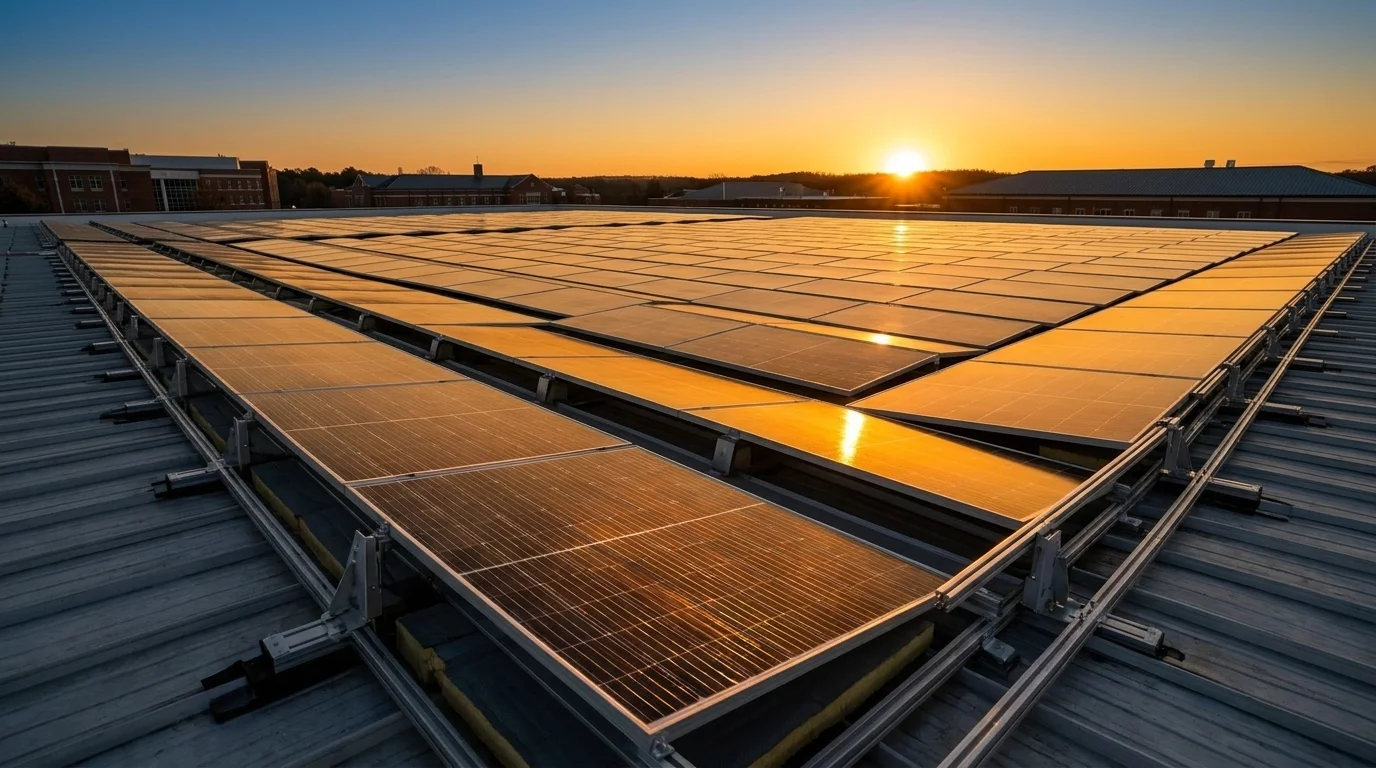
UNC-Chapel Hill's activity this month illustrates how one institution is threading the needle. The university filed two solar array expansion solicitations on October 9 and 10 for its Frank Porter Graham Student Union, timed to a roof replacement already underway and targeted for completion by December 27, 2026, four days before the Bridge Rate closes. The project is funded through the student-approved Renewable Energy Fee, a $4-per-semester levy in place since 2004 and directed by the student Renewable Energy Special Projects Committee. The FPG project is the most institutionally distinct in this cluster: student-funded, tied to a physical construction window, and motivated as much by UNC's Climate Action Plan as by the regulatory deadline. But its appearance in the same 30-day burst underscores how broadly the December 31 date is concentrating institutional attention.
North Carolina is already the fourth-largest solar state in the country by installed capacity. The current RFP surge suggests the state's public sector is front-loading commitments before the regulatory environment shifts in ways that will be difficult to reverse. By one measure of near-term momentum, NC is outpacing its regional peers: six institutions issued solar RFPs in the trailing 30 days, compared with three each in Georgia and Virginia and two in Tennessee.
Governor Stein's Energy Policy Task Force, in its 2026 report, also expanded the conditions under which municipal utilities can pursue solar leasing in their service areas, providing regulatory cover for smaller municipalities entering the market. That change may widen the pool of institutions still working through procurement before year-end.
The next signal to watch is interconnection queue data from Duke Energy. Filing an RFP is the first step; getting an interconnection application approved before December 31 is the one that actually locks in the rate. Institutions that issued solicitations this month have, at best, weeks to select a vendor and submit. For some, the window may already be functionally closed.