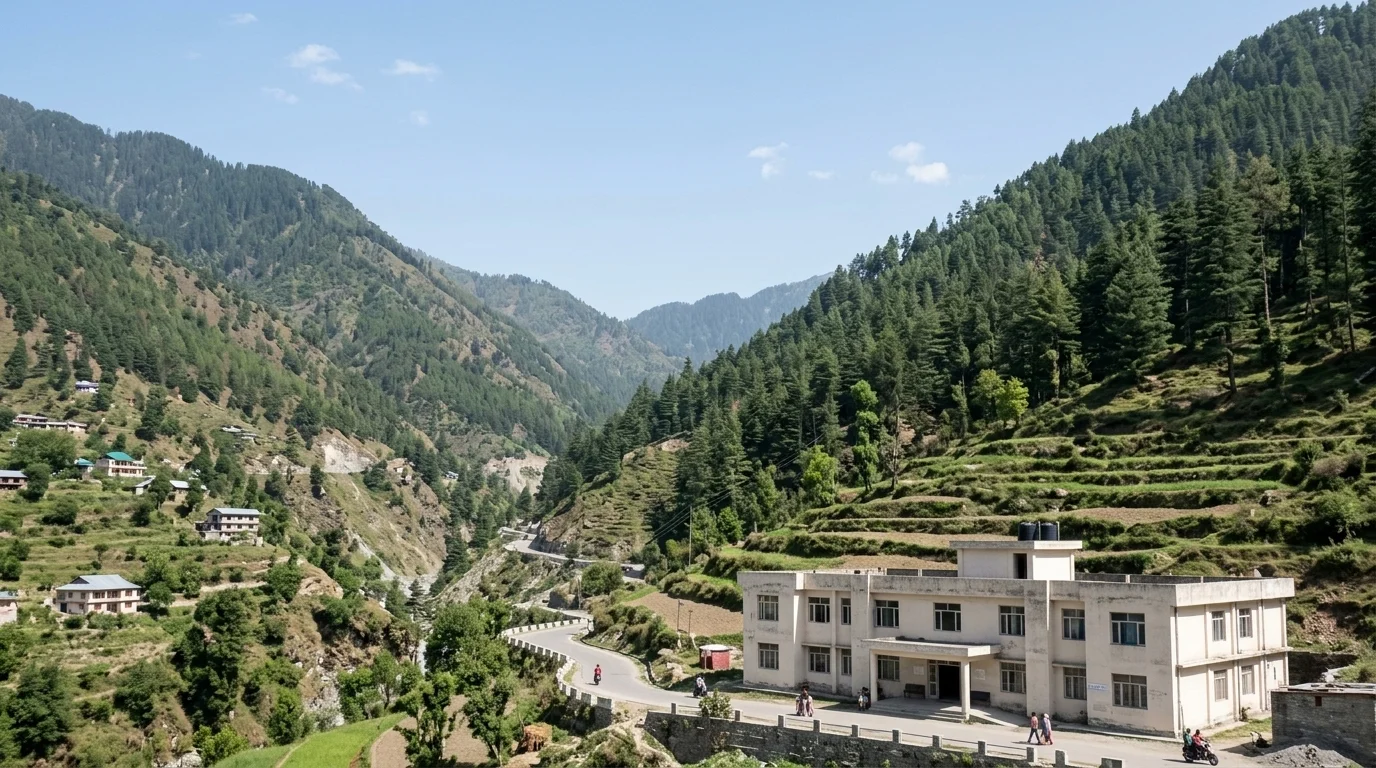
For residents of Kullu district in Himachal Pradesh, a heart attack has historically carried a brutal arithmetic: the nearest hospital capable of opening a blocked artery is six to eight hours away by road, often longer when snow closes mountain passes or monsoon landslides block the highway to Chandigarh. Many patients don't survive the trip. The state government is now moving to fix that, with Himachal Pradesh floating a tender to establish a cardiac catheterization lab at Regional Hospital Kullu, the district's primary public referral facility.
A cath lab enables the interventional procedures that are the modern standard for treating heart attacks: angiography to identify blockages, angioplasty to clear them, and stent placement to keep arteries open. These procedures are most effective within the first few hours of a cardiac event, a window that residents of Kullu's remote valleys have rarely been able to reach. The tender posted on Himachal Pradesh's e-procurement portal on Sept. 29, 2026, begins the process of sourcing the equipment and infrastructure needed to bring that care to the hills.
Kullu district is home to roughly 450,000 people, and the hospital also serves a large seasonal tourist population. Manali, which draws millions of visitors annually, sits within the district, and altitude-related cardiac events among tourists have added to the caseload that currently must be transferred out. Several high-profile deaths of patients en route to Chandigarh have intensified local pressure on the state to act.
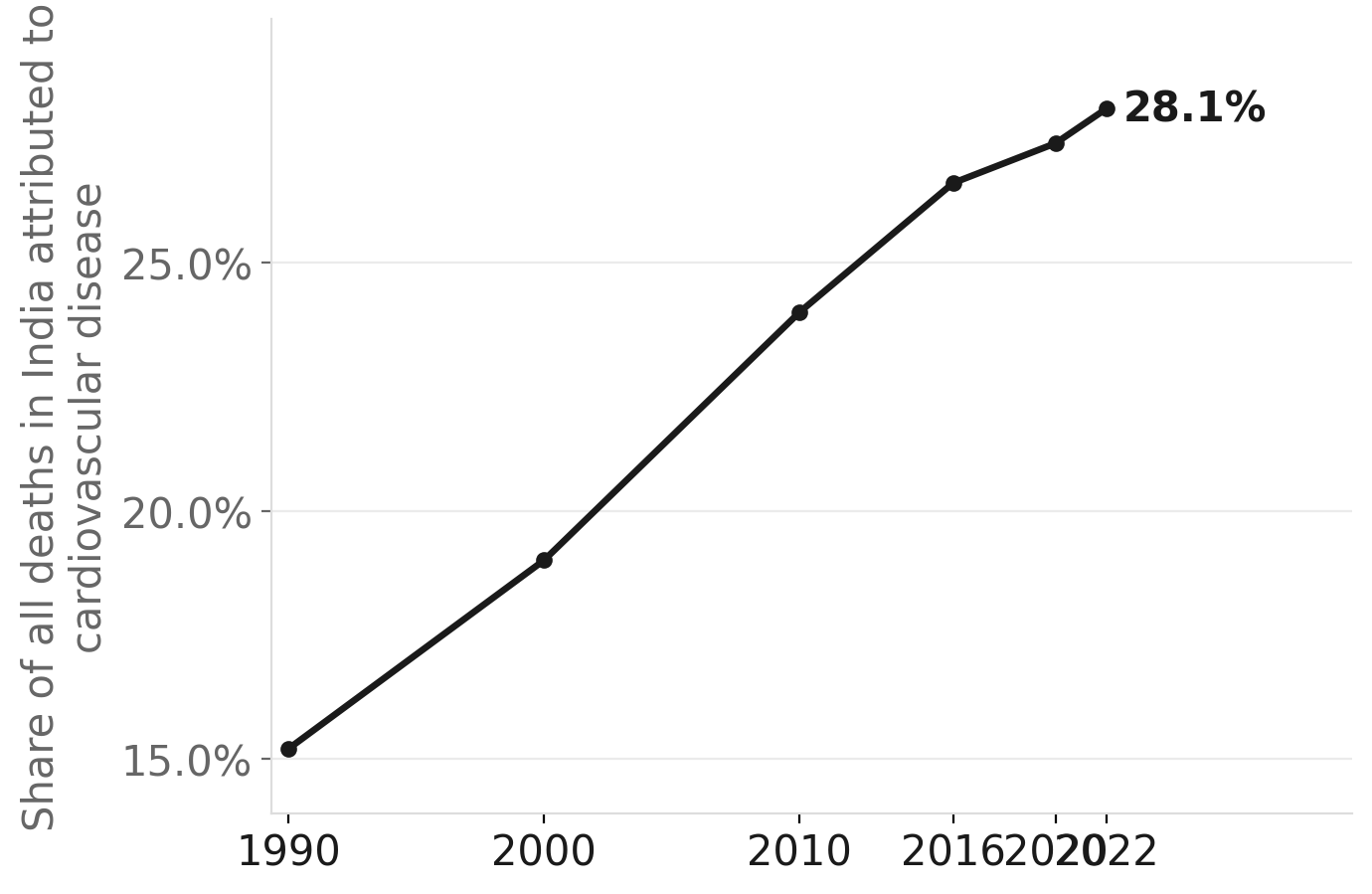
Source: NationGraph.
Himachal Pradesh has been expanding cardiac care at regional hospitals in recent years, with cath labs established or upgraded at facilities in Mandi, Hamirpur and Tanda. Kullu is part of the next wave of that buildout, driven partly amid the Ayushman Bharat insurance coverage that now reimburses cardiac procedures at public hospitals, making the investment financially sustainable. The state's HIMCARE scheme extends similar coverage to residents not covered federally.
One recurring challenge has shadowed these expansions statewide: equipment tends to arrive before the trained interventional cardiologists needed to use it. Whether Kullu can recruit and retain specialists willing to practice in a remote hill district will likely determine how quickly the new facility becomes fully operational once built. Specific cost and timeline details were not disclosed in the posted record.