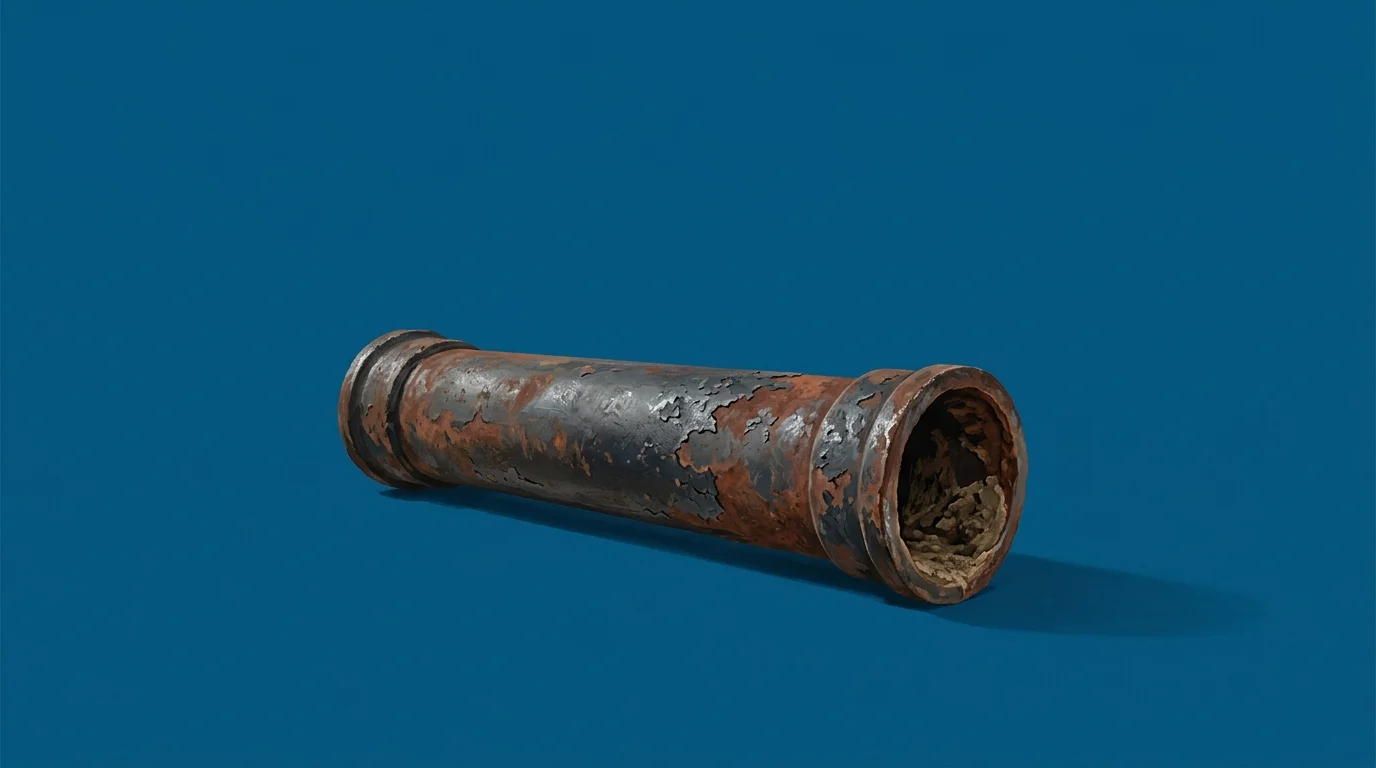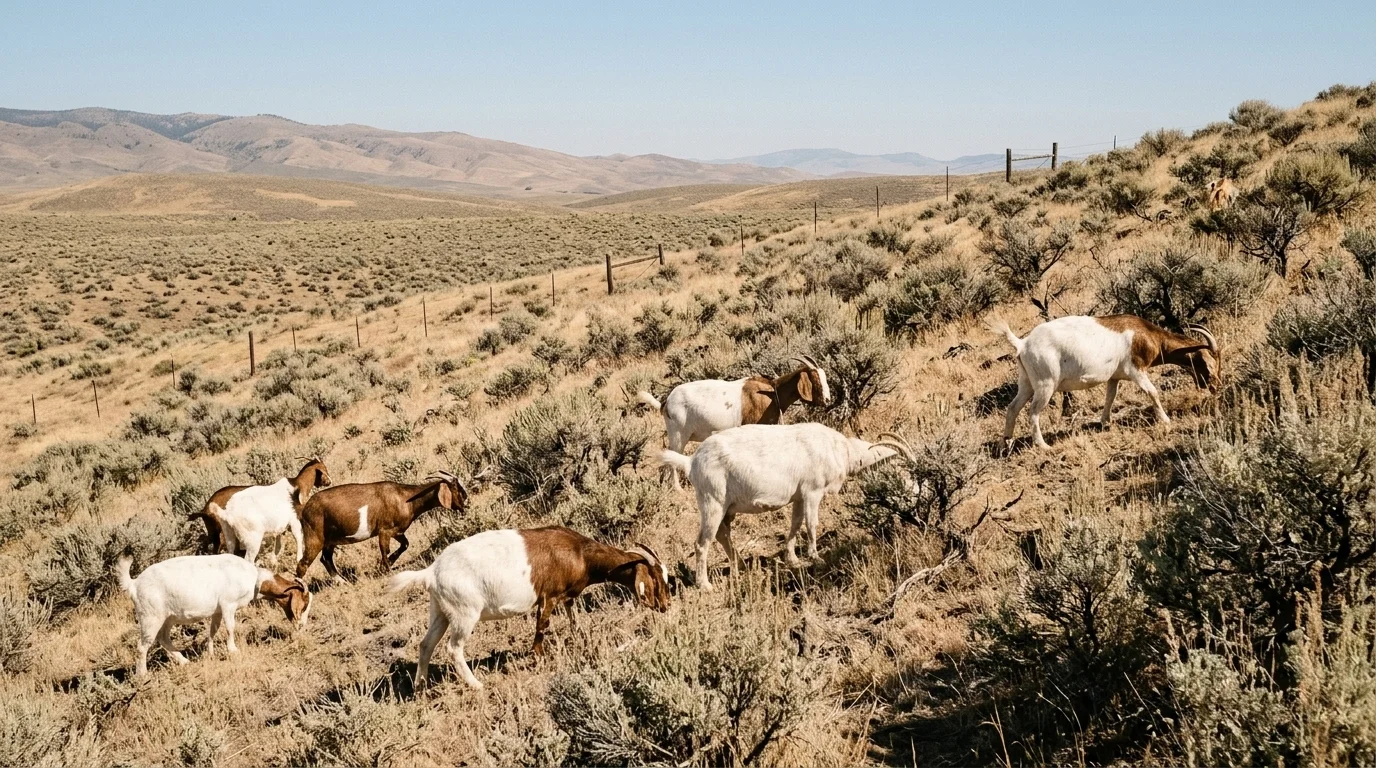
A parks department in what appears to be a Western U.S. jurisdiction is hiring a livestock grazing contractor to chew down fire-prone vegetation across multiple park sites, tapping into one of the fastest-growing tools in wildfire prevention: goats, sheep and cattle.
The approach, sometimes called targeted grazing or conservation grazing, has spread rapidly across parks and public lands in California, Oregon, Nevada and neighboring states as traditional fuel-reduction methods have run into serious limits. Mechanical mowing can spark fires in dry conditions. Herbicides face public opposition and regulatory barriers. Prescribed burns require narrow weather windows and carry real escape risk: the 2022 Hermits Peak Fire in New Mexico, the largest in state history, began as an escaped controlled burn.
Livestock sidestep all of those problems. Goats in particular eat invasive species like cheatgrass, medusahead and yellow star thistle that spread quickly and fuel fast-moving fires. They can work on steep hillsides where machinery can't reach, and they leave behind fertilizer rather than emissions. Cities including Reno, Boise, Anaheim and Glendale have all contracted for similar programs in recent years.
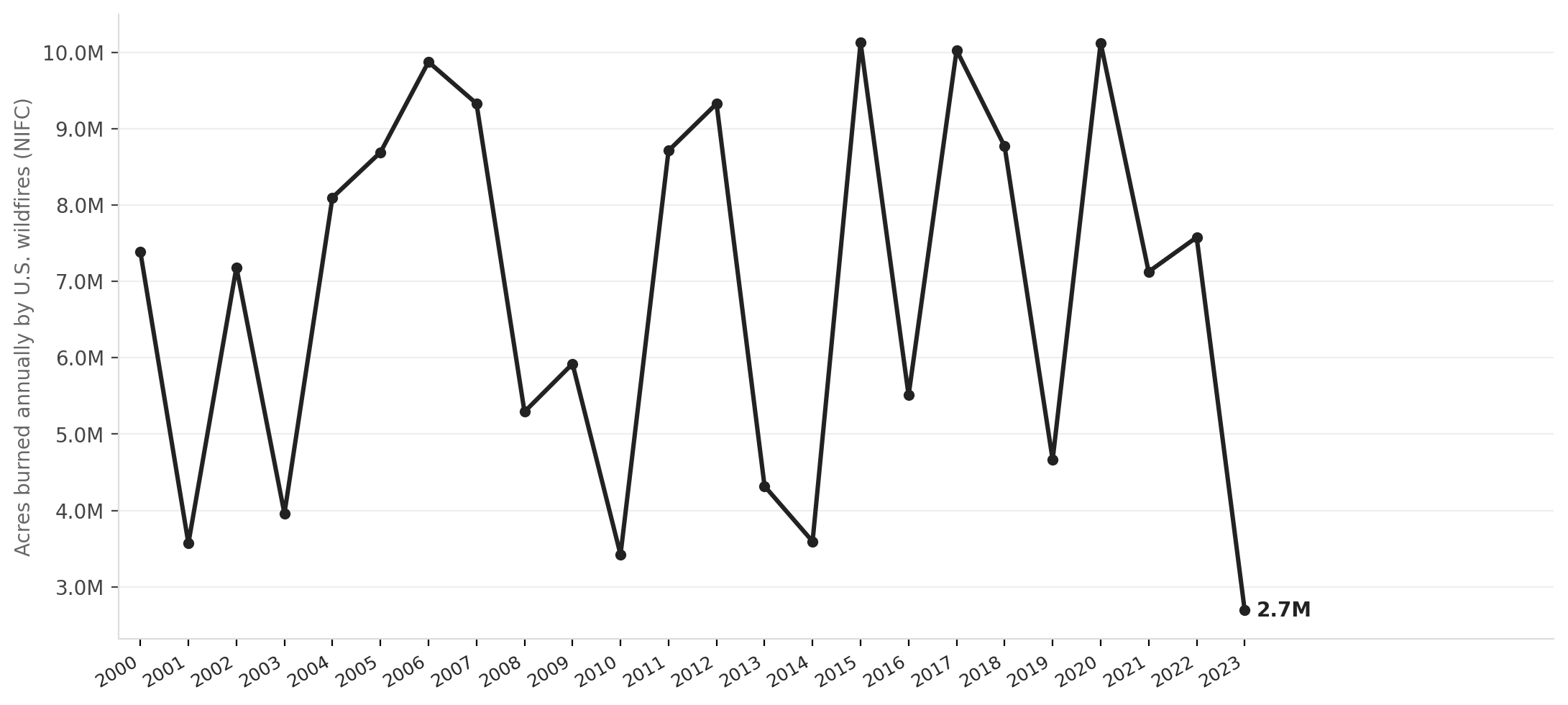
Source: NationGraph.
The practice has also gotten a financial push from the federal level. FEMA's BRIC program and the 2021 Bipartisan Infrastructure Law funneled billions into pre-disaster wildfire mitigation, and insurers have begun pressuring municipalities to demonstrate active fuel management or risk losing coverage. Parks departments, which often manage large parcels sitting at the edge of neighborhoods in the wildland-urban interface, have found themselves on the front lines of that pressure.
The program is not without critics. Grazing contracts can run $500 to $1,500 per acre, sometimes more expensive than mowing. Questions persist about long-term effectiveness on invasive grasses that regrow quickly after animals move on, and some agencies have faced complaints when livestock escaped or grazed protected native plants.
The specific agency and jurisdiction behind this contract are not identified in the public procurement posting, which was posted Aug. 3, 2026. The multi-site scope suggests the contract could span more than one season. NationGraph News is working to identify the issuing agency.