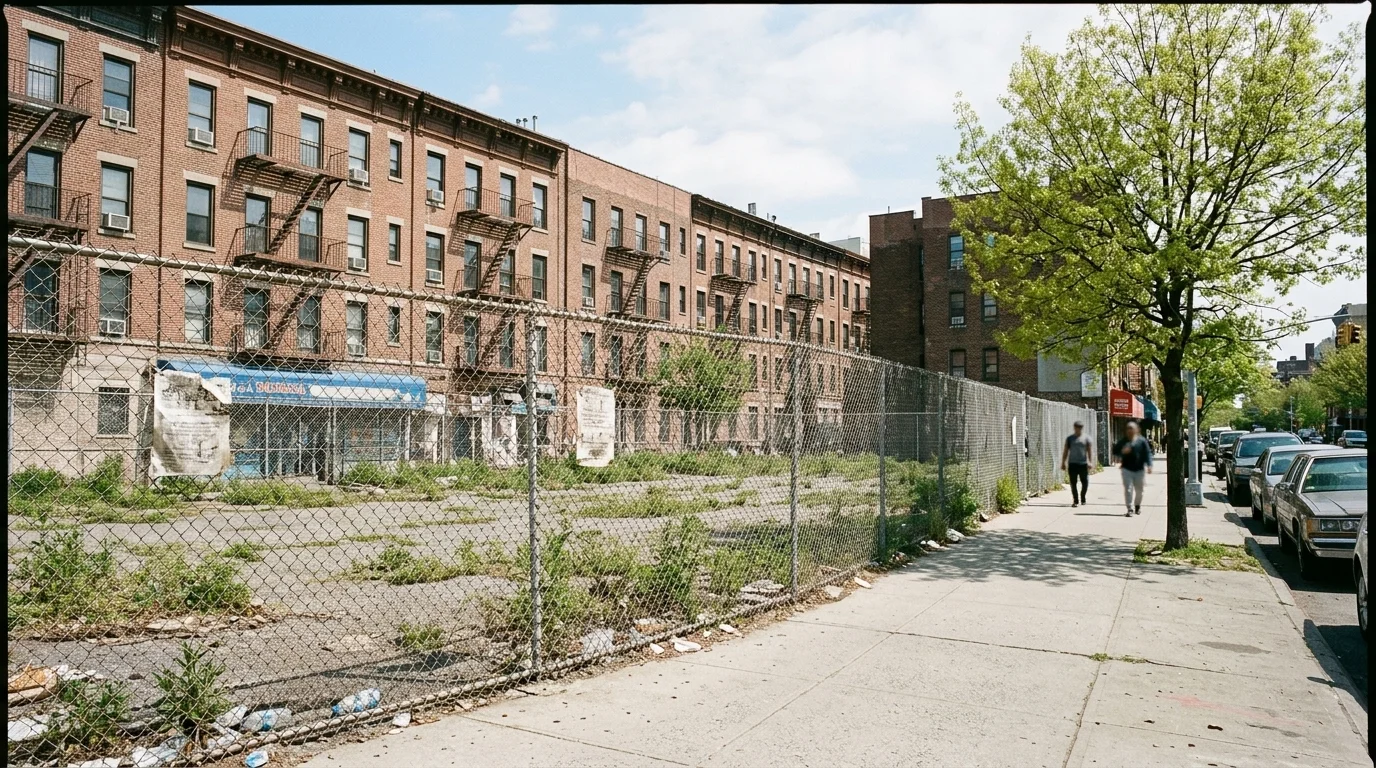
New York City is trying to change who gets to build its affordable housing, launching a program that steers city-owned development sites toward smaller nonprofit organizations and minority- and women-owned developers who have long been squeezed out of the process.
The city's rental vacancy rate hit 1.4% in 2023, the lowest since 1968, and roughly half of all renter households are rent-burdened. Against that backdrop, the NYC Department of Housing Preservation and Development (HPD), the largest municipal housing agency in the country, has historically moved slowly: the path from site selection to construction has typically stretched five to seven years. Much of that city-owned land has ended up with a small group of large, well-capitalized developers who had the staff and balance sheets to navigate HPD's notoriously complicated procurement process.
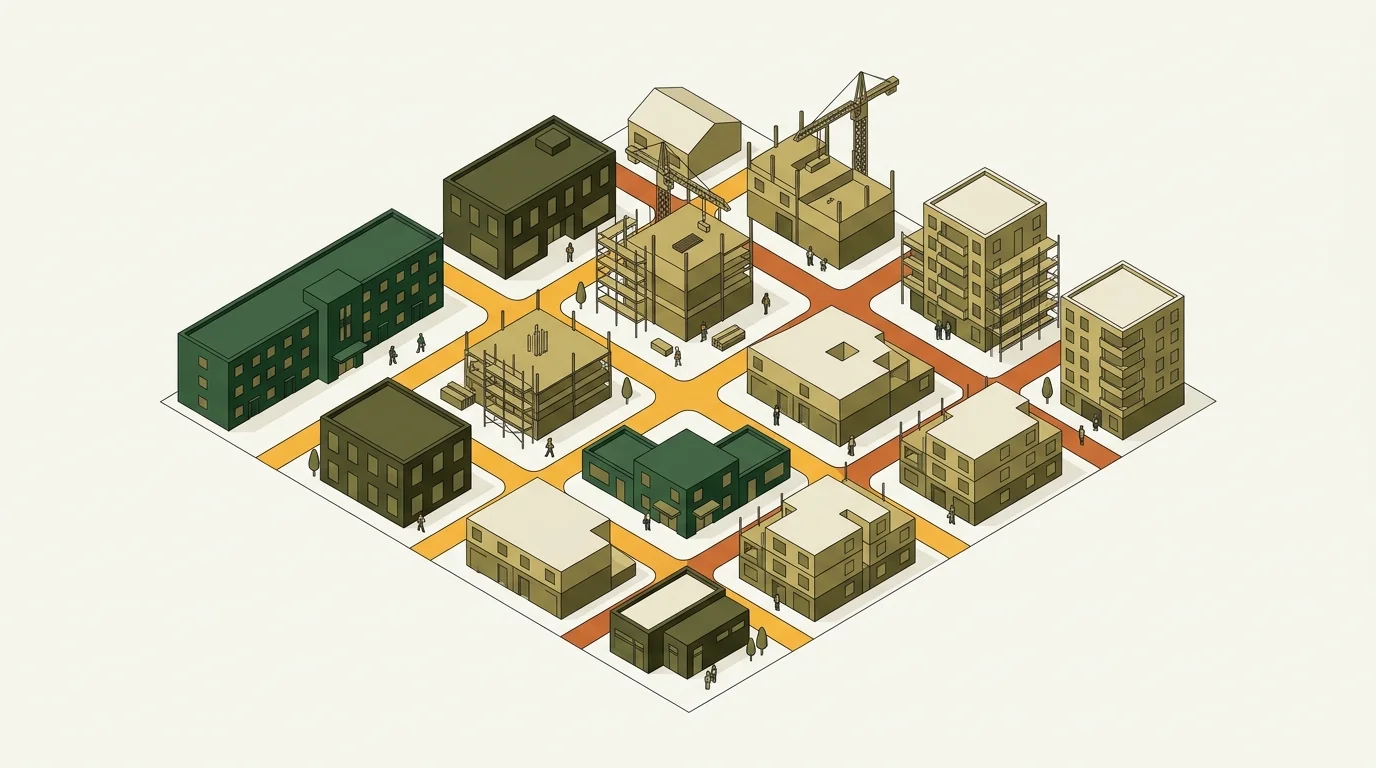
The Neighborhood Builders Fast Track, now listed on HPD's website, takes a different approach. HPD pre-selects sites designed to be straightforward: smaller parcels, clean title, zoning that doesn't require variances. Developers first qualify through a screening process, then compete for specific sites through individual requests for proposals. The two-step structure is intended to lower the barrier to entry for community-based nonprofits and M/WBE firms that have the local roots but not the legal and financial firepower to compete on standard HPD deals.
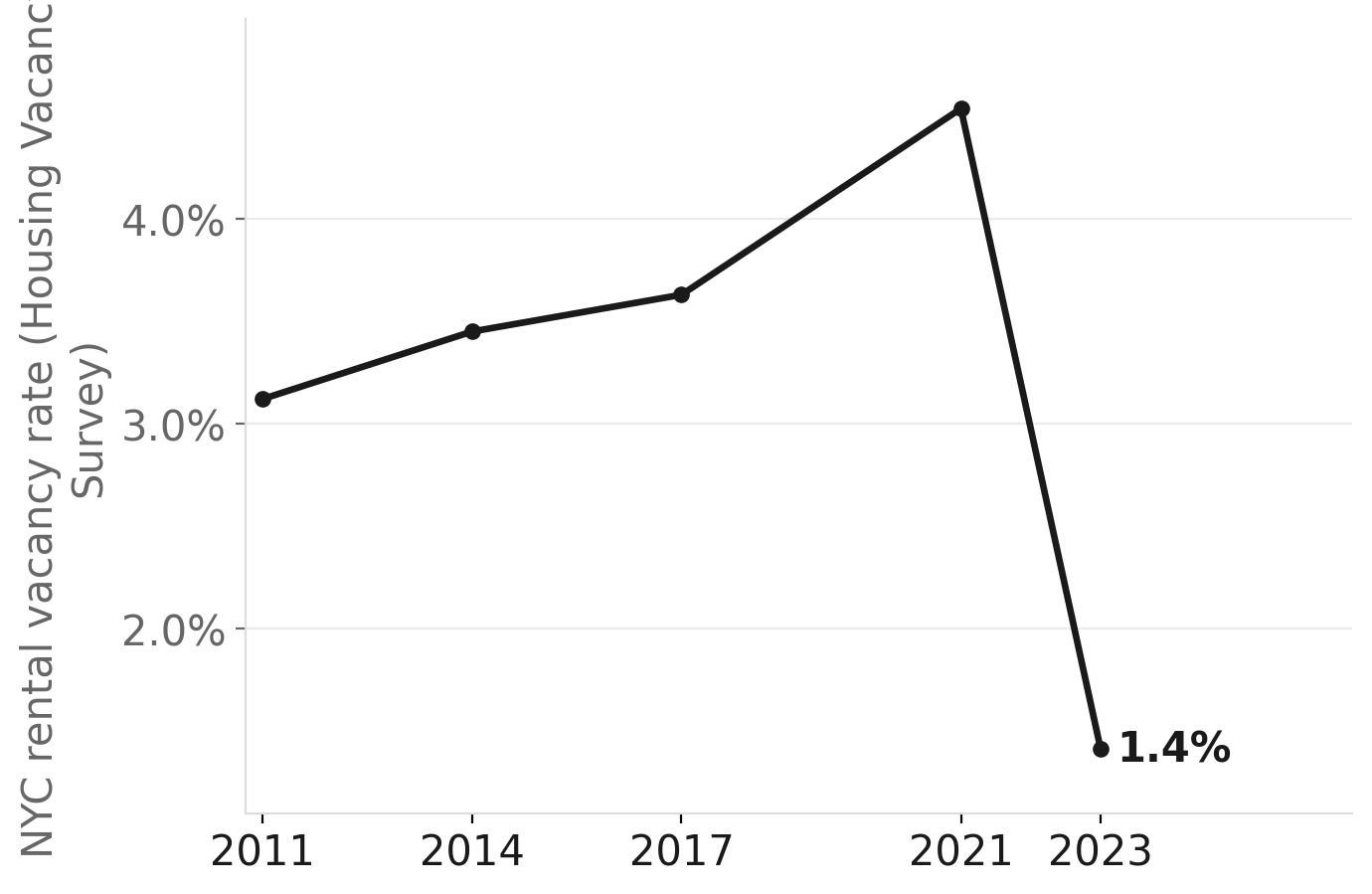
Source: NationGraph.
The equity gap is stark. M/WBE developers currently control less than 10% of city-financed affordable housing production, despite making up a much larger share of applicants. NYC Comptroller reports have flagged M/WBE underutilization in city contracting repeatedly over the years, including specifically in land development. Community development corporations with deep ties to neighborhoods in the South Bronx, Central Brooklyn and Upper Manhattan, many of them born during the disinvestment crisis of the 1970s, have struggled to compete against firms like L+M, Related and BRP.
The program fits into Mayor Eric Adams' broader housing agenda. The City Council passed his "City of Yes for Housing Opportunity" zoning overhaul in December 2024, and Adams has set a goal of 500,000 new homes over the next decade. An administration report from late 2022 called for cutting development review timelines in half.
Key details remain unclear: HPD has not publicly specified how many sites are in the initial pipeline, how many units they would produce, or what income levels the housing would serve. Those specifics will emerge as individual site RFPs are released. For developers and community groups watching this program, the next question is whether the pipeline is large enough to move the needle, or whether it amounts to a narrow lane carved out beside a highway still dominated by the same players.