Three federal grants totaling $2.83 million landed in North Carolina in a single week last month, all flowing to the same places the state's school mental health system has struggled to reach for years: rural Appalachian counties and the Lumbee tribal nation in Robeson County, one of the poorest counties in the Southeast.
The awards are part of SAMHSA's FY2026 Project AWARE cohort, a $54.9 million national release announced September 25, 2026, that sent five-year grants to school mental health programs across 37 states. North Carolina drew three of them. What makes the timing significant is not the dollar figure alone but what was already waiting for the money: a statutory framework, years of prior cohort experience, and a stack of new state legislation that arrived in the same legislative session.
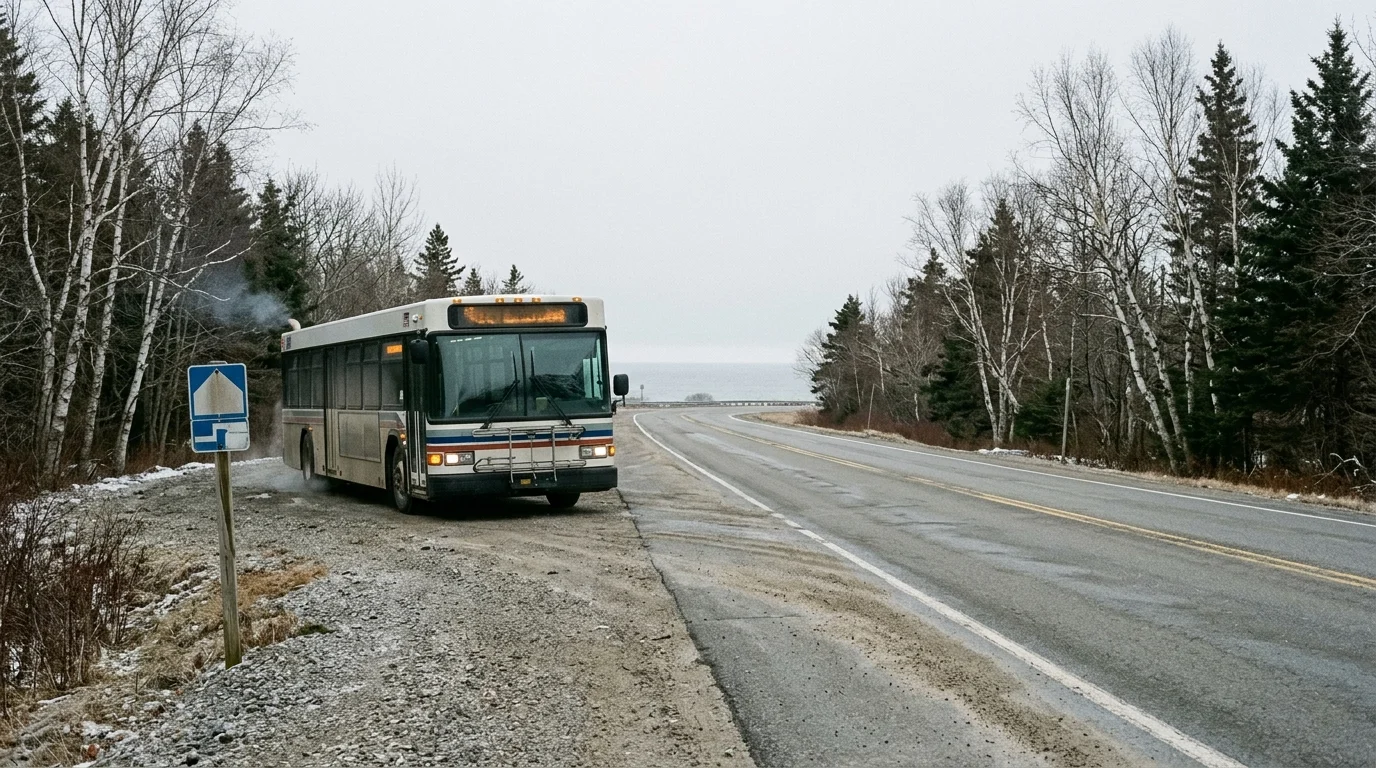
The largest of the three awards, $1.5 million to the NC Department of Public Instruction, targets Ashe, Carteret, and Person counties as the third cohort of the state's Project AWARE expansion. Together those districts serve 34 schools and just under 15,000 students. Ashe County sits in the Blue Ridge, an hour from the nearest inpatient psychiatric facility. Person County, on the Virginia border, has a single licensed clinical social worker employed directly by its school system. The grant runs through 2031, long enough to train staff, build referral pipelines, and measure outcomes across a full student cohort.
The second award, $735,000 to the NC Youth Violence Prevention Center as the Lumbee Tribe's designated partner, funds what the application calls the Lumbee Youth Suicide Prevention and Early Intervention Network in Robeson County. Suicide is the second-leading cause of death for Americans aged 10 to 24, and Indigenous communities face disproportionate exposure to the risk factors that drive adolescent crisis: poverty, geographic isolation, historical trauma, and provider scarcity. Robeson County has all of them. A five-year federal grant won't reverse that, but it creates the kind of sustained infrastructure, trained staff, community health workers, crisis referral protocols, that one-year discretionary awards cannot.
Duke University received the third award, $598,000, for a Center for Trauma-Informed Adolescent Suicide, Self-Harm, and Substance Abuse Treatment and Prevention. Duke's role is explicitly designed to support the LEA-level grantees, providing clinical training and evaluation capacity that rural districts cannot build internally.
The three grants reinforce each other. NC DPI builds the systems-level infrastructure in school districts. The Lumbee network handles community-based prevention in a tribal context the state system was not designed to reach. Duke provides the clinical backbone. According to North Carolina Health News, this architecture mirrors what earlier Project AWARE cohorts built in Beaufort, Cleveland, Rockingham, Jackson, Nash, and Sampson counties, meaning North Carolina now has three successive waves of federally funded school mental health infrastructure running simultaneously across 12 counties.
The federal money is arriving into a state policy environment that has been building toward exactly this moment. Governor Josh Stein signed the Student Helpline Act earlier this year, requiring the 988 Suicide and Crisis Lifeline number to appear on all student IDs and school websites, a low-cost visibility measure aimed at closing the gap between a student in crisis and the first available resource. The General Assembly introduced SB 783, the School Mental Health Support Act, in April 2026, proposing a state grant program to supplement federal dollars for school-based mental health staffing. H 578 would require annual suicide prevention training for every K-12 educator in the state. None of those bills is enacted yet, but their existence matters: they signal that the legislature is building a funding floor below the federal ceiling, and that the counties receiving SAMHSA awards are not expected to sustain this work on federal dollars alone after 2031.
North Carolina already requires every K-12 unit to maintain a school mental health plan, a suicide risk referral protocol, and a staff training program under GS 115C-376.5. That mandate, in place before the current grants arrived, means the federal money is not starting from scratch. It is extending and deepening a statutory infrastructure that already exists.
For families in Ashe, Person, Carteret, and Robeson counties, the practical change is counselors with dedicated crisis training, referral pathways that don't dead-end at a busy school psychologist, and community health workers who speak to the specific circumstances of rural and tribal adolescent life. Whether the General Assembly passes SB 783 and H 578 before the 2026 session closes will determine whether those services outlast the five-year federal clock.