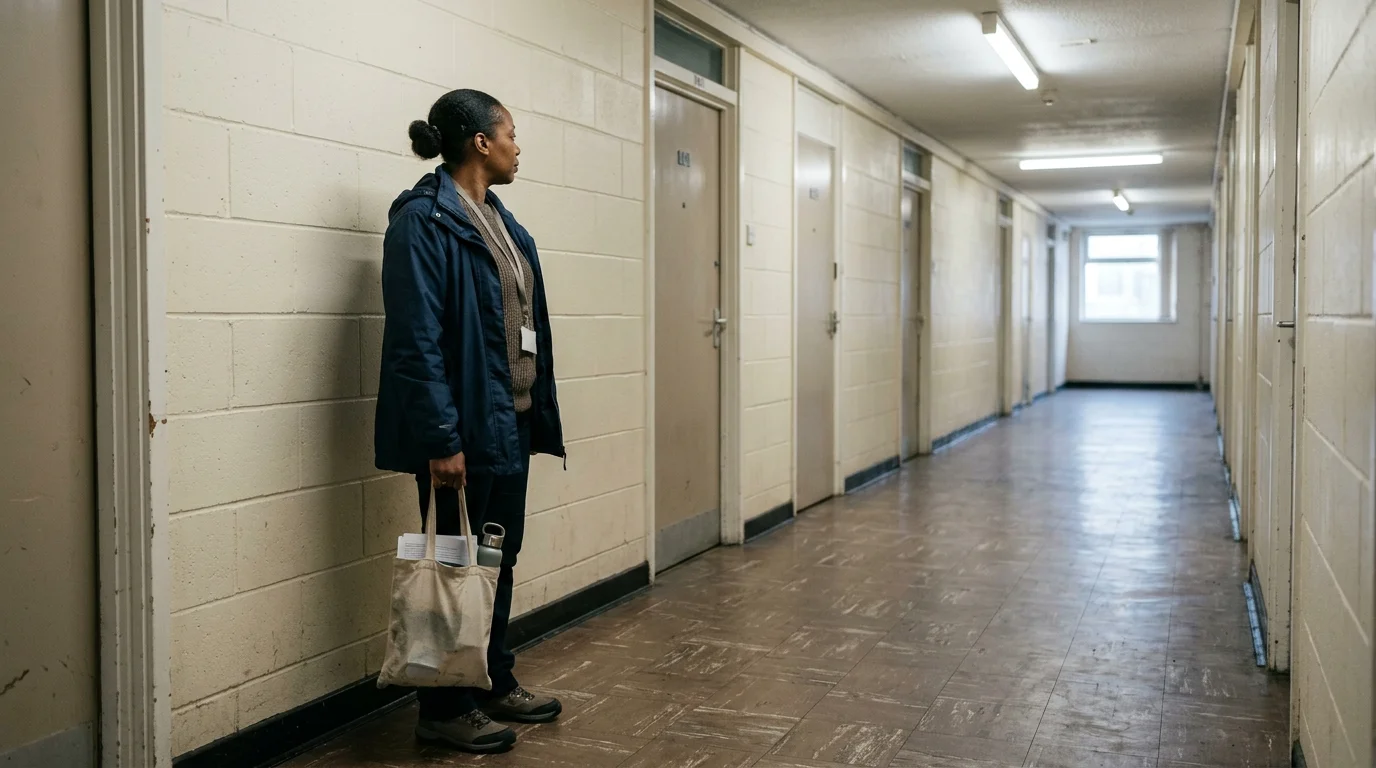
The Seattle Housing Authority is moving to embed mental health and substance use outreach workers directly in its properties, a recognition that for thousands of its most vulnerable tenants, a behavioral health crisis and an eviction notice are often the same thing.
SHA houses roughly 37,000 low-income residents across Seattle in public housing, Section 8, and mixed-income developments. Its tenant population skews heavily toward seniors, people with disabilities, and formerly homeless individuals, groups with disproportionately high rates of serious mental illness and substance use disorder. When those conditions go untreated, lease violations accumulate, crises escalate, and residents who have nowhere else to go can end up back on the street.
The agency is now seeking licensed behavioral health and substance use providers to run an on-call outreach program targeting residents whose untreated conditions are putting their housing at risk. The goal, as SHA frames it, is straightforward: connect people to care before the situation reaches a point where eviction becomes the only option. Workers would also provide rapid crisis response when a resident appears to be in active mental health distress.
Source: NationGraph.
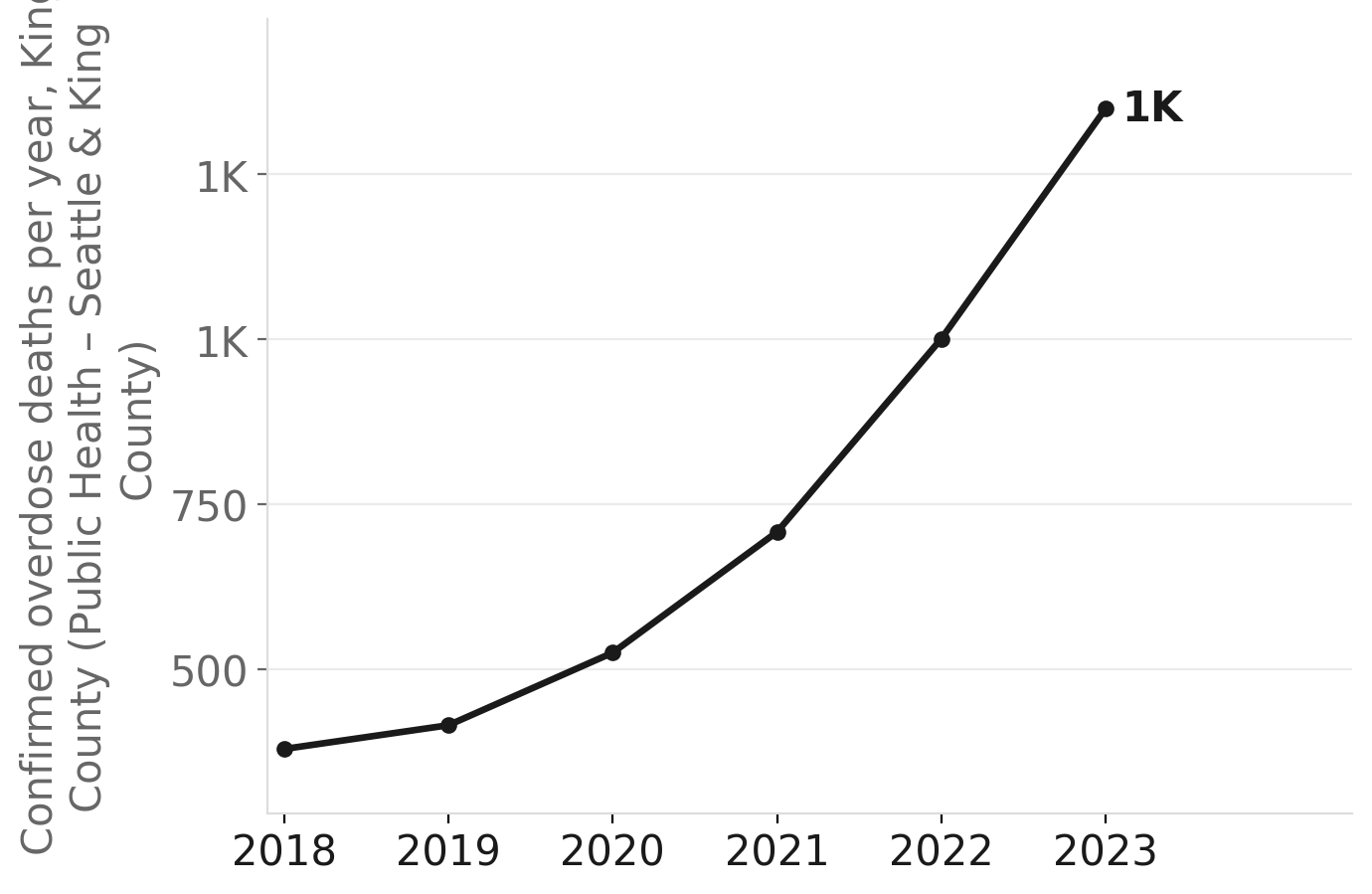
The program reflects a broader shift in how public housing authorities across the country are operating. Designed as landlords and rent administrators, agencies like SHA have found themselves on the front lines of crises their staff weren't trained to handle. King County declared a homelessness state of emergency in 2015, and its 2023 point-in-time count found more than 14,000 people without shelter. The fentanyl wave that hit Seattle hard starting around 2020 compounded the problem inside SHA properties, where overdose deaths drew sustained scrutiny from reporters at the Seattle Times and KUOW, particularly at buildings serving formerly homeless seniors and disabled adults.
Washington's behavioral health system has struggled to keep pace. The state's involuntary commitment system is overwhelmed, inpatient psychiatric beds and detox slots are chronically scarce, and the 2021 Blake decision decriminalized drug possession, shifting the burden of intervention away from law enforcement and onto service providers and landlords. King County voters passed a Crisis Care Centers levy in 2023 to build new capacity, but implementation has been slow.
SHA holds a Moving to Work designation from HUD, which gives it unusual flexibility to redirect federal funds toward services rather than just rent subsidies, the mechanism that likely makes this contract possible.
Provider selection is underway. Once a contractor or group of contractors is chosen, the program will operate on an on-call basis across SHA's portfolio, with the explicit aim of keeping residents stably housed.