New Rochelle, New York has spent the past decade approving dozens of residential towers near its Metro-North station, drawing thousands of car-light residents with the promise of a 28-minute ride to Midtown Manhattan. Now the city is trying to answer the harder question: how do those residents get around once they're off the train?
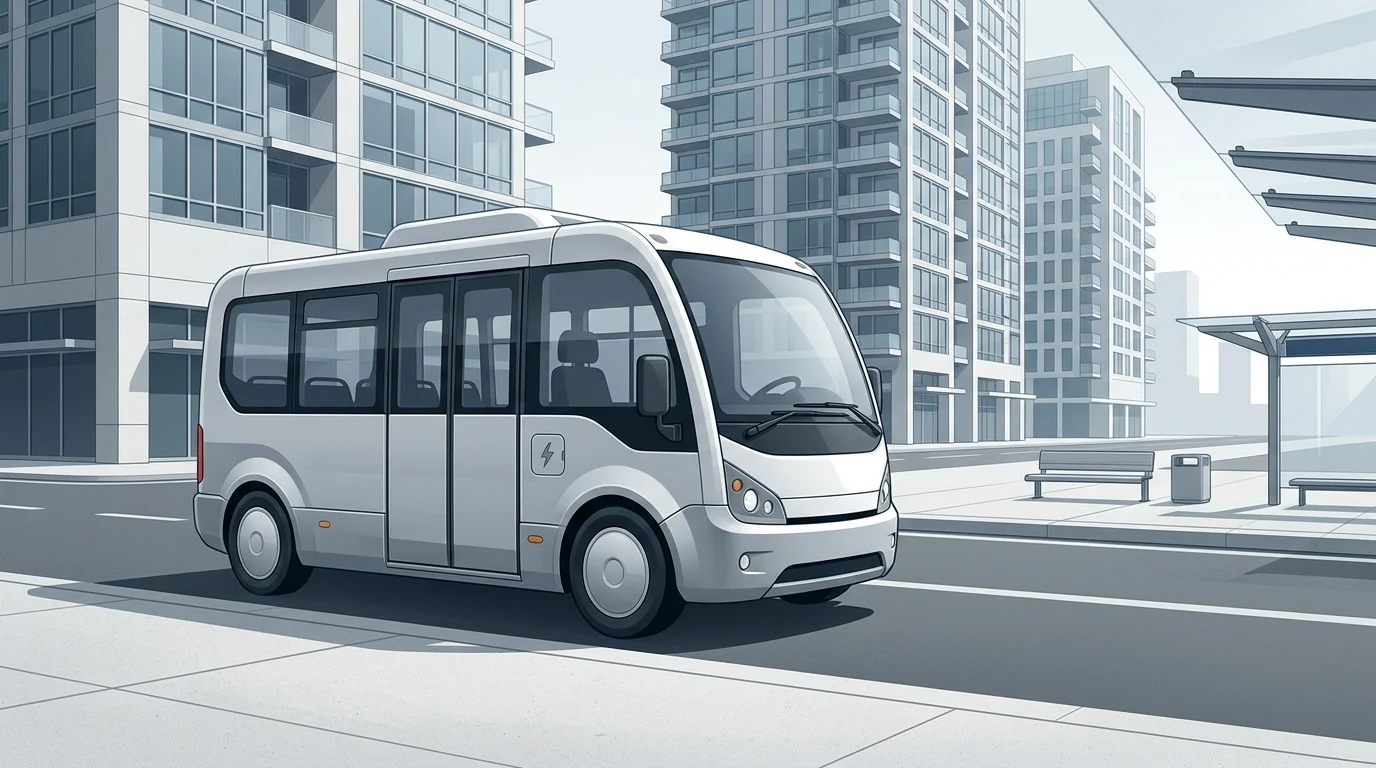
The city is looking for a private operator to run a fleet of zero- or low-emission on-demand shuttles through its downtown, with the RFP posted July 1 calling for flexible, app-based routing rather than fixed bus stops. The service is aimed at both residents and workers in the downtown corridor.
The push reflects a gap that's grown sharper as New Rochelle's building boom accelerated. Since the City Council approved a sweeping downtown development zone in 2015, more than 30 residential towers have been approved or built, adding thousands of new units. But Westchester County's Bee-Line Bus system, which handles fixed-route service in the area, hasn't recovered to pre-pandemic ridership levels, leaving stretches of a rapidly densifying downtown underserved by traditional transit.
New Rochelle isn't starting from scratch on this idea. The city previously ran a free downtown circulator called Loop NR, a trolley-style service suspended during the COVID-19 pandemic. The city was, infamously, the site of the first major U.S. outbreak in March 2020, which gutted its then-emerging downtown retail and transit ecosystem. The new micro-transit concept is more flexible than Loop NR and aligns with a model that's spread across New York in recent years. Communities including Huntington, Jamestown and Suffolk County have launched similar app-summoned shuttle programs, often using vendors like Via or Circuit, typically supported by state clean-energy funding.
State policy is also pushing New Rochelle in this direction. New York's Climate Leadership and Community Protection Act requires a 40% cut in greenhouse gas emissions by 2030, with transportation as the largest contributing sector. Requiring zero- or low-emission vehicles makes the city a stronger candidate for NYSERDA and state transportation funding that increasingly favors clean-transit pilots.
Mayor Yadira Ramos-Herbert, elected in 2023 as the city's first Black and Latina mayor, has emphasized both climate action and equitable mobility in a city that is roughly 30% Hispanic and 27% Black. On-demand micro-transit, if priced accessibly, can reach riders between fixed bus corridors who have limited alternatives.
The city has not specified a launch timeline or budget in the public posting. How the service will be funded, what fares (if any) riders will pay, and which vendor ultimately wins the contract will shape whether it becomes a lasting fixture or another pandemic-era transit casualty.