Mifflinburg, Pennsylvania is trying again to find an electrical contractor for a $1.8 million water system overhaul after no one bid on the job the first time around, a setback that illustrates a persistent problem for small rural boroughs trying to maintain aging infrastructure.
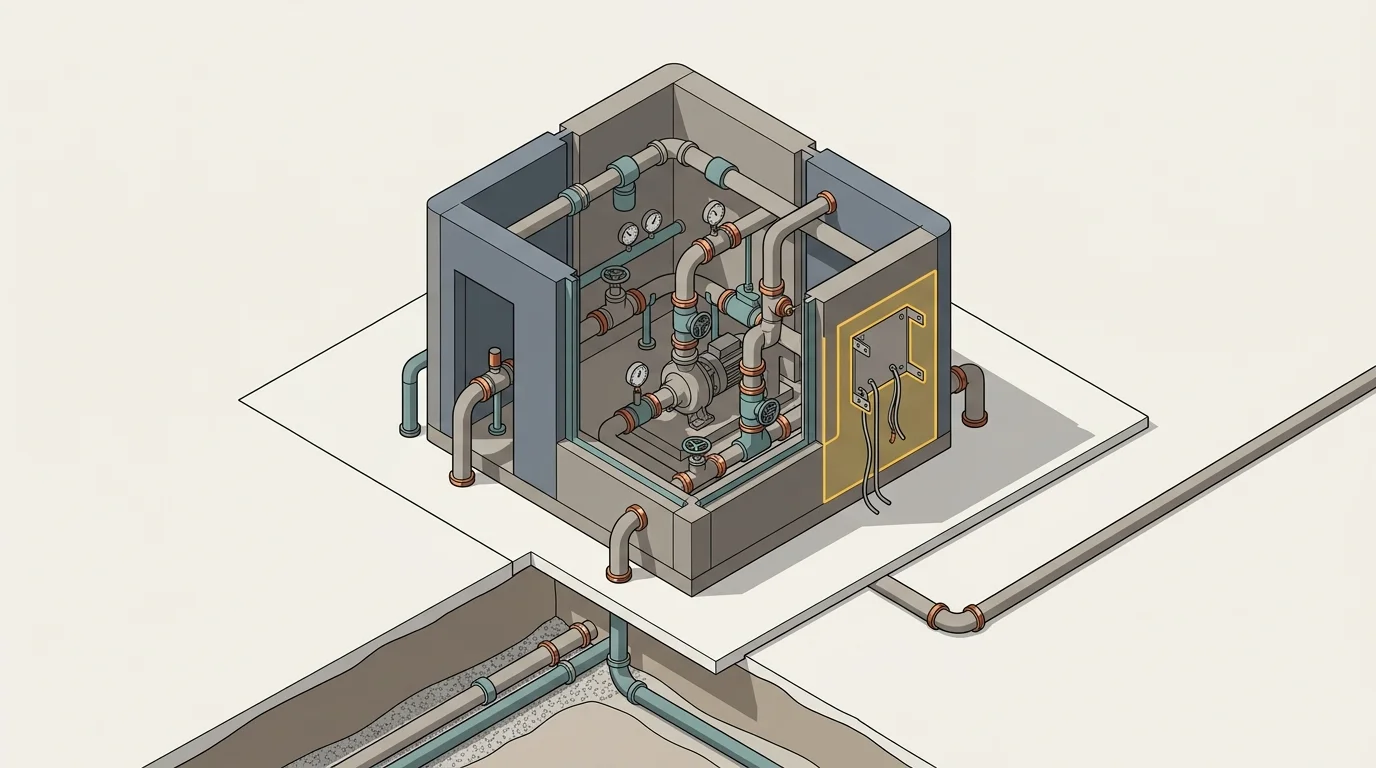
The borough of roughly 3,500 people in Union County is replacing approximately 1,800 linear feet of water mains along Old Orchard Lane and installing a new booster pump station to replace an existing one that has reached the end of its reliable life. Booster stations are essential for maintaining adequate water pressure in parts of a distribution system that are elevated or far from the main supply; when they fail, residents can face low pressure, boil-water advisories, or outages.
The electrical work for the new pump station drew zero bids when the contract first went out in April. The borough has now posted a rebid seeking contractors.
Source: NationGraph.
The failed first round points directly to a structural problem in Pennsylvania procurement law. Under the state's Separations Act, a law dating to 1913, municipalities must split construction projects into separate contracts by trade: general, electrical, plumbing, and HVAC work cannot be bundled under a single contractor. The intent was to protect specialty trade contractors, but the practical effect in rural communities is that each trade contract must stand alone and attract its own bidder. For a small electrical scope on a pump station project in a borough like Mifflinburg, larger firms in Williamsport, State College, or Harrisburg may simply not find the job worth the mobilization costs and bonding requirements. Efforts to reform or repeal the Separations Act have repeatedly stalled in Harrisburg, blocked by trade unions and specialty contractor associations.
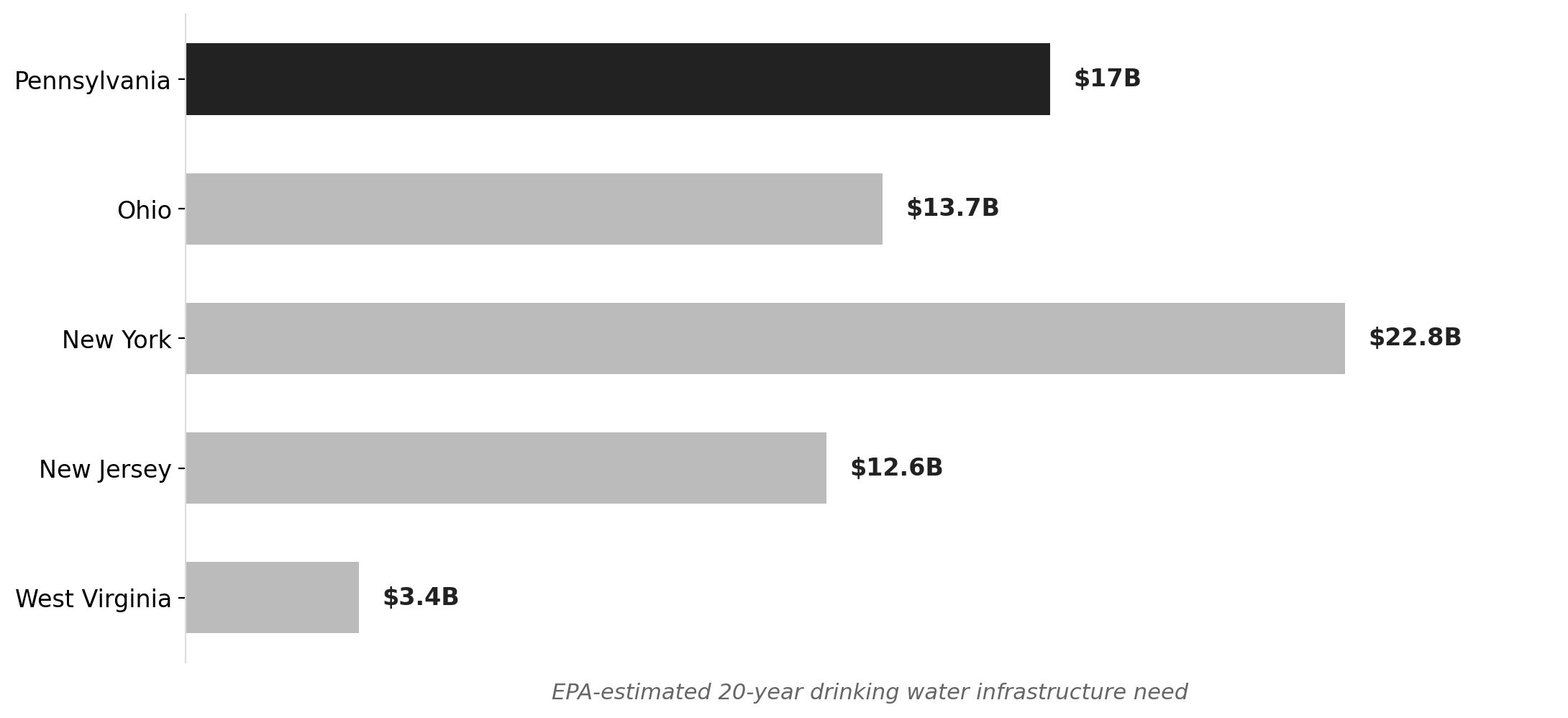
The situation is not unique to Mifflinburg. As previously reported, the pattern of small Pennsylvania boroughs struggling to attract bidders under the Separations Act has become a recurring obstacle for communities with modest tax bases and aging systems built in the mid-20th century. Pennsylvania's water infrastructure needs are substantial: a 2023 EPA survey estimated the state requires more than $17 billion in water investment over the next 20 years.
If a contractor responds to the rebid, the borough will move forward with replacing the mains and pump station. If the second round also comes up empty, Mifflinburg's options narrow considerably.