Merced County, California is moving to hire a construction contractor for the long-delayed Black Rascal Creek Flood Control Project, taking a concrete step toward protecting neighborhoods that have flooded repeatedly while the project sat on the shelf for more than 60 years.
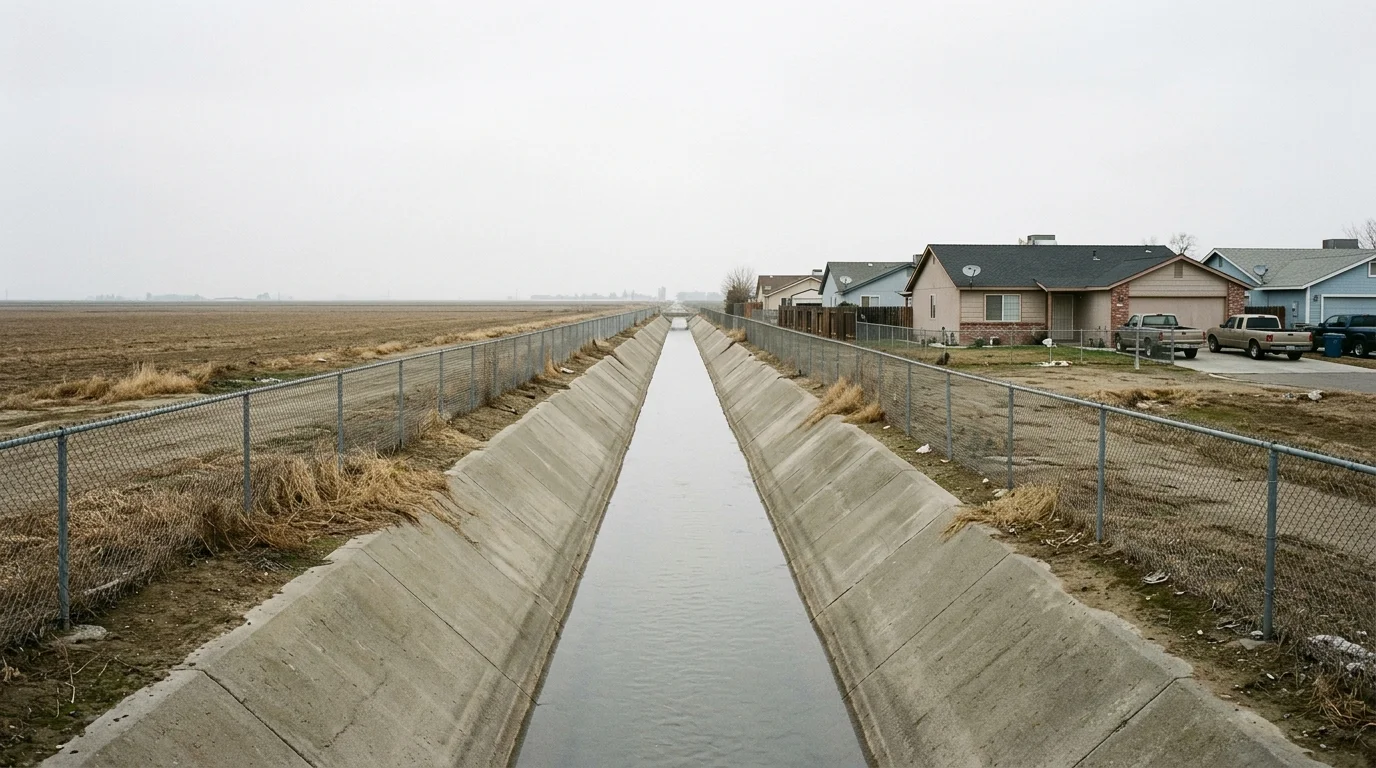
Black Rascal Creek drains from the Sierra Nevada foothills through the northeast side of the City of Merced before emptying into Bear Creek. During heavy storms, the channel can't handle the flow, sending water into residential neighborhoods, farmland and downtown. The U.S. Army Corps of Engineers first authorized a fix in the 1960s as part of the broader Merced County Streams Project, but funding lapsed and the effort went dormant for decades.
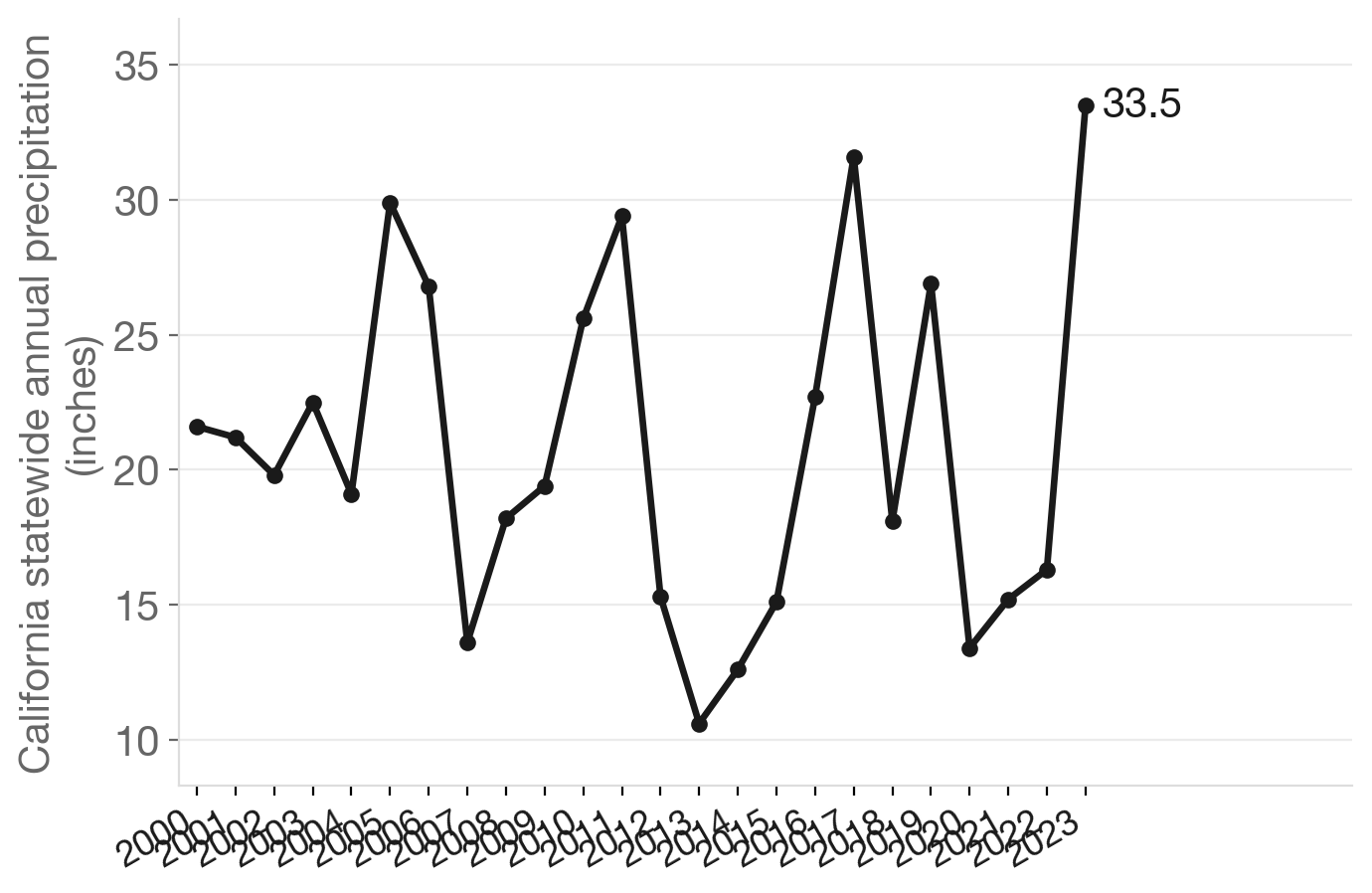
The January 2023 atmospheric river season flooded the farmworker community of Planada and other parts of Merced County, damaging hundreds of homes and prompting a state of emergency declaration from Governor Newsom. Many of Planada's residents were undocumented farmworkers who weren't eligible for FEMA assistance, and the disaster became a statewide symbol of how flood-infrastructure failures fall hardest on disadvantaged communities. State lawmakers responded with emergency funds and renewed pressure to accelerate projects like this one.
Source: NationGraph.
Merced County and the Merced Streams Group secured a combination of state Department of Water Resources grants and federal Corps funding to push the project into construction. The county has posted the construction bid on its procurement portal. The contract value and construction timeline were not disclosed in the solicitation record.
Merced County, home to about 290,000 people, is one of California's poorest counties, with a large agricultural economy and a majority-Latino population. Climate scientists expect California's precipitation to grow more volatile, with longer dry spells broken by increasingly intense atmospheric rivers, putting the Central Valley's aging mid-20th-century flood infrastructure under growing strain.
For a region that has watched this project promised and postponed across six decades, the question now is whether construction can be completed before the next major storm season tests the creek again.