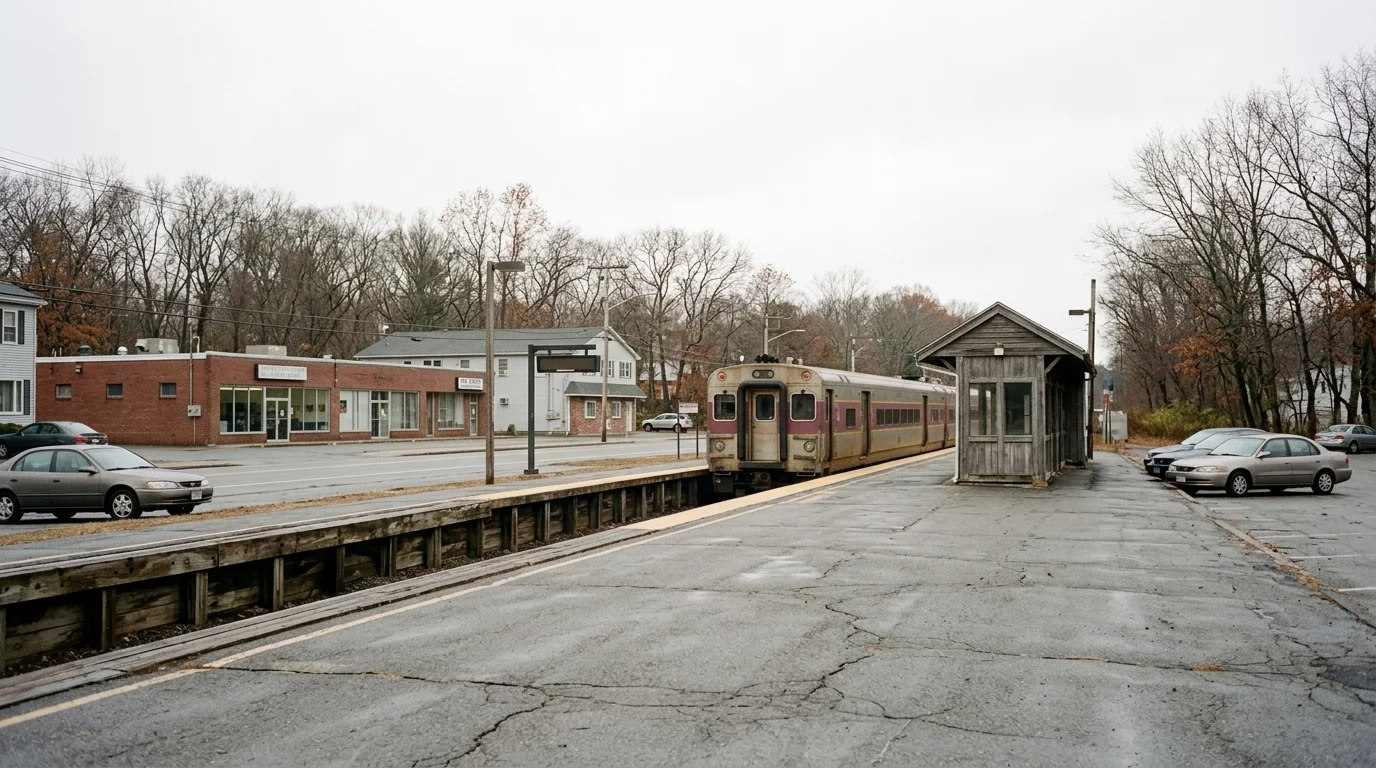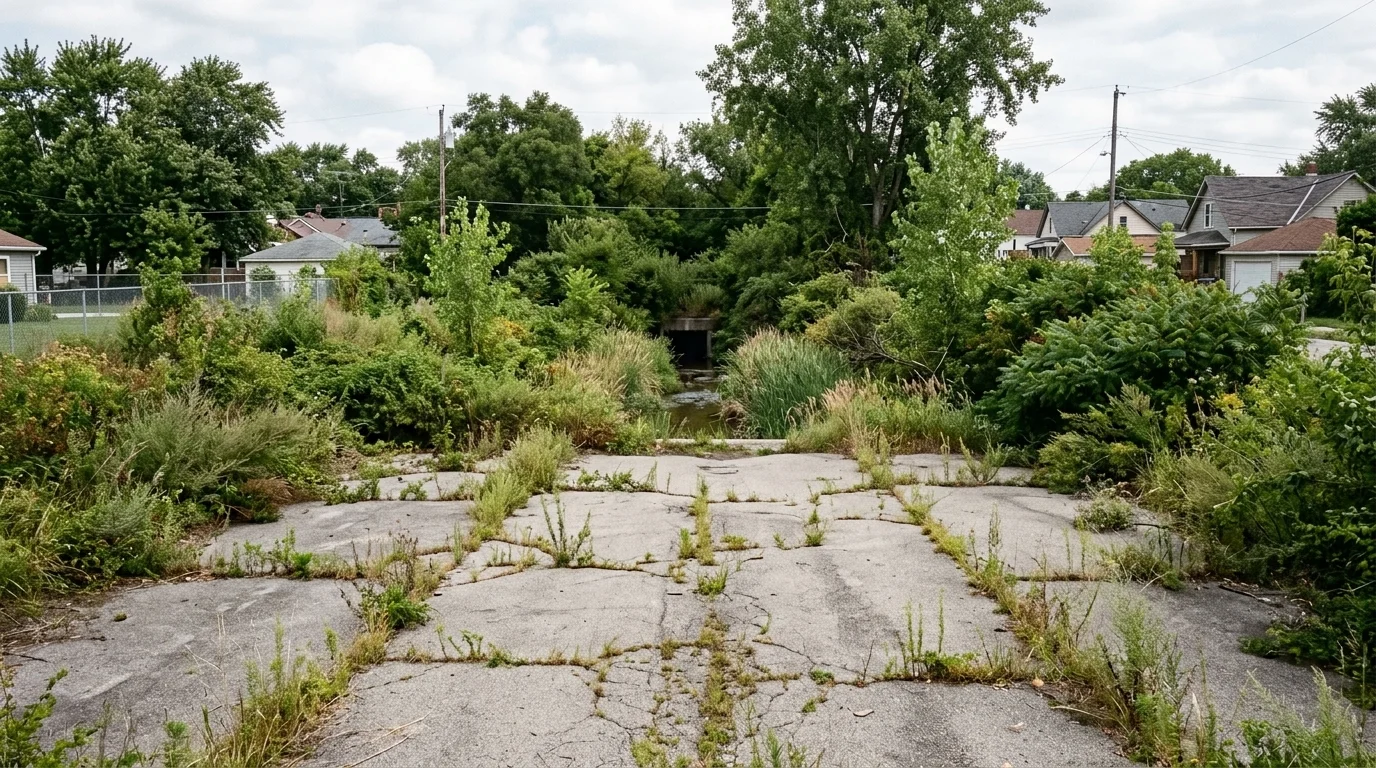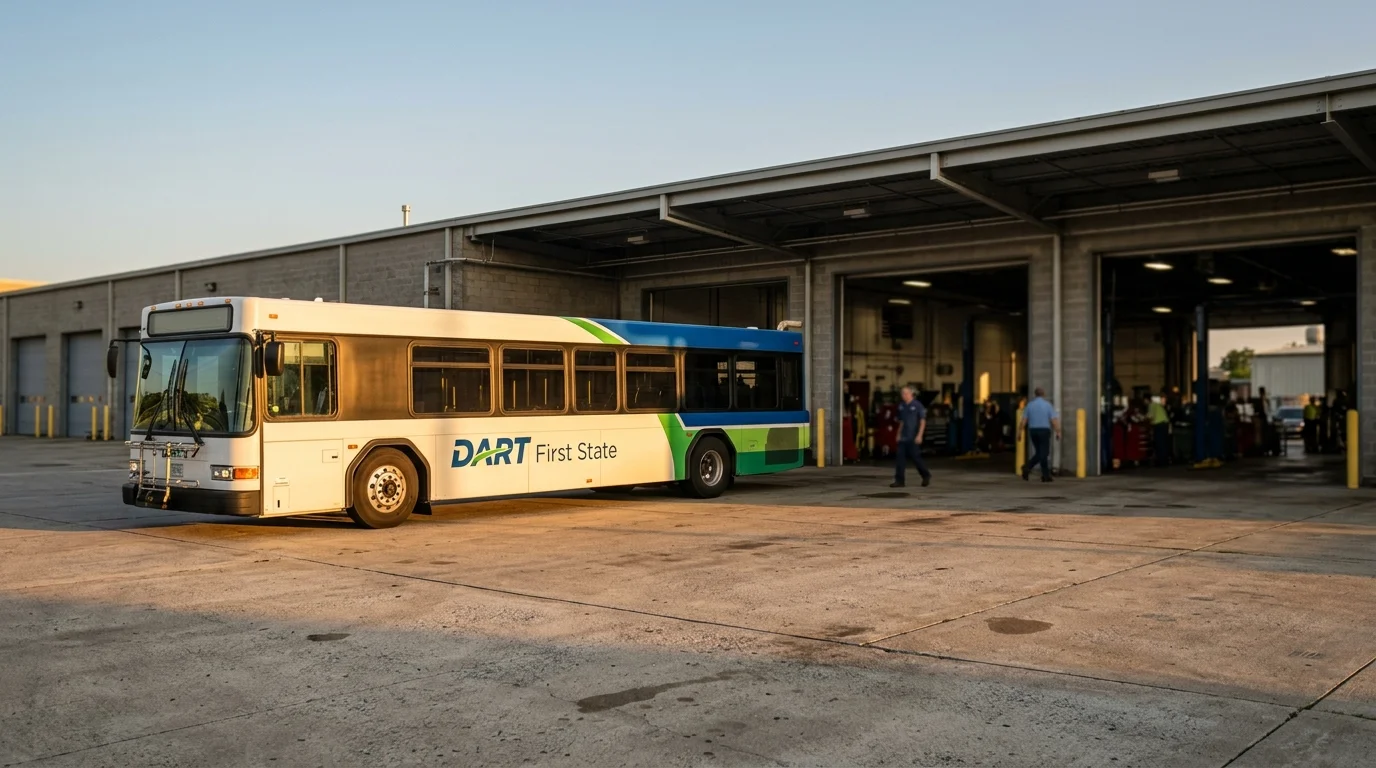
More than a decade after Jamaica Plain residents successfully pushed to shut down the Arborway bus garage over diesel pollution and noise, the MBTA is preparing to bring buses back to the same site, this time to anchor its push to electrify Boston's fleet.
The agency is hiring a construction manager to build a new bus maintenance and storage complex at 500 Arborway, a site that has sat largely vacant since the original garage was demolished in 2011. The project is listed on the MBTA's bid portal and calls for a facility capable of housing up to 200 battery-electric and hybrid-electric buses, along with dedicated charging infrastructure, a maintenance building and a wash facility totaling roughly 93,000 square feet of new construction.
The project is a cornerstone of the MBTA's broader effort to convert its roughly 1,100-bus fleet to zero-emission vehicles by 2040, as required under Massachusetts' 2021 climate law. That mandate is pressing the agency to update facilities fast: most of its existing garages were built in the mid-20th century for diesel buses and lack the electrical capacity or charging hardware needed for electric fleets. The MBTA has already started rebuilding garages in Quincy, North Cambridge and Lynn, but Arborway is among the largest in the program.
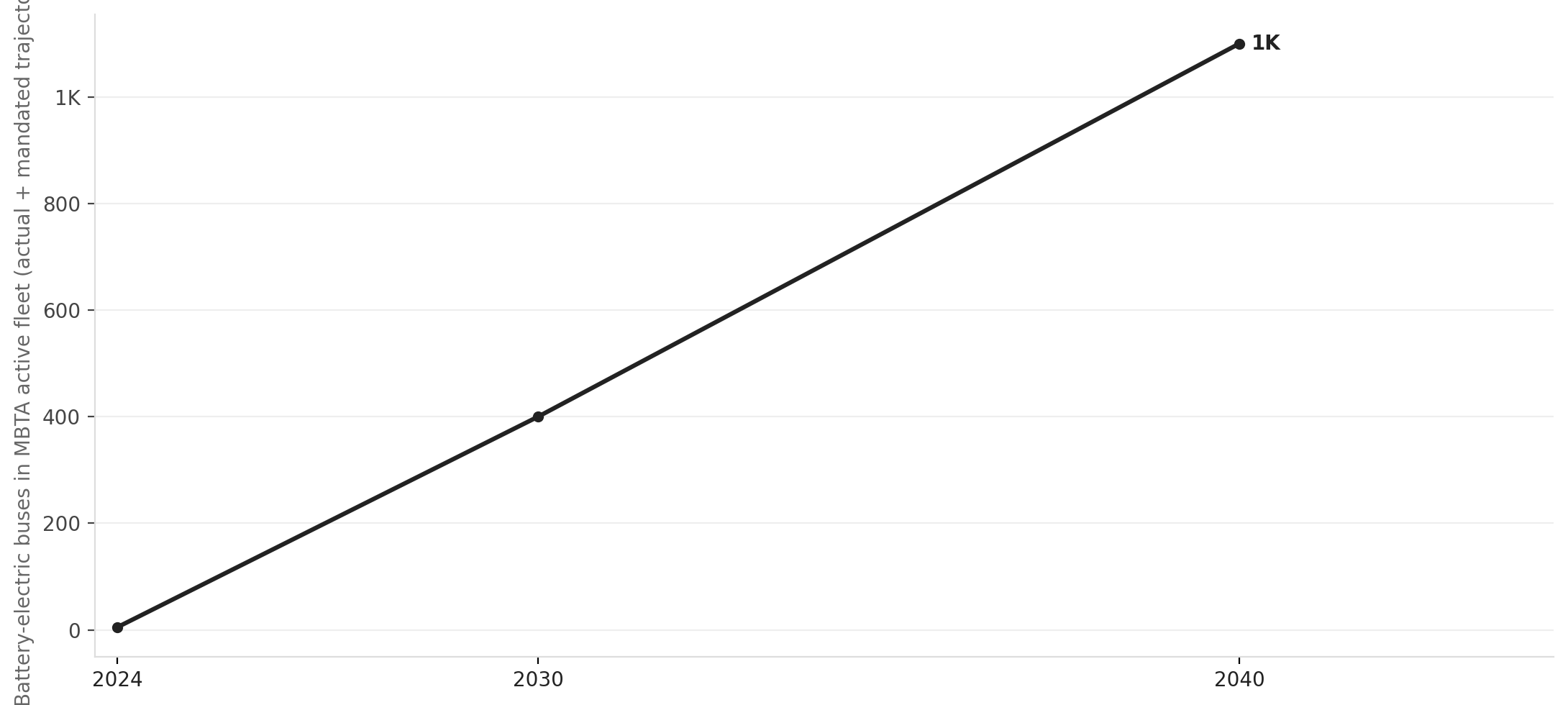
Source: NationGraph.
The site's return to active bus use is politically charged. For years, the original Arborway yard was a focal point of environmental justice organizing in Jamaica Plain, a dense residential neighborhood where lower-income residents and people of color bore the brunt of diesel exhaust and around-the-clock operations. The garage's 2011 demolition was a hard-won victory. Now the MBTA is asking those same neighbors to accept buses again, betting that electric vehicles change the calculus.
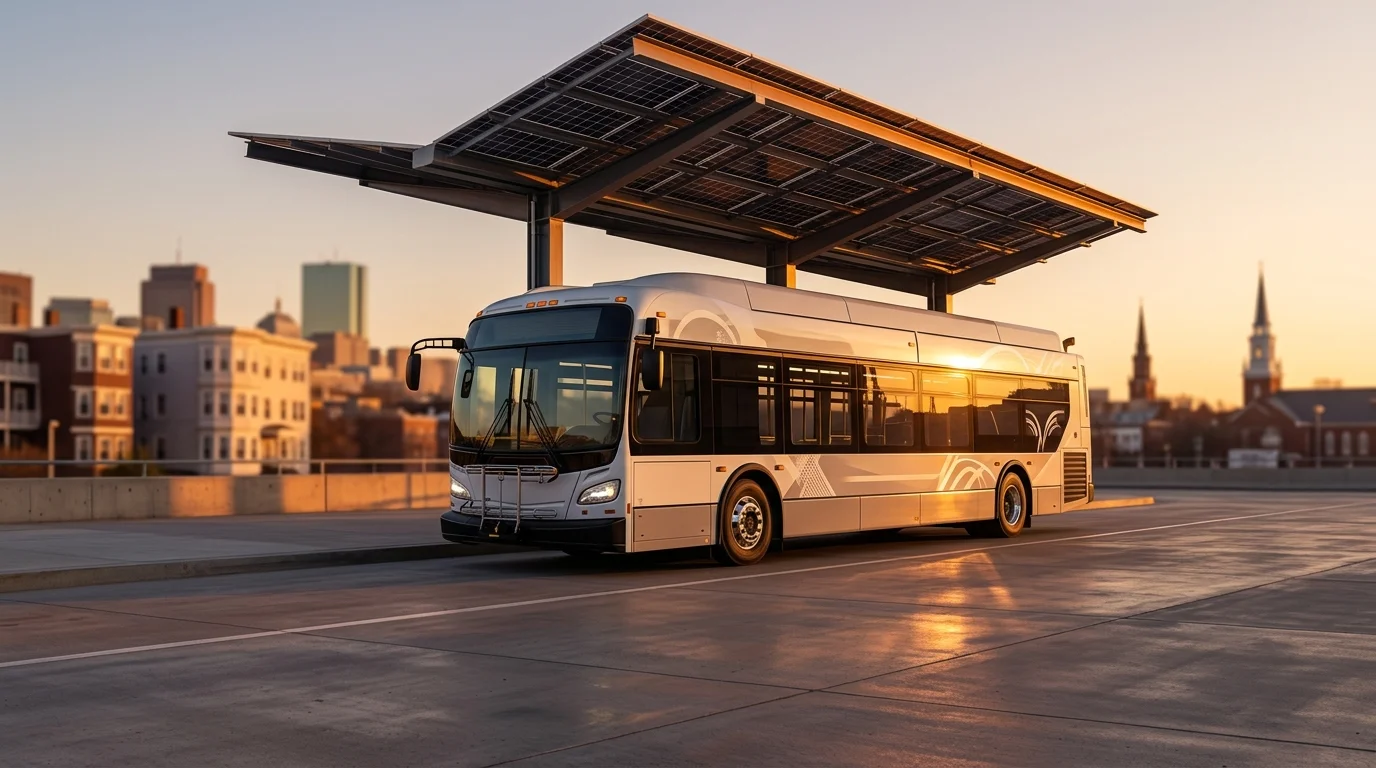
The new facility's parking canopy over the 200-bus storage area must be, at minimum, solar-ready. The project also requires demolishing the remaining buildings on the 500 Arborway and 327 Forest Hills Street properties before new construction can begin. The site sits adjacent to the Forest Hills Orange Line station and the Arnold Arboretum, making it a major node in the city's transit network.
The MBTA is using a Construction Manager at Risk delivery method, an approach that brings the builder in early to help control costs and schedule. That choice likely reflects lessons from the Quincy garage rebuild, which has faced cost overruns and delays. The agency is under sustained pressure from the Healey administration, climate advocates and riders to show it can deliver capital projects on time amid years of reliability problems.
Contractor selection is now underway. How quickly the project breaks ground, and how Jamaica Plain residents respond to the plans, will be closely watched.