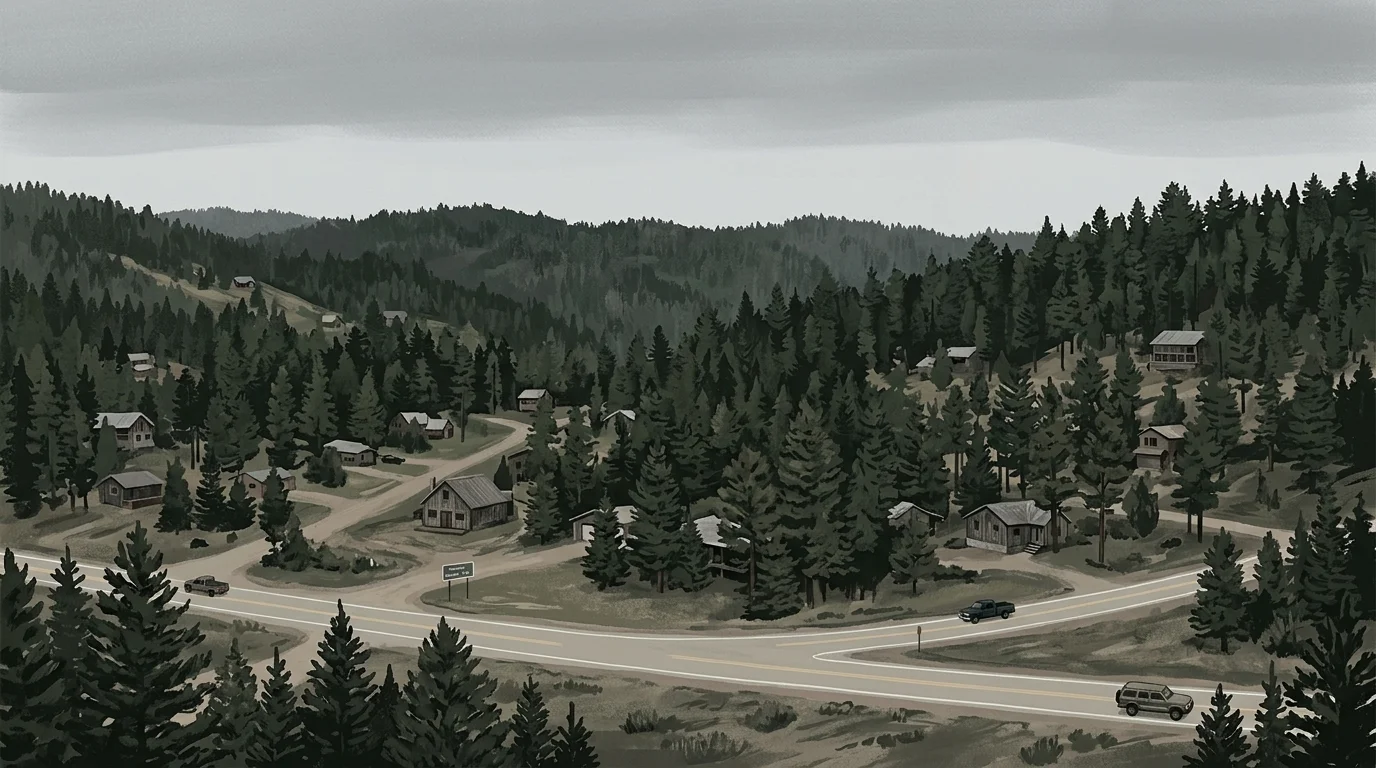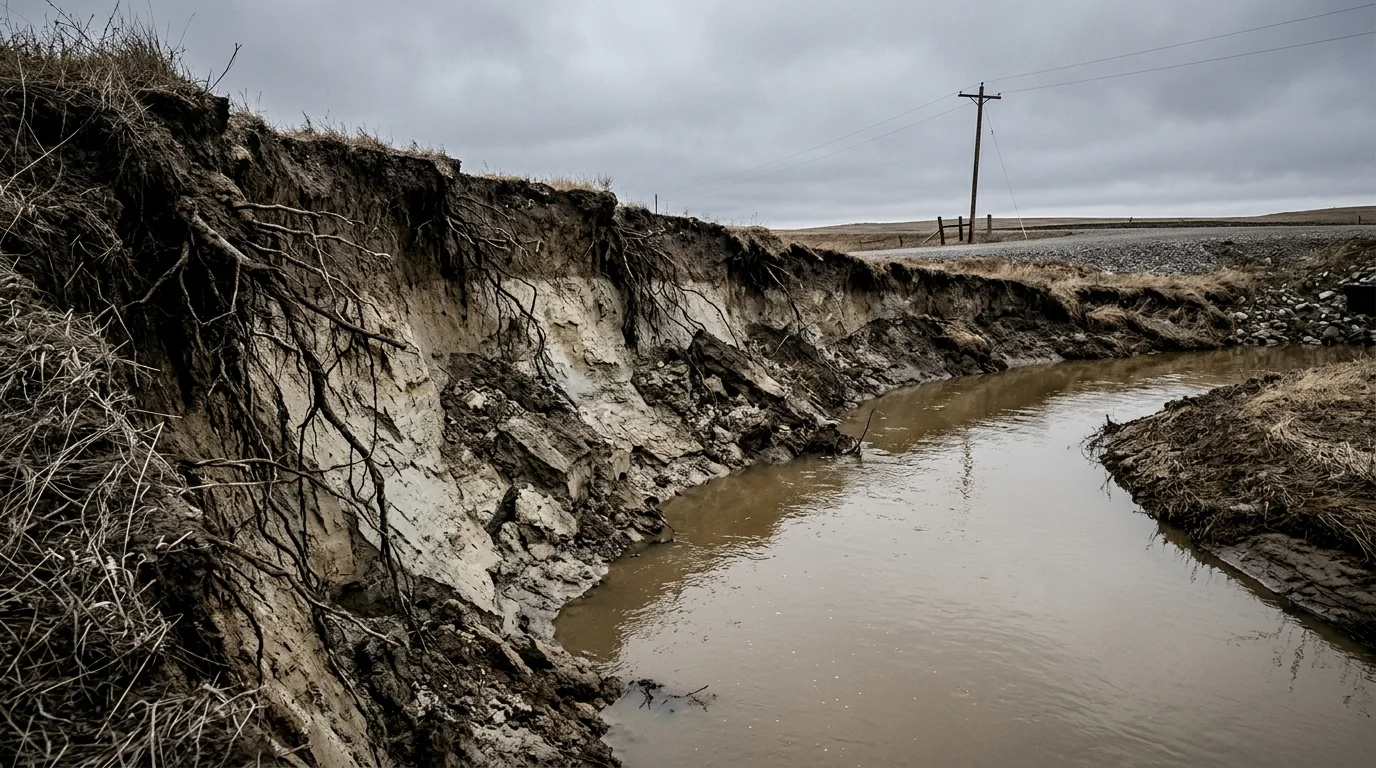
Libby Creek, which winds through one of Montana's most economically stressed small towns before emptying into the Kootenai River, is still hemorrhaging bank material six months after an unusual December flood scoured its channel and threatened nearby homes, roads and utilities.
The Montana Department of Environmental Quality has put out an emergency call for bank stabilization contractors, bypassing standard competitive bidding timelines because officials believe further bank failure is imminent. The project targets Lincoln County in Montana's far northwest corner, near the town of Libby, population roughly 2,800.
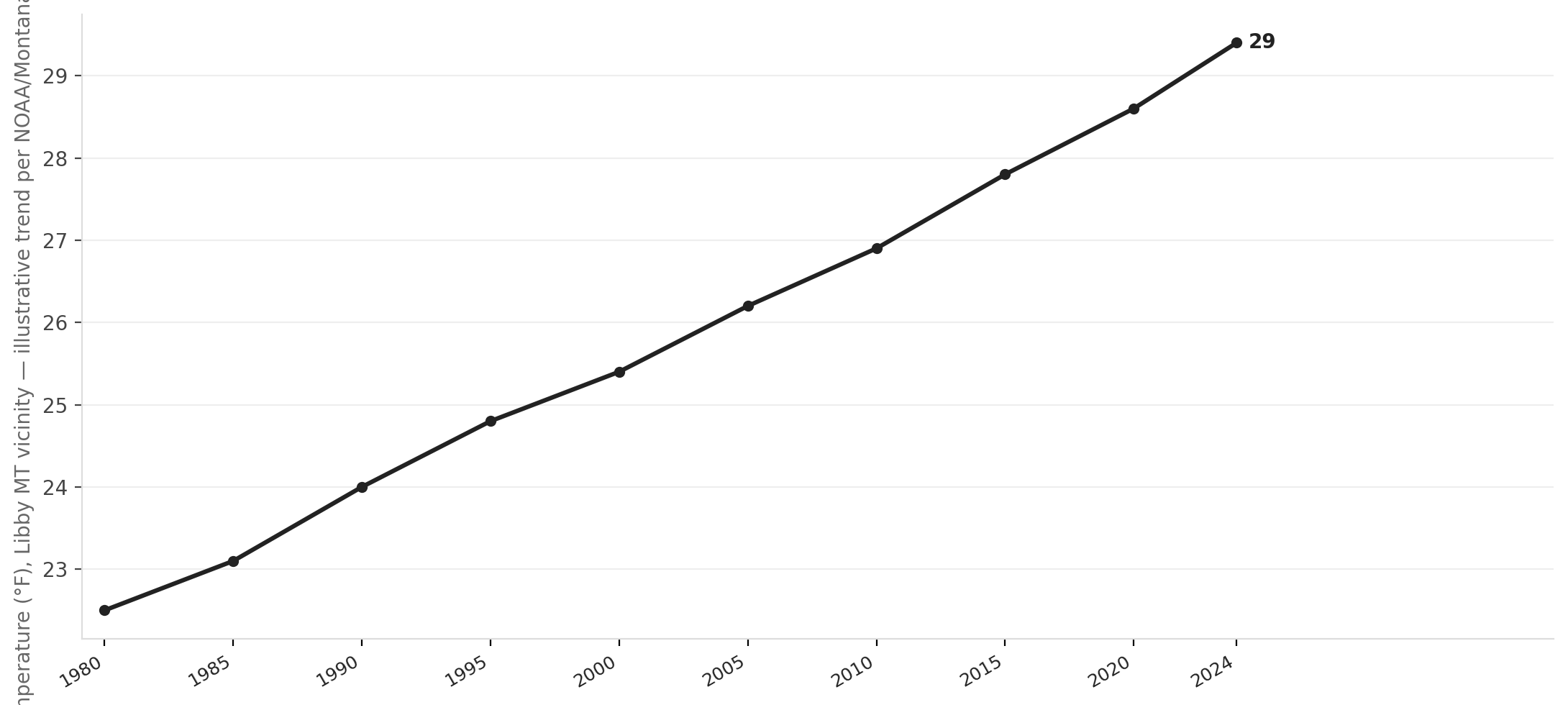
December floods on Libby Creek were once rare. The creek's flood history has been shaped by spring snowmelt and ice jams, not mid-winter events. But a pattern climatologists have been tracking across the Northern Rockies is changing that: warmer winters are producing more rain-on-snow events and mid-winter thaws that send creeks surging outside the traditional flood season. The December 2025 event fits squarely in that trend.
Source: NationGraph.
The six-month gap between the flood and the emergency procurement raises a question worth asking. State officials have not detailed the delay publicly, but it likely reflects a familiar combination of factors: spring runoff this year may have revealed additional bank damage that wasn't fully visible in winter, and state or federal disaster funding cycles often take months to align before contracts can move forward.
The work faces environmental complications that go beyond a typical creek repair. Libby sits at the center of one of the worst environmental disasters in American history, the W.R. Grace vermiculite mine, where decades of asbestos exposure sickened and killed hundreds of residents. That Superfund legacy means any sediment disturbance in local waterways draws close federal scrutiny, and contractors will need to navigate both state 310 permitting requirements under Montana's Natural Streambed and Land Preservation Act and federal Clean Water Act protocols.
Libby Creek also runs close to Highway 2 and BNSF rail lines, meaning bank failures in the wrong place can quickly become a much larger infrastructure problem for a county with limited resources to absorb disaster costs on its own.
This is not the first time state agencies have moved urgently on Libby Creek. As NationGraph has previously reported, the creek has drawn repeated emergency attention as Montana's flood calendar shifts in ways the state's response systems weren't built for.
With summer construction season underway, the window to complete stabilization work before next winter is narrow.