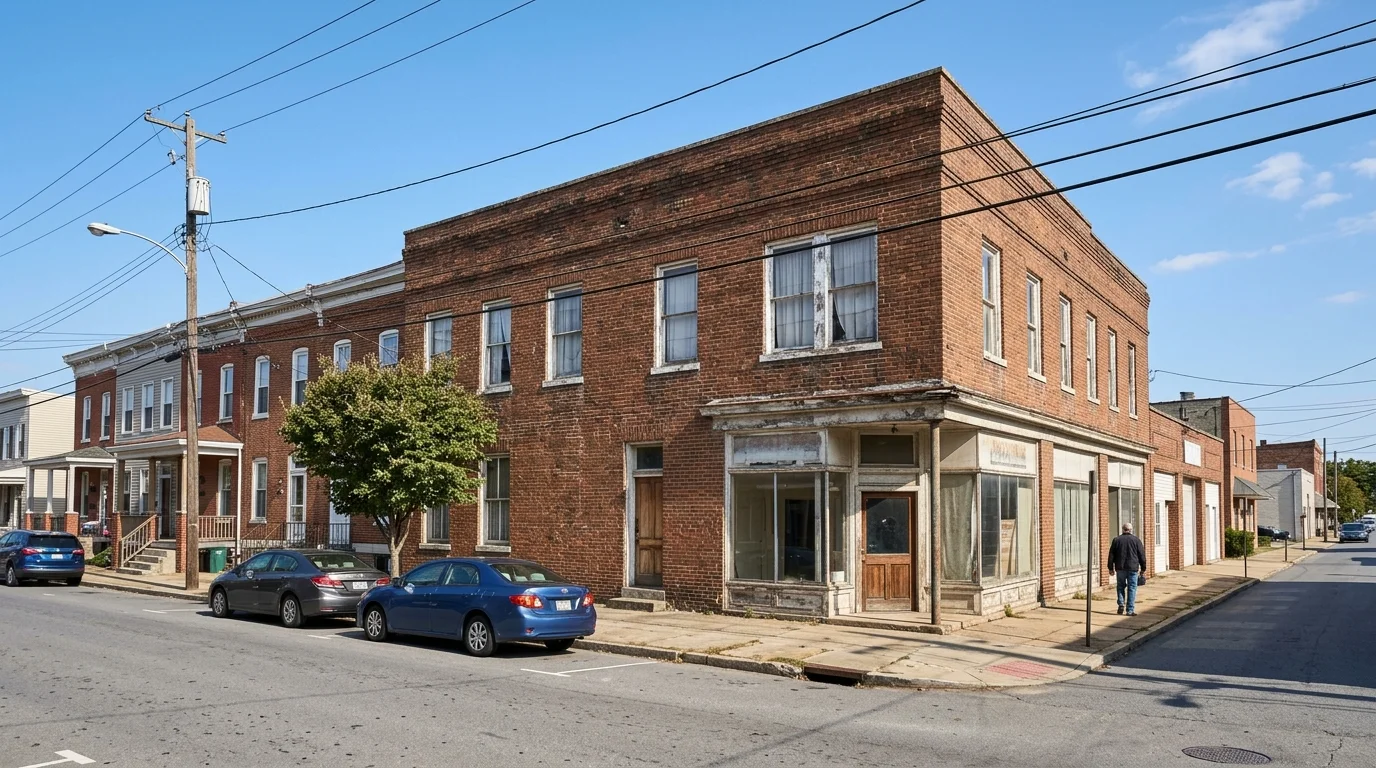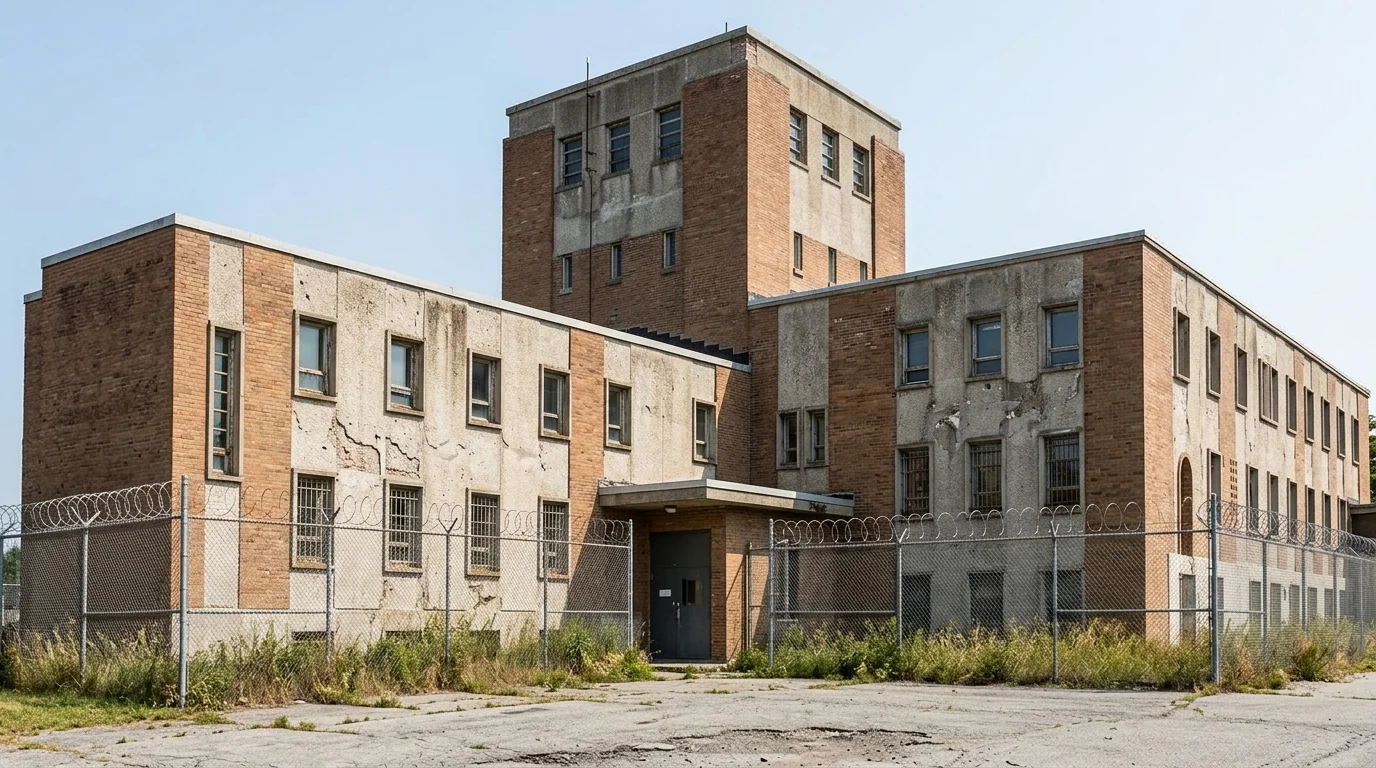
Ingham County, Michigan is taking the first concrete step toward replacing its aging juvenile justice facility in Mason, hiring architects and engineers to design a new Youth Center after years of debate over what the building should ultimately be.
The county posted a solicitation for architectural and engineering services on June 19, marking the formal launch of a project that has been discussed for more than a decade. The existing Family Center campus, also in Mason about 15 miles south of Lansing, has long drawn criticism as outdated and poorly suited to modern approaches that prioritize mental health treatment and family connection over confinement.
The choice of design firm carries real consequences. Whoever the county selects will effectively determine the facility's orientation: how many secure detention beds it holds, how much space goes to behavioral health and education, and whether the overall feel is therapeutic or institutional. Earlier county discussions floated price tags ranging from $40 million to $70 million, though the RFP does not disclose a final budget, bed count or confirmed site.
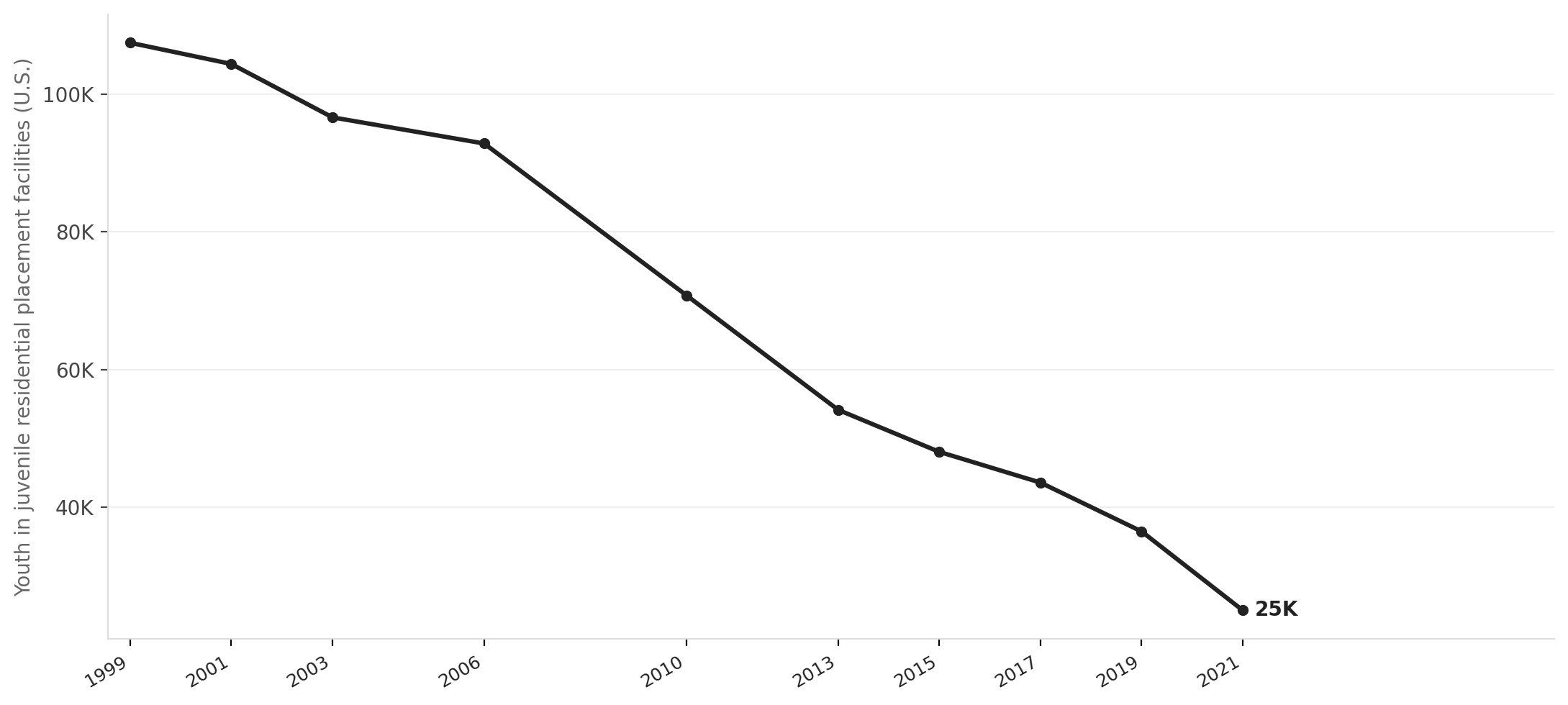
Source: NationGraph.
The timing reflects competing pressures on county juvenile systems across Michigan. Detention populations have fallen roughly 75% from their early-2000s peak as counties embraced rehabilitation-focused models, but Michigan's 2021 Raise the Age law added 17-year-olds to juvenile jurisdiction, increasing demand on facilities like this one. A post-pandemic rise in serious juvenile cases has further strained capacity statewide, with bed shortages becoming a recurring problem at facilities including Wayne County's Juvenile Detention Facility.
Inghnam County commissioners have also documented significant racial disparities in juvenile justice involvement locally, with Black youth overrepresented in the system. That context has made the facility's design philosophy a politically charged question for a board that has publicly emphasized criminal justice reform and racial equity.
A major capital project of this scale would typically require county bonding or a voter-approved millage. The county has not yet announced a funding mechanism. The design process, once a firm is selected, will be the next opportunity for public input on what the new facility will look like and who it will serve.