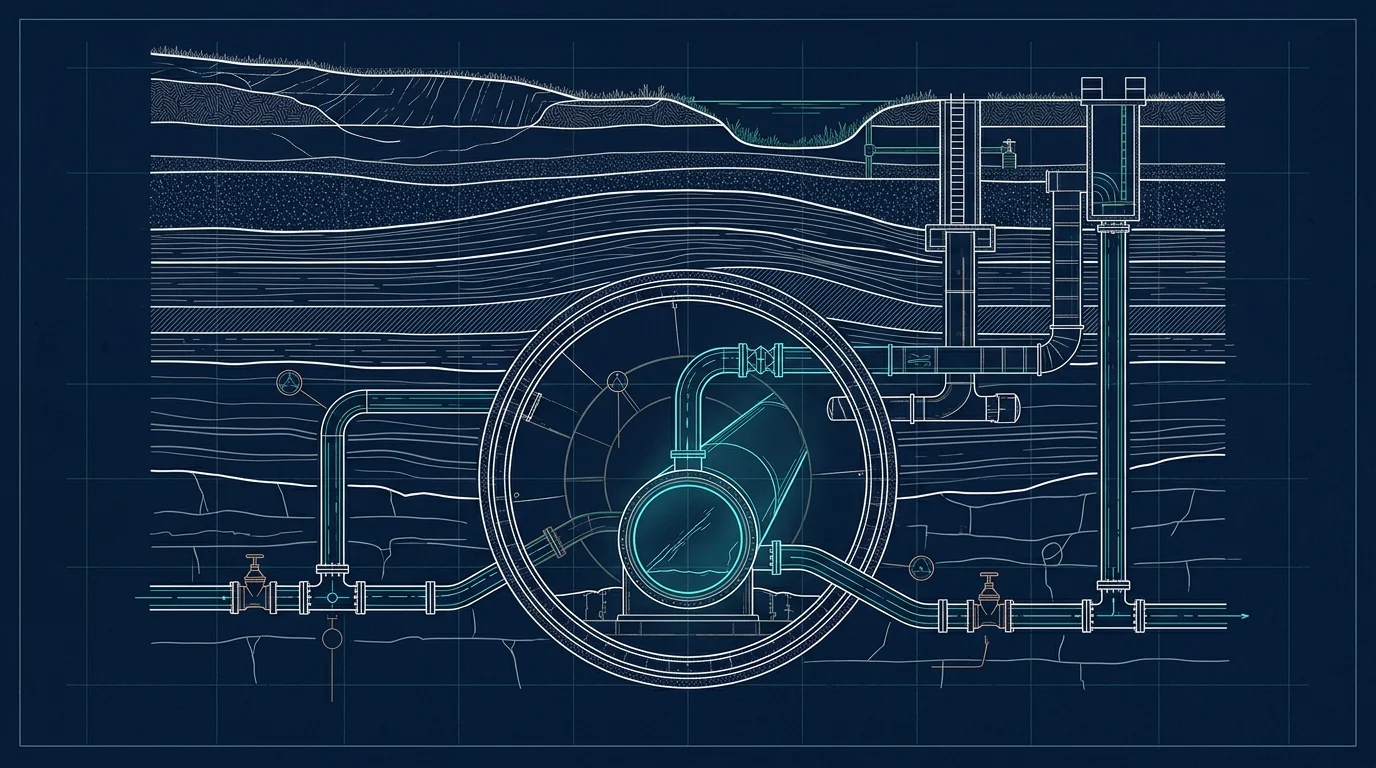
Hanover, New Hampshire is moving to overhaul its Water Reclamation Facility, kicking off the first phase of what is expected to be a multi-phase modernization of a plant that, like most American wastewater infrastructure, was built in the wake of the 1972 Clean Water Act and is now pushing the limits of its design lifespan.
The immediate pressure comes from tightening environmental standards. The Connecticut River, which runs along Hanover's western edge on the Vermont border, has been a focus of regional water quality campaigns, with federal and state regulators pushing municipalities to reduce nitrogen and phosphorus in their discharge. Hanover's facility, which serves a town of roughly 11,000 to 12,000 residents plus the Dartmouth College population, must keep pace with those stricter limits or risk running afoul of its discharge permit.
The town has engaged Wright-Pierce, a New England engineering firm with an extensive portfolio of municipal wastewater projects, to design the upgrades. Details on the full scope and cost of Phase I are available through Hanover's municipal bid portal, with additional project background on Wright-Pierce's project page.
The "Phase I" label matters for residents thinking about their tax bills. It signals that this project is the opening installment of a larger capital program, meaning total costs will grow substantially over time. That's a sensitive reality in Hanover, where Dartmouth College's tax-exempt campus covers a large share of the town's land, shrinking the property tax base that funds projects like this. New Hampshire's lack of a statewide income or sales tax puts the full weight of municipal infrastructure spending on local property owners.
Federal funding could soften the blow. The 2021 Bipartisan Infrastructure Law directed roughly $11.7 billion into clean water state revolving fund programs nationally, with New Hampshire receiving tens of millions in additional aid. Those funds are designed specifically to help smaller communities tackle expensive upgrades they couldn't easily finance on their own.
Hanover operates under a town meeting form of government, meaning voters will likely have the final say on major appropriations tied to later phases. With a college-town population that tends to follow environmental issues closely, the water quality case for the upgrades may be an easier sell than the price tag.