A Georgia water utility is moving to remove toxic PFAS compounds from its drinking water supply, hiring engineers and contractors under an approach designed to compress the timeline on one of the most technically complex upgrades local water systems have faced in decades.
The project targets per- and polyfluoroalkyl substances, the synthetic compounds found in everything from nonstick cookware to firefighting foam that accumulate in the environment and the human body and have been linked to cancer, thyroid disease and immune suppression. In April 2024, the EPA finalized the first enforceable federal drinking water limits for PFAS, setting a maximum of 4 parts per trillion for the two most common compounds, PFOA and PFOS. Utilities nationwide have until 2031 to comply.
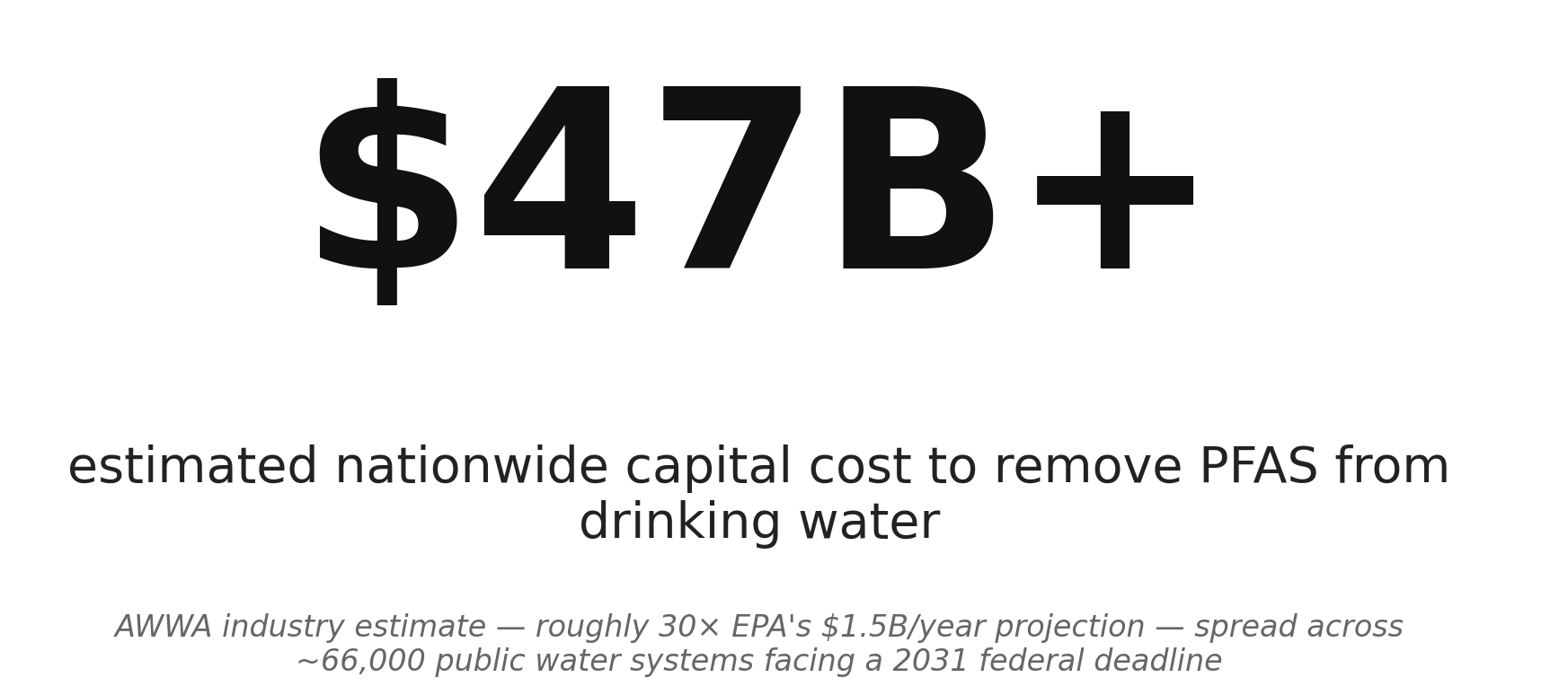
The scale of the challenge is enormous. Roughly 66,000 public water systems across the country are affected, and industry estimates put the total capital cost of compliance above $47 billion. Settlements from 3M ($10.3 billion in 2023) and DuPont and its spinoffs ($1.185 billion) are now flowing to water systems to help cover those costs, but utilities still face urgent decisions about which treatment technology to deploy and how to get it built on time.
Source: NationGraph.
Georgia sits squarely in the problem. The state's northwest corridor, centered on Dalton, is home to the U.S. carpet manufacturing industry, which for decades used PFAS in stain-resistant treatments and discharged into the Conasauga and Coosa river systems. Downstream communities including Rome have sued carpet manufacturers and 3M over drinking water contamination and won settlements. PFAS from military firefighting foam has also turned up near Robins Air Force Base, Fort Moore and Moody Air Force Base.
To get the treatment upgrades built quickly and keep costs from spiraling, the utility is using a Construction Manager at Risk delivery model, a project posted to Georgia's state procurement portal shows. Under that approach, the contractor comes on board during the design phase rather than after plans are complete, helping shape cost and schedule decisions before they harden. Georgia authorized the method for local water projects in recent years, and this effort is among the state's early large-scale applications for a PFAS-driven upgrade.
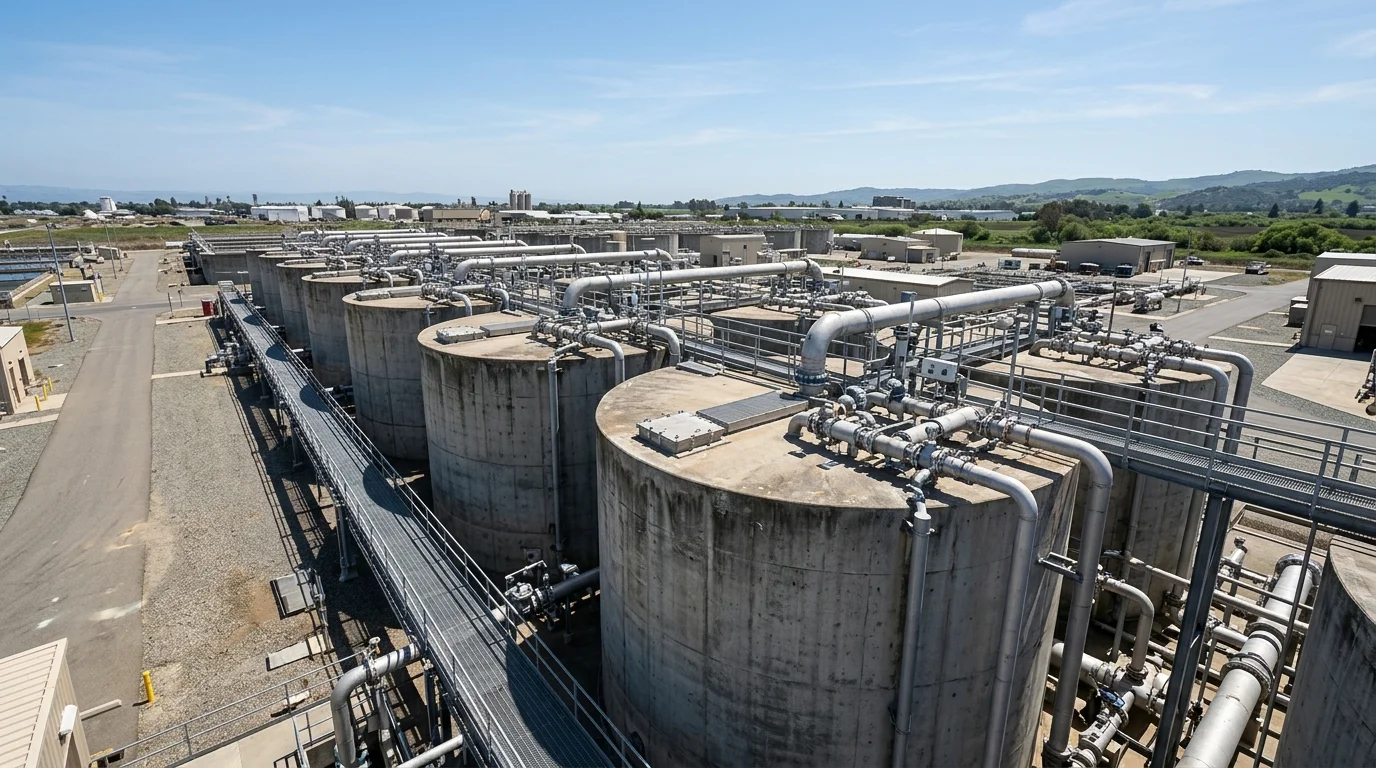
The specific utility and dollar amount were not listed in the record, but the project is being handled through Georgia's central state procurement system. Treatment options for PFAS removal typically include granular activated carbon filters, ion exchange resins or reverse osmosis systems, each carrying different cost and operational tradeoffs.
With federal monitoring requirements already in effect and the 2031 compliance deadline approaching, utilities that haven't yet locked in a construction path are running out of time to start.